
Nature and Bush Walks in East Africa
Nature and Bush Walks in East Africa: Complete Guide to the Best Walking Safaris and Scenic Trails
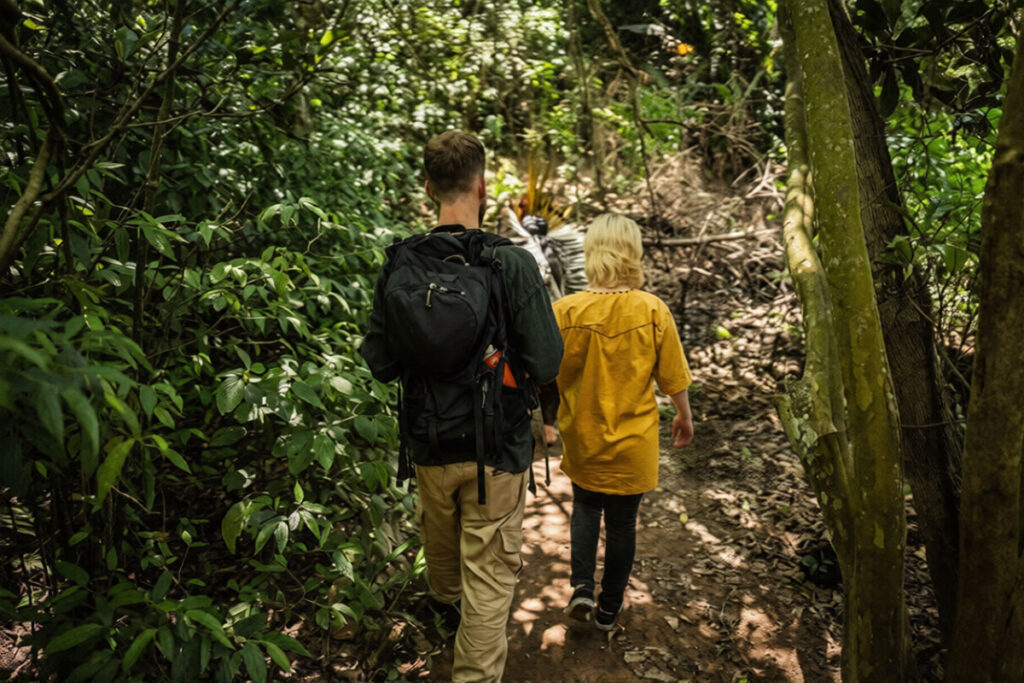
Nature and bush walks in East Africa offer a more intimate and immersive way to experience the region’s landscapes, wildlife and cultures. Unlike traditional vehicle safaris, these guided walks allow visitors to slow down, engage with the environment at ground level and appreciate the finer details of nature, from bird calls and medicinal plants to animal tracks and local traditions. Whether you are exploring dense forests, open savannahs, crater rims or mountain trails, nature walks in East Africa create a rewarding connection with the natural world.
Across Uganda, Kenya, Tanzania and Rwanda, nature and bush walks can be enjoyed in national parks, forest reserves, community areas and scenic mountain regions. They are ideal for travelers who want a deeper understanding of ecosystems, a more active safari experience and meaningful encounters with local guides and communities. From photography and bird watching to cultural immersion and conservation learning, these walks add depth and variety to any East African safari.
Why Nature and Bush Walks in East Africa Are Worth Experiencing
Nature walks in East Africa offer a completely different perspective from game drives. Instead of observing landscapes from inside a safari vehicle, visitors walk through them, listening to birds, noticing plants, following trails and learning how wildlife and communities interact with the environment. This makes the experience more personal, educational and engaging.
These walks are also incredibly diverse. Some focus on forest exploration, others on wildlife tracking, waterfalls, mountains, community life or birds. In many destinations, trained local guides share stories, traditions and practical knowledge that turn a simple walk into a rich cultural and ecological experience. For travelers who enjoy active adventures and authentic experiences, bush and nature walks are one of the most rewarding additions to an East African safari.
Cultural Immersion Through Nature Walks
One of the most enriching aspects of nature and bush walks in East Africa is the opportunity to connect with local communities and learn about traditions that have been preserved over generations. Guided walks often go beyond wildlife viewing and introduce visitors to the people who live near forests, parks, lakes and mountains.
Traditional Healers and Medicinal Plants
On some guided walks, visitors can learn how traditional healers identify, gather and use medicinal plants found in forests and natural landscapes. These experiences provide insight into indigenous knowledge systems and demonstrate how local communities have long depended on plants for healing and well-being.
Artisans and Craft Traditions
Nature walks that include cultural interaction may also introduce visitors to local artisans and craftsmen. Guides and community members explain how tools, jewelry, baskets and other useful items are made from natural materials, showing the creativity and resourcefulness of East African communities.
Agricultural Practices and Daily Life
In some destinations, nature walks extend into farming communities where visitors can learn about local agriculture, livestock keeping and sustainable resource management. These walks help connect the natural environment with everyday life and offer a broader understanding of how people and landscapes coexist.
Wildlife and Natural Landscapes on Foot
East Africa’s landscapes are incredibly varied and walking through them reveals details that are often missed during faster-moving activities. Dense forests, crater rims, gorges, mountains, grasslands, wetlands and lakeshores all provide different walking experiences. Along the way, visitors may observe birds, primates, antelopes, insects, plants and beautiful scenery in a more intimate and quiet setting.
Walking safaris also encourage a stronger appreciation of habitats and ecosystems. Whether you are in a rainforest listening to primates, on a savannah trail looking for wildlife signs or on a crater rim enjoying sweeping views, the experience feels more immersive and memorable because you are part of the landscape rather than simply passing through it.
Unique Experiences During Nature and Bush Walks
Bird Watching
East Africa is one of the best birding regions in the world and nature walks often provide excellent bird watching opportunities. Moving slowly with a guide makes it easier to identify calls, observe behavior and spot species hidden in forests, wetlands and open country. For bird enthusiasts, walking safaris can be one of the most rewarding ways to explore the region.
Photography
The slower pace of a nature walk is ideal for photography. Visitors have more time to compose shots, notice smaller details and capture everything from wide landscapes and waterfalls to flowers, insects, birds and community life. Nature walks create excellent conditions for both wildlife photography and scenic storytelling.
Community Engagement
Many walks include time in or near local villages, allowing travelers to engage with community members and learn about their daily lives, traditions and environment. This adds a personal and human dimension to the safari experience and helps support responsible tourism.
Nature Walks in Uganda
Nature walks in Uganda are highly varied and can be tailored to suit different interests, from waterfalls and forests to community visits and wildlife trails. They can easily be added to a wider safari itinerary and are especially rewarding for travelers who want a break from long drives or who want to explore Uganda’s landscapes more closely.
Murchison Falls National Park
Murchison Falls National Park offers one of the most memorable nature walk experiences in Uganda. The park is famous for Murchison Falls, where the Nile River forces its way through a narrow gorge and plunges 7 meters downward in a dramatic display of power. Visitors can enjoy boat cruises to the falls at 9:00 AM and 2:00 PM, with each ride costing $30 per person.
After the boat trip, visitors can take a guided hike of about one hour to the top of the falls. This walk leads to impressive viewpoints where you can witness the Devil’s Cauldron and enjoy panoramic views over the river and surrounding landscape. It is one of the best combinations of walking, scenery and photography in Uganda.
Bwindi Impenetrable National Park
Bwindi Impenetrable National Park is best known for mountain gorillas but it is also an excellent destination for forest nature walks. The park’s dense forest, waterfalls, rivers and rich biodiversity make every walk feel adventurous and rewarding.
Visitors can explore areas with beautiful waterfalls such as Bayende in the Rushaga sector and Muyanga Waterfall in Buhoma. Rivers like River Ivi in Buhoma and River Kashasha, which flows from Buhoma to Nkuringo, add to the beauty of the forest and help create the park’s powerful cascades. These walks are ideal for travelers who want to experience Bwindi beyond gorilla trekking.
Kidepo Valley National Park
Kidepo Valley National Park offers one of the most distinctive walking experiences in Uganda because it combines wildlife, scenery and cultural encounters. Guided by park rangers, visitors can enjoy both short and long walks inside the park or in surrounding areas during the day.
Within the park, walks follow routes such as Apoka, Kidepo and Narus, where visitors can observe wildlife, tracks and animal behavior at close range. Outside the park, nature walks can include visits to the Ik community and Karamojong people, offering a cultural dimension to the safari. These walks generally last about two hours and are especially rewarding for birdwatchers and travelers interested in both landscape and local culture.
Queen Elizabeth National Park
Queen Elizabeth National Park is a versatile destination for nature walks, combining primates, wetlands and community experiences. In Maramagambo Forest and Kyambura Gorge, visitors can take part in chimpanzee tracking, with additional chances to see black-and-white colobus monkeys, red-tailed monkeys, L’Hoest’s monkeys, baboons, blue monkeys and mangabeys.
Chimpanzee trekking takes place twice daily in Maramagambo Forest and Kyambura Gorge, starting at 8 AM and 3 PM and permits cost $70. Along Lake George, guided walks provide opportunities to look for sitatunga antelopes and to learn about the traditional salt-mining communities around Lake Katwe. This mix of nature and culture makes Queen Elizabeth one of Uganda’s most complete walking safari destinations.
Lake Mburo National Park
Lake Mburo National Park is one of the best parks in Uganda for travelers who want to experience wildlife on foot. Guided day walks inside and outside the park give visitors the chance to step out of the vehicle and explore the landscape more closely.
Walks often focus on the Rubanga Forest Trail and surrounding areas, where visitors can observe animal behavior, enjoy birdwatching and appreciate the park’s varied scenery. Lasting about two hours, these walks are a refreshing and memorable way to experience Lake Mburo beyond traditional game drives.
Nature Walks in Tanzania
Nature walks in Tanzania reveal a more intimate side of a country that is often associated with large-scale wildlife safaris. Beyond its famous game drive destinations, Tanzania offers forest walks, mountain trails, crater viewpoints and lakeside boardwalks that showcase its rich biodiversity and scenic beauty.
Serengeti National Park
Serengeti National Park gives visitors the chance to step out of the safari vehicle and experience the wilderness on foot in selected guided areas. Accompanied by park rangers, these walks allow travelers to appreciate the natural beauty, vegetation and smaller details of one of Africa’s most iconic parks in a more personal way.
Walking in the Serengeti adds a different dimension to a safari by focusing not only on large mammals but also on tracks, sounds, habitats and the broader ecosystem that supports the park’s famous wildlife.
Lake Manyara National Park
Lake Manyara National Park offers excellent nature walk opportunities that complement vehicle safaris. The Hippo Pool View Point provides beautiful views of marshland, waterfowls and the Rift Valley wall, making it a favorite for visitors who enjoy photography and scenic observation.
The boardwalk at Maji Moto Kubwa hot springs and along the lakeshore provides a peaceful and enjoyable walking experience through some of the park’s most picturesque settings. These walks are ideal for travelers who want to slow down and take in the details of the landscape.
Exploring Mount Kilimanjaro
Mount Kilimanjaro is not only Africa’s highest mountain but also one of Tanzania’s most impressive destinations for scenic walking and hiking. The mountain has 8 peaks, each with distinct features and dramatic scenery.
Kibo Peak is the most famous and remains snow-capped year-round despite being close to the Equator. At 5,895 meters, reaching its summit is one of Africa’s greatest trekking achievements. Mawenzi Peak is known for its difficulty and requires technical climbing skills and specialized equipment. Shira Peak lies on an open grassland plateau and is attractive for day excursions, with wildlife such as buffaloes, elephants, elands and monkeys sometimes found there. The plateau also includes notable landmarks such as Cathedral and Needle.
Nature Walks in Kenya
Nature walks in Kenya combine scenic landscapes, wildlife, volcanic formations and mountain trails. They offer an excellent balance of adventure and accessibility, making Kenya a strong destination for travelers who want active outdoor experiences alongside classic safaris.
Mount Elgon
Mount Elgon, which lies along the Kenya-Uganda border, offers a rewarding nature walk and hiking experience for travelers who want mountain scenery without the demands of a highly technical climb. Its moderate altitude and scenic environment make it suitable for a wide range of hikers.
Highlights include the world’s largest caldera, natural hot springs and dramatic gorges such as Suam and Simu. These features create a visually rich landscape that makes Mount Elgon one of Kenya’s most appealing walking destinations.
Menengai Crater
Menengai Crater, located near Nakuru town, is Africa’s second-largest caldera and one of Kenya’s most accessible hiking destinations. The walk to the crater rim takes about 1 to 2 hours, making it suitable for many fitness levels.
From the rim, visitors can enjoy sweeping views of the surrounding landscape, including Lake Nakuru. The combination of volcanic scenery and relatively easy access makes Menengai Crater a popular option for scenic walks.
Hell’s Gate National Park
Hell’s Gate National Park is one of Kenya’s most distinctive nature walk destinations because it combines dramatic geology with wildlife viewing. Located in the Great Rift Valley, the park is known for its towering cliffs, hot springs and adventurous outdoor activities.
Visitors can explore Ol Njorowa Gorge, enjoy scenic walks past rock formations and even choose cycling safaris among giraffes, zebras and other wildlife. This mix of walking, scenery and active exploration makes Hell’s Gate especially appealing to adventurous travelers.
Nairobi National Park
Nairobi National Park offers a rare urban nature walk experience where visitors can enjoy wildlife and open landscapes close to the city. Guided nature walks lasting around two hours provide a refreshing escape into nature without leaving Nairobi.
The park allows visitors to experience wildlife such as giraffes, zebras and other animals with the city skyline in the background, creating a safari atmosphere unlike anywhere else in East Africa.
Nature Walks in Rwanda
Nature walks in Rwanda are among the most scenic and enriching in East Africa, thanks to the country’s rolling hills, dense forests and strong conservation focus. These walks combine biodiversity, birding, cultural encounters and in some cases, historical and conservation significance.
Nyungwe National Park
Nyungwe National Park is one of Rwanda’s finest nature walk destinations and a standout rainforest experience in East Africa. It offers a range of trails suitable for different interests and fitness levels, making it ideal for both casual walkers and more dedicated hikers.
The Canopy Walk is one of the park’s most famous attractions, featuring a 60-meter-high suspension bridge with panoramic views over the rainforest canopy. The Muzimu Trail offers high-altitude forest scenery and opportunities to see bird species such as the rare Rwenzori Turaco. The Rukuzi Trail is especially rewarding for primate enthusiasts, while the Isumo Trail leads to the beautiful Isumo Waterfall and provides a peaceful, scenic forest hike.
Volcanoes National Park
Volcanoes National Park is one of Rwanda’s premier destinations for nature walks, especially for travelers interested in conservation history and montane landscapes. Located in the Virunga range, the park is internationally known for mountain gorillas but it also offers trails with strong educational and historical value.
The Dian Fossey Tomb Trail leads visitors to the final resting place of Dian Fossey, whose work was central to mountain gorilla conservation. Along the same route, visitors can also see the Gorilla Graveyard, where approximately 20 gorillas lost during periods of genocide and poaching are commemorated. These walks are meaningful for visitors who want to combine scenic hiking with a deeper understanding of conservation efforts in Rwanda.
Additional Highlights in Rwanda
Nature walks in Rwanda are often enriched by cultural experiences, bird watching and the country’s beautiful landscapes. Many guided walks include time in local communities, where visitors can learn about traditional crafts, daily life and local customs.
Rwanda is also home to over 700 bird species, making both Nyungwe and Volcanoes National Parks excellent birding destinations. Combined with the country’s terraced hills, forests and volcanic scenery, these features make Rwanda a remarkable place for walking safaris.
Other Regions for Nature Walks in East Africa
Beyond the best-known safari countries, other parts of East Africa also offer unique walking experiences. Burundi features lush hills and forested landscapes, while South Sudan offers wilderness areas that remain largely unexplored by mainstream tourism. These lesser-known regions can be especially appealing for travelers seeking unusual and less crowded experiences.
Best Time for Nature Walks in East Africa
The best time for nature walks in East Africa depends on the season and your interests. The dry seasons from December to February and June to August are usually the most favorable because trails are less slippery and the weather is generally more comfortable for walking. These months also tend to offer excellent photography conditions.
For birdwatching, the period from March to September is especially rewarding, while migrant birdwatching is best from November to April. The wet seasons in April and November bring higher rainfall, which can make some walks more challenging but nature walks remain possible year-round and the landscapes are particularly green and vibrant during these months.
Conservation and Education
Nature and bush walks in East Africa are not only enjoyable but also educational. Guides often explain the importance of conservation, the challenges facing local ecosystems and the measures being taken to protect wildlife and habitats. Visitors learn about species interactions, forest health, local conservation efforts and how responsible tourism can contribute to long-term protection.
This educational component makes nature walks especially valuable for travelers who want more than sightseeing. By understanding the ecosystems they are walking through, visitors leave with a deeper respect for the landscapes and wildlife of East Africa.
Practical Tips for Nature and Bush Walks in East Africa
Prepare Properly
Wear comfortable walking shoes suitable for uneven ground and carry essentials such as a hat, sunscreen, insect repellent and a reusable water bottle. Depending on the area, a light rain jacket can also be useful, especially in forest environments.
Respect the Environment
Always follow the guidance of your guide, avoid disturbing wildlife and do not pick plants or leave litter behind. Respecting the natural environment helps preserve the experience for both wildlife and future visitors.
Engage With Your Guide
Local guides bring tremendous value to nature walks. Asking questions and interacting with them can greatly enrich the experience, as they often share knowledge that visitors would never notice on their own.
Who Should Consider Nature and Bush Walks in East Africa?
Nature and bush walks are ideal for travelers who want a slower, more immersive safari experience. They are particularly suitable for nature lovers, photographers, birdwatchers, hikers and visitors interested in culture and conservation. Because walks vary in length and difficulty, they can often be adapted to suit different fitness levels and interests.
They are also an excellent addition for travelers who have already planned gorilla trekking, game drives or mountain hiking and want to add variety to their itinerary with a more personal and educational activity.
Combine Nature Walks with Other East African Safari Experiences
Nature walks combine very well with other safari activities such as gorilla trekking, chimpanzee tracking, bird watching, wildlife game drives, mountain hiking and cultural visits. Adding a guided walk to your itinerary helps create a more balanced safari by mixing vehicle-based exploration with time on foot.
This combination allows travelers to experience East Africa from multiple perspectives and gain a fuller appreciation of its wildlife, landscapes and local communities.
Plan Your Nature and Bush Walk Adventure in East Africa
Planning ahead helps you choose the right destinations, trails and seasons for your interests. Whether you want waterfall hikes in Uganda, crater walks in Kenya, rainforest trails in Rwanda or scenic boardwalks in Tanzania, East Africa offers a rich variety of walking experiences that can be tailored to different travel styles.
With the right guide, proper preparation and an open sense of discovery, nature and bush walks in East Africa become one of the most memorable ways to explore the region’s extraordinary beauty.