
Chimpanzee Trekking in East Africa
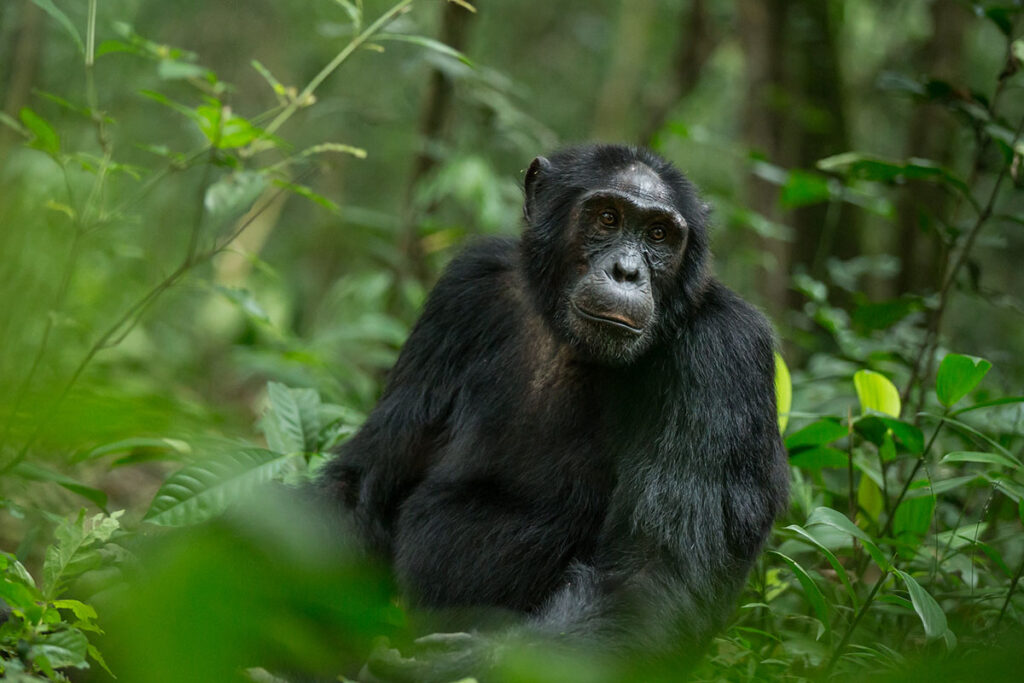
Chimpanzee Trekking in East Africa: Complete Guide to Chimpanzee Tracking Safaris in Uganda, Tanzania and Rwanda
Chimpanzee trekking in East Africa is one of the most exciting and immersive wildlife experiences, offering travelers a rare opportunity to observe our closest relatives in their natural habitat. This activity, also known as chimpanzee tracking or primate walks, is especially popular in Uganda but is also available in Tanzania and Rwanda. Visitors can enjoy close encounters with chimpanzees as they feed, groom, communicate and move through the forest, creating a truly unforgettable safari experience.
East Africa is one of the best regions in the world for chimpanzee tracking due to its rich biodiversity, well-protected forests and experienced guides. Whether you are looking for a short trek or a full-day primate experience, the region offers a wide range of options to suit different travel styles and budgets.
Why Chimpanzee Trekking in East Africa Is a Must-Do Experience
Chimpanzee trekking stands out as one of the most rewarding wildlife activities because it offers a deeper and more personal connection with nature. Unlike traditional game drives, this experience involves walking through forests, listening to the sounds of the jungle and actively searching for chimpanzees alongside expert guides.
Chimpanzees share approximately 98.7% of their DNA with humans, making their behavior incredibly fascinating to observe. Visitors often witness complex social interactions, tool usage, communication through vocalizations and playful behavior among group members. These encounters provide not only excitement but also insight into the intelligence and adaptability of these primates.
In addition to chimpanzees, trekking experiences often include sightings of other primates, birds and forest wildlife, making the journey through the forest just as rewarding as the final encounter.
Where to Go Chimpanzee Trekking in East Africa
Chimpanzee trekking in East Africa is mainly concentrated in Uganda, Tanzania and Rwanda. Each country offers a distinct experience, from easily accessible forests with high chances of sightings to remote wilderness areas with fewer visitors and more exclusive encounters.
Chimpanzee Trekking in Uganda: The Leading Destination
Uganda is widely regarded as the best destination for chimpanzee trekking in East Africa, thanks to its high population of chimpanzees, well-developed tourism infrastructure and variety of trekking locations. The country offers both standard tracking and extended habituation experiences.
Kibale Forest National Park
Kibale Forest National Park is the premier chimpanzee trekking destination in East Africa and is often referred to as the primate capital of the world. The park is home to approximately 1,450 chimpanzees, with nearly half of them habituated for tourism.
The dense tropical forest provides a perfect habitat for chimpanzees and supports a wide range of other primates, including colobus monkeys, baboons and mangabeys. The high success rate of sightings makes Kibale one of the most reliable and rewarding destinations for chimpanzee tracking.
Budongo Forest Reserve
Budongo Forest Reserve, located near Murchison Falls National Park, is known for its rich biodiversity and tall mahogany trees. It offers a quieter and less crowded chimpanzee trekking experience while still providing excellent chances of sightings.
The forest’s well-maintained trails and scenic environment make it an ideal destination for travelers seeking a more relaxed trekking experience.
Kyambura Gorge
Kyambura Gorge, located within Queen Elizabeth National Park, offers a unique and dramatic setting for chimpanzee trekking. The gorge cuts through the savannah, creating a lush forested valley that contrasts sharply with the surrounding plains.
Although chimpanzee sightings can be more challenging here, the scenic beauty and uniqueness of the location make it a memorable experience.
Kalinzu Forest Reserve
Kalinzu Forest Reserve provides a budget-friendly chimpanzee trekking option with good chances of sightings. The forest is rich in birdlife and other primates, making it a great choice for travelers interested in both birding and chimpanzee tracking.
Ngamba Island Chimpanzee Sanctuary
Ngamba Island offers a conservation-focused experience where visitors can observe rescued chimpanzees in a protected environment. Located on Lake Victoria, the sanctuary provides insight into chimpanzee rehabilitation and conservation efforts.
Chimpanzee Trekking in Tanzania: Remote and Exclusive Experiences
Tanzania offers a more remote and exclusive chimpanzee trekking experience, mainly in its western regions. These destinations are less visited compared to Uganda, providing a more intimate and untouched wilderness experience.
Mahale Mountains National Park
Mahale Mountains National Park is one of the best places in Africa to see chimpanzees in the wild. Located along the shores of Lake Tanganyika, the park combines forested mountains with crystal-clear waters, creating a stunning natural setting.
Chimpanzee trekking here involves hiking through forest trails before encountering habituated chimpanzee groups. The experience is highly immersive and often includes extended observation time due to the remote nature of the park.
Gombe Stream National Park
Gombe Stream National Park is famous for its role in chimpanzee research, particularly through the work of Jane Goodall. Despite its small size, the park offers exceptional chimpanzee trekking experiences.
Visitors trek through forested hills and valleys to locate chimpanzees, gaining insight into their behavior and social structures. The intimate setting allows for close observation and a deeper understanding of these remarkable primates.
Chimpanzee Trekking in Rwanda: Nyungwe Forest Experience
Rwanda offers a unique chimpanzee trekking experience in Nyungwe Forest National Park, one of Africa’s oldest and most biodiverse rainforests. While Rwanda is best known for gorilla trekking, Nyungwe provides excellent opportunities to track chimpanzees in a pristine forest environment.
Nyungwe Forest National Park
Nyungwe Forest is home to a significant population of chimpanzees and several other primate species. The trekking experience begins early in the morning and involves following experienced guides through dense forest trails.
Chimpanzees in Nyungwe are highly mobile, making the trek more active and adventurous. In addition to chimpanzees, visitors may encounter colobus monkeys, other primates and a wide variety of bird species, making it a rich and diverse wildlife experience.
The Chimpanzee Habituation Experience
The Chimpanzee Habituation Experience in Kibale Forest National Park offers a deeper level of interaction compared to standard trekking. Visitors spend an entire day with researchers, observing chimpanzees as they become accustomed to human presence.
This experience begins early in the morning, typically between 05:30 and 07:00 and includes observing chimpanzees as they wake, feed, move through the forest and build nests in the evening. It is ideal for travelers who want a more detailed understanding of chimpanzee behavior.
What to Expect During Chimpanzee Trekking
Chimpanzee trekking begins with a briefing at the park headquarters, where visitors receive guidelines and are assigned to small groups led by experienced ranger guides. The trek can last between 2 to 3 hours, depending on the location of the chimpanzees.
Once the chimpanzees are located, visitors are allowed one hour to observe them. During this time, you can watch them interact, communicate and move through the forest canopy, providing an unforgettable wildlife experience.
How Chimpanzee Trekking Works
Understanding how chimpanzee trekking in East Africa works helps you prepare for a smooth and enjoyable experience. The process begins with securing a chimpanzee trekking permit in advance, especially during peak travel seasons when availability is limited.
On the day of trekking, visitors arrive at the park headquarters early in the morning for registration and a briefing conducted by park rangers. During this session, you will learn about chimpanzee behavior, safety guidelines and what to expect during the trek.
Participants are then divided into small groups, usually limited to six people per group and assigned an experienced ranger guide. The trek begins as you follow forest trails in search of chimpanzees, with the duration typically ranging from 2 to 3 hours depending on their location.
Once the chimpanzees are found, visitors are allowed a maximum of one hour to observe them before returning.
Chimpanzee Trekking Difficulty and Fitness Level
Chimpanzee trekking in East Africa is considered a moderately challenging activity that requires a reasonable level of physical fitness. While the experience is accessible to most travelers, it involves walking through natural forest environments where terrain conditions can vary significantly.
Trekkers may encounter flat forest trails but also steep, muddy and sometimes slippery sections, especially during or after rainfall. The duration of the trek typically ranges from 2 to 3 hours but this can vary depending on the location of the chimpanzees on that particular day. Because chimpanzees move frequently through the forest, flexibility, patience and endurance are essential.
With proper preparation, suitable gear and guidance from experienced ranger guides, most travelers can comfortably complete the trek. Taking your time and maintaining a steady pace ensures a safe and enjoyable experience.
Best Time for Chimpanzee Trekking in East Africa
The best time for chimpanzee trekking in East Africa is during the dry seasons, which occur from December to February and June to August. During these months, forest trails are generally drier and easier to navigate, making trekking more comfortable and less physically demanding.
Dry conditions also improve visibility, making it easier to observe chimpanzees and capture clear photographs. Although trekking is available year-round, the rainy seasons can make trails more challenging due to mud and dense vegetation. However, these months also offer lush, green scenery and fewer crowds, which some travelers may prefer.
Chimpanzee Trekking Permit Costs in East Africa
The cost of chimpanzee trekking permits in East Africa varies depending on the country, location and type of experience. Uganda, Rwanda and Tanzania each offer different pricing structures based on accessibility, conservation policies and overall experience.
Uganda Chimpanzee Trekking Permit Costs
Uganda offers the most diverse and flexible pricing options for chimpanzee trekking, making it suitable for different budgets.
In Kibale Forest National Park, a standard chimpanzee trekking permit costs $250 per person, while the more immersive Chimpanzee Habituation Experience costs $300 per person, allowing extended time with the chimpanzees.
For travelers seeking more affordable options, Budongo Forest and Kyambura Gorge permits cost $130 per person, while Kalinzu Forest Reserve offers permits at $100 per person. These alternatives provide excellent chimpanzee tracking experiences at a lower cost while still maintaining good chances of sightings.
Rwanda Chimpanzee Trekking Permit Costs
In Rwanda, chimpanzee trekking is mainly conducted in Nyungwe Forest National Park. The permit cost is approximately $250 per person, similar to Kibale Forest in Uganda.
Rwanda’s pricing reflects its well-developed tourism infrastructure, conservation efforts and ease of access. Although slightly higher in overall travel cost, the experience is highly organized and takes place in one of Africa’s oldest and most biodiverse rainforests.
Tanzania Chimpanzee Trekking Permit Costs
Tanzania offers a more exclusive and remote chimpanzee trekking experience in Mahale Mountains National Park and Gombe Stream National Park. Unlike Uganda and Rwanda, chimpanzee trekking in Tanzania is usually included as part of a full safari package rather than sold as a standalone permit.
Costs vary depending on accommodation and logistics but chimpanzee trekking is generally bundled within high-end safari experiences due to the remote locations of these parks. This makes Tanzania the most premium option, offering fewer crowds and a more intimate wilderness experience.
Rules and Regulations for Chimpanzee Trekking
To ensure the safety of both visitors and chimpanzees, strict guidelines must be followed during trekking activities. These rules are designed to protect chimpanzees from human diseases and minimize disturbance to their natural behavior.
- Maintain a minimum distance of 8 meters from chimpanzees at all times
- Only individuals aged 15 years and above are permitted to participate
- Avoid eating in the presence of chimpanzees
- Follow all instructions given by ranger guides
- Do not use flash photography
Adhering to these regulations ensures a respectful, safe and sustainable wildlife experience.
What to Pack for Chimpanzee Trekking
Proper preparation is essential for a comfortable and successful chimpanzee trekking safari. Packing the right gear helps you navigate forest terrain and adapt to changing weather conditions.
- Long-sleeved clothing to protect against insects and vegetation
- Sturdy hiking boots with good grip for uneven terrain
- A lightweight rain jacket for unpredictable weather
- Gloves and insect repellent for protection
- Drinking water and snacks to maintain energy levels
- A camera and binoculars for enhanced wildlife viewing
Frequently Asked Questions About Chimpanzee Trekking
How long does chimpanzee trekking take?
The trekking portion typically lasts between 2 to 3 hours, depending on the location of the chimpanzees. Once they are located, visitors are allowed to spend one hour observing them.
Is chimpanzee trekking safe?
Yes, chimpanzee trekking is safe when conducted under the guidance of trained ranger guides and when all rules and safety guidelines are followed.
What is the age limit for chimpanzee trekking?
The minimum age for participating in chimpanzee trekking is 15 years, as set by wildlife authorities to ensure safety and responsible tourism.
Which country is best for chimpanzee trekking?
Uganda offers the highest chances of sightings due to its large population of habituated chimpanzees, while Tanzania and Rwanda provide more remote and exclusive trekking experiences.
Who Should Go Chimpanzee Trekking?
Chimpanzee trekking in East Africa is ideal for nature lovers, wildlife enthusiasts, photographers and adventure travelers seeking a more active and immersive safari experience. It is best suited for individuals with moderate fitness levels who are comfortable walking through forest terrain.
This activity is also perfect for travelers interested in primates, conservation and learning about animal behavior in a natural setting.
Combine Chimpanzee Trekking with Other Safari Experiences
Chimpanzee trekking can easily be combined with other safari activities to create a well-rounded itinerary. Popular combinations include gorilla trekking in Bwindi Impenetrable National Park, wildlife game drives in Queen Elizabeth or Murchison Falls National Parks, bird watching in key ecosystems and cultural experiences across East Africa.
This combination allows travelers to explore a wide range of landscapes and wildlife, making their safari more diverse and rewarding.
Plan Your Chimpanzee Trekking Safari
Planning your chimpanzee trekking safari in East Africa in advance ensures a smooth and memorable experience. Securing permits early, choosing the right destination and preparing for the trek are key steps in creating a successful itinerary.
With proper planning and expert guidance, chimpanzee trekking becomes a highlight of any East African safari, offering unforgettable encounters and a deeper appreciation of the region’s rich biodiversity.