
Lake Manyara National Park
Lake Manyara National Park: Complete Guide to Wildlife, Safaris, Activities and Travel Tips
Lake Manyara National Park is one of Tanzania’s most scenic and diverse safari destinations, offering a remarkable mix of wildlife, landscapes and immersive safari experiences. Located beneath the dramatic Great Rift Valley escarpment and strategically positioned along the northern safari circuit, the park is best known for its famous tree-climbing lions, abundant birdlife and compact yet incredibly rich ecosystem.
Despite its relatively small size, Lake Manyara National Park packs an impressive variety of habitats into one area, including groundwater forests, open grasslands, acacia woodlands, hot springs and the expansive alkaline lake. This diversity supports a wide range of wildlife and makes the park an excellent choice for travelers seeking a rewarding safari experience within a short time frame.
What Makes Lake Manyara National Park Unique
Lake Manyara stands out among Tanzania’s national parks due to its exceptional ecological diversity and accessibility. Within just a few hours, visitors can experience multiple ecosystems, each supporting different species of wildlife and birdlife.
The park’s most iconic feature is its population of tree-climbing lions, a rare behavior observed in only a few locations across Africa. These lions are often seen resting on acacia branches, providing a unique and memorable wildlife sighting.
In addition to its wildlife, the park’s setting at the base of the Rift Valley escarpment creates a stunning natural backdrop. Towering cliffs, lush forests and the shimmering lake combine to create one of the most picturesque landscapes in East Africa.
Why Visit Lake Manyara National Park?
Lake Manyara National Park is ideal for travelers looking for a compact yet highly rewarding safari destination. It offers a balanced combination of wildlife viewing, birdwatching, scenic beauty and diverse activities, all within a relatively small area.
Its accessibility makes it perfect for short safaris, day trips or as part of a longer itinerary through northern Tanzania. Whether you are a first-time visitor or an experienced safari traveler, Lake Manyara provides a rich and varied experience without the need for long travel distances.
The park also serves as an excellent introduction to Tanzania’s wildlife before continuing to other destinations such as Ngorongoro Crater or Serengeti National Park.
Wildlife in Lake Manyara National Park
Lake Manyara National Park is home to a wide variety of wildlife species, making it a productive destination for game viewing. The park is particularly famous for its tree-climbing lions, which are often seen resting on tree branches during the heat of the day.
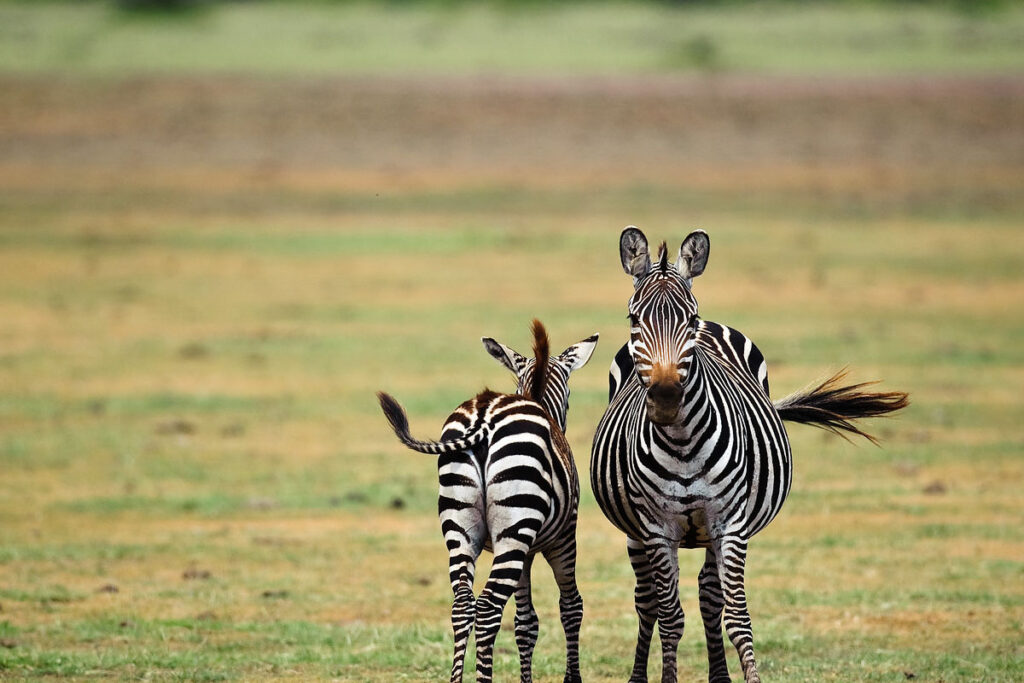
Large mammals such as elephants and buffaloes are commonly seen, often moving through the forest or grazing near water sources. Visitors may also encounter giraffes, zebras, wildebeests and various antelope species including impalas and dik-diks.
Predators such as leopards and hyenas are present in the park, although they may require patience and a keen eye to spot. Hippos are frequently seen in pools and along the lakeshore, while monkeys and baboons are abundant in the forested areas.
The park’s compact nature allows for efficient game drives, where multiple species can be observed within a short period, making it ideal for travelers with limited time.
Bird Watching in Lake Manyara National Park
With over 400 recorded bird species, Lake Manyara National Park is one of the best birdwatching destinations in East Africa. The park’s diverse habitats attract both resident and migratory birds, providing excellent birding opportunities throughout the year.
The lake itself is often covered with flocks of flamingoes, creating a striking pink hue across the water. Other water birds such as pelicans, cormorants and storks are commonly seen along the shoreline.
In the forest and woodland areas, visitors can spot a wide range of species, including hornbills, kingfishers and various raptors. During peak birding seasons, it is possible to see over 100 bird species in a single day, making the park a true paradise for bird enthusiasts.
Top Attractions in Lake Manyara National Park
Hippo Pool View Point
The Hippo Pool View Point is one of the most popular locations in the park, offering excellent views of hippos, water birds and other wildlife. It is a prime spot for observing animals as they gather near water sources and is ideal for photography.
From this viewpoint, visitors can also enjoy panoramic views of the lake and the surrounding landscape, making it a highlight of any safari.
Boardwalk at Maji Moto Kubwa
The wooden boardwalk at Maji Moto Kubwa provides a unique walking experience through the park’s hot springs and lakeshore areas. Stretching approximately 325 meters, the boardwalk allows visitors to explore the environment up close while staying above the ground.
This attraction is particularly popular for photography, offering stunning views of the landscape and opportunities to capture wildlife in a natural setting.
Top Activities in Lake Manyara National Park
Game Drives
Game drives are the main activity in Lake Manyara National Park and are conducted in the morning and afternoon. Morning drives typically start around 6:00 AM, while afternoon drives begin at approximately 1:00 PM.
These drives are conducted in open-roof 4×4 vehicles, providing excellent visibility for wildlife viewing and photography. Visitors can expect to see a wide range of animals, from large mammals to smaller species often missed in other parks.
Night Game Drives
Night game drives offer a completely different safari experience by focusing on nocturnal wildlife. These drives begin in the evening and require advance booking, as they are conducted with a ranger guide.
During night drives, visitors may encounter animals such as genets, civets, porcupines, bush babies and nocturnal birds like owls and nightjars. This activity provides a rare opportunity to see the park come alive after dark.
Walking Safaris
Walking safaris allow visitors to explore Lake Manyara on foot under the guidance of trained rangers. These walks typically last between 1 to 4 hours and follow designated trails such as the Msasa Trail and Lake Shore Trail.
This activity offers a more intimate experience, allowing visitors to observe plants, tracks and smaller wildlife while learning about the park’s ecosystem.
Canoeing
Canoeing on Lake Manyara offers a peaceful and unique way to experience the park. Visitors can glide across the water while observing animals such as elephants, buffaloes and hippos along the shoreline.
This activity depends on water levels and operates throughout the day, providing a relaxing alternative to traditional game drives.
Lake Manyara National Park Entrance Fees (2025–2026)
The cost of visiting Lake Manyara National Park is based on daily entrance fees set by the Tanzania National Parks Authority (TANAPA). These fees are charged per person per day and are valid for a period of 24 hours from the time of entry.
Park Entrance Fees (Per Person Per Day)
Foreign Non-Residents:
- Adults (16+ years): $59 per person per day
- Children (5–15 years): $18 per person per day
- Children under 5 years: Free
Foreign Residents (Expats):
- Adults: $30 per person per day
- Children: $9 per person per day
East African Citizens (EAC):
- Adults: 11,800 Tanzanian Shillings per person per day
- Children (5–15 years): 2,360 Tanzanian Shillings per person per day
- Children under 5 years: Free
These fees contribute directly to conservation efforts, park maintenance and the protection of wildlife and ecosystems within Lake Manyara National Park.
Additional Safari Costs and Fees
In addition to entrance fees, visitors should be aware of other potential costs depending on their itinerary and activities.
- Vehicle Entry Fees: Approximately $10–$20 per vehicle per day, depending on vehicle type
- Concession Fees (for accommodations inside the park): Around $40–$60 per person per night
- Night Game Drives: Approximately $50 per person
- Walking Safaris: Around $20–$25 per person
- Canoeing: Approximately $20 per person
Overall Safari Cost Considerations
The total cost of a Lake Manyara safari will depend on factors such as transport, accommodation level (budget, midrange or luxury), guide services and the number of days spent in the park.
Because of its proximity to Arusha and its compact size, Lake Manyara is often included in short safari itineraries, making it one of the more cost-effective parks to visit in northern Tanzania while still offering a rich and rewarding wildlife experience.
It is also important to note that park fees are subject to change, typically reviewed annually, so confirming the latest rates at the time of booking is always recommended.
Best Time to Visit Lake Manyara National Park
The best time to visit Lake Manyara National Park is during the dry season, from mid-May to mid-October, when wildlife is easier to spot as animals gather around water sources.
The rainy season offers lush green landscapes and excellent birdwatching opportunities, although some roads may become muddy and more difficult to navigate.
Accessibility and Location Advantage
Lake Manyara National Park is one of the most accessible parks in northern Tanzania. Located approximately 147 kilometers from Arusha, the park can be reached in just 2 to 3 hours by road.
This proximity makes it an ideal destination for short safaris, day trips or as a stopover on longer itineraries. Its location along the northern safari circuit also allows for easy combination with Ngorongoro Crater, Serengeti National Park and Tarangire National Park.
The ease of access, combined with the park’s diverse offerings, makes it a highly attractive option for travelers looking to maximize their safari experience within a limited timeframe.
How to Get to Lake Manyara National Park
By Road
Traveling by road is the most common way to reach the park from Arusha. The journey takes approximately 2 to 3 hours and offers scenic views along the way. A 4×4 vehicle is recommended due to some rough sections near the park.
By Air
Lake Manyara National Park can also be accessed by air via scheduled or charter flights. Flights take approximately 40 to 45 minutes and provide a faster and more convenient option for travelers.
Who Should Visit Lake Manyara National Park?
Lake Manyara National Park is ideal for a wide range of travelers, including first-time safari visitors, birdwatchers, photographers and those looking for a short yet diverse safari experience.
Its manageable size and accessibility make it particularly suitable for families and travelers with limited time, while its unique wildlife and landscapes appeal to more experienced safari enthusiasts.
Combine Lake Manyara with Other Safari Destinations
Lake Manyara is perfectly positioned to be combined with other iconic destinations in northern Tanzania. Popular safari combinations include Ngorongoro Crater, Serengeti National Park and Tarangire National Park.
These combinations allow travelers to experience a wide range of ecosystems, wildlife and landscapes, creating a well-rounded and unforgettable safari itinerary.
Plan Your Safari to Lake Manyara National Park
Planning your Lake Manyara National Park safari in advance ensures a smooth and rewarding experience. By selecting the right time to visit, choosing suitable activities and combining destinations, visitors can fully enjoy everything the park has to offer.
With its scenic beauty, diverse wildlife and convenient location, Lake Manyara National Park remains one of the most rewarding safari destinations in East Africa.