
Kidepo Valley National Park
Kidepo Valley National Park, Uganda: Ultimate Safari Guide to Wildlife, Activities, Birding, Culture & Travel Tips
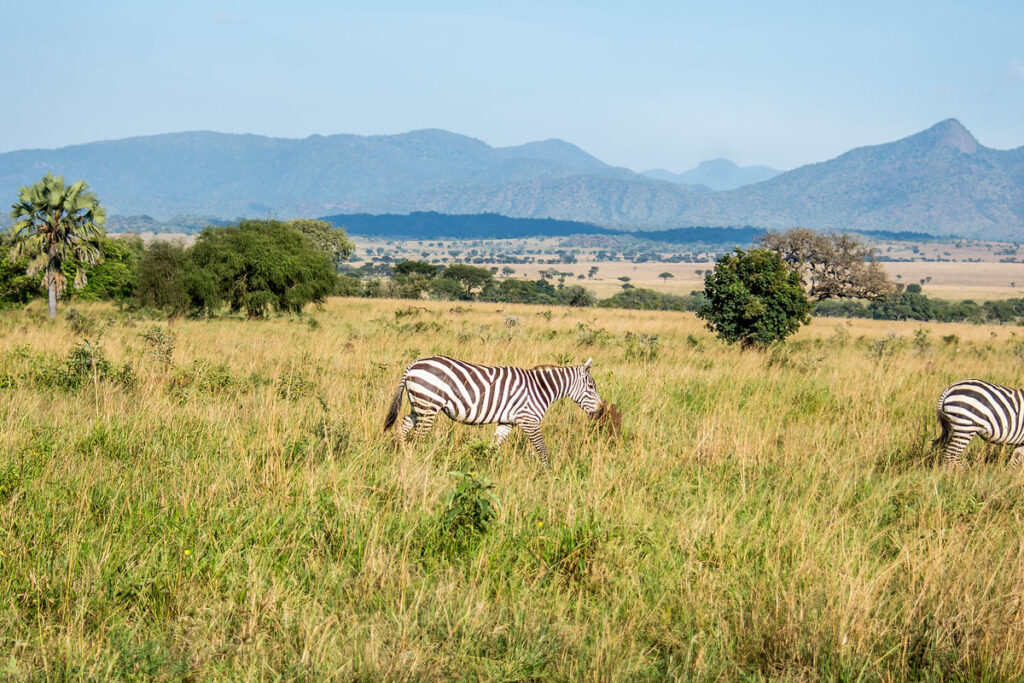
Kidepo Valley National Park lies within the semi-arid Karamoja region, a landscape characterized by open grasslands, rocky hills, seasonal rivers and distant mountain ranges. The park’s remoteness has helped preserve its natural ecosystems, making it one of the most pristine safari destinations in Uganda.
The park’s terrain is shaped by two major valleys—Narus Valley and Kidepo Valley. Narus Valley is the most wildlife-rich area due to its permanent water sources, while Kidepo Valley is more arid and known for its dramatic scenery and sense of isolation.
Kidepo Valley National Park is Uganda’s most remote and untouched safari destination, located in the far northeastern corner of the country near the borders of Kenya and South Sudan. Set within the rugged Karamoja region, Kidepo Valley National Park offers one of the most authentic wilderness experiences in East Africa. With vast savanna plains, dramatic mountain scenery, unique wildlife species, rich birdlife and deep cultural encounters with the Karamojong people, Kidepo is widely regarded as one of Africa’s last true wildernesses. For travelers seeking a less crowded and truly wild Uganda safari, Kidepo Valley National Park delivers an experience that is both raw and unforgettable.
Spanning approximately 1,442 square kilometers, Kidepo Valley National Park is known for its isolation, scenic beauty and remarkable biodiversity. Unlike other parks in Uganda, Kidepo’s remote setting means fewer visitors, allowing for peaceful game drives and uninterrupted wildlife encounters in a setting that feels completely untamed.
Landscape and Ecosystems
Kidepo’s landscape is one of its most defining features. The park offers a striking contrast between lush seasonal grasslands and dry riverbeds, all set against a backdrop of rugged mountains.
- Open savanna plains: Ideal for wildlife viewing and photography
- Bushlands and woodlands: Provide habitat for smaller mammals and birds
- Seasonal rivers: Attract wildlife during dry months
- Mountain ranges: Including the Morungule Mountains and views toward Mount Lotukei
These diverse ecosystems support a wide range of wildlife species, many of which are not commonly found in other Ugandan parks.
Wildlife in Kidepo Valley National Park
Kidepo Valley National Park hosts approximately 86 mammal species, making it one of Uganda’s richest wildlife areas. Its semi-arid environment supports species typically associated with northern Kenya and South Sudan, giving it a unique ecological identity.
Large Mammals and Herbivores
The park is home to impressive populations of large mammals including elephants, buffaloes, Rothschild’s giraffes, zebras and elands. Large herds of buffaloes and elephants are commonly seen in Narus Valley, especially around water sources.
Elands and zebras are particularly special because they are rarely found elsewhere in Uganda, making Kidepo a key destination for travelers interested in seeing unique species.
Predators and Big Game
Kidepo offers excellent opportunities to spot predators such as lions, leopards, cheetahs and spotted hyenas. Lions are frequently seen in Narus Valley, often resting on rocky outcrops or hunting in the open plains.
Cheetahs, which are rarely seen in most Ugandan parks, are one of Kidepo’s highlights. Other predators such as striped hyenas and jackals also inhabit the park, contributing to its rich predator population.
Unique and Rare Species
Kidepo Valley National Park is known for hosting several rare species, including bat-eared foxes, caracals and striped hyenas. These species are more commonly associated with dry savanna ecosystems and are rarely seen elsewhere in Uganda.
Birdlife in Kidepo Valley National Park
Kidepo Valley National Park is a birdwatcher’s paradise, with approximately 475 bird species recorded. It is second only to Queen Elizabeth National Park in Uganda in terms of bird diversity.
Dry-Country Bird Species
The park is particularly known for its dry-country bird species, many of which are not found in other parts of Uganda. This makes Kidepo a unique birding destination for enthusiasts seeking rare sightings.
Notable Bird Species
- Ostriches
- Secretary birds
- Kori bustards
- Red-throated bee-eaters
- Abyssinian rollers
- Abyssinian ground hornbills
- Rose-ringed parakeets
- Karamoja apalis
Raptors
Kidepo is especially famous for its raptors, with over 56 species recorded. These include the lappet-faced vulture, lesser kestrel and Denham’s bustard. Birdwatching in the park is rewarding year-round, particularly in open areas and near water sources.
Top Activities in Kidepo Valley National Park
Narus Valley Game Drives
Game drives in Narus Valley offer the best wildlife viewing opportunities in the park. The presence of permanent water sources attracts large concentrations of animals, making it easier to spot wildlife throughout the year.
Visitors can expect to see elephants, buffaloes, giraffes, zebras, lions and various antelope species during a typical game drive.
Kidepo Valley Scenic Drives
The Kidepo Valley is less populated with wildlife but offers some of the most breathtaking scenery in the park. The dry riverbed and expansive plains create a dramatic landscape that is ideal for photography and scenic exploration.
Nature Walks
Guided nature walks allow visitors to explore the park on foot, providing a more intimate experience with the environment. Walks can range from short explorations near Apoka to longer treks through the Narus Valley and surrounding areas.
Birdwatching
Birdwatching is a major highlight in Kidepo. Experienced guides help visitors locate and identify bird species across different habitats, making it a rewarding activity for both beginners and experienced birders.
Community and Cultural Walks
Cultural visits to Karamojong communities provide insight into traditional pastoral lifestyles. Visitors can explore manyattas, learn about local customs and experience cultural dances and storytelling.
Kidepo Valley National Park Entry Fees
Park entry fees for Kidepo Valley National Park are charged per person per day and play an important role in supporting conservation, wildlife protection and park management. These fees contribute directly to maintaining the park’s infrastructure, protecting its unique ecosystems and ensuring sustainable tourism in one of Uganda’s most remote wilderness areas.
Non-Residents (International Visitors)
International visitors contribute the highest conservation fees, which help support wildlife protection and tourism development across Uganda’s national parks.
- Adults: USD 40 per person per day
- Children (5–15 years): USD 20 per child per day
Foreign Residents
Foreign residents living in Uganda benefit from reduced rates upon presentation of valid residency permits, making travel more accessible for long-term visitors.
- Adults: USD 30 per person per day
- Children: USD 10 per child per day
East African Citizens
Citizens of East African Community countries enjoy subsidized entry fees, encouraging regional tourism and conservation awareness.
- Adults: UGX 20,000 per person per day
- Children: UGX 5,000 per child per day
It is important to note that park entry fees may be updated periodically by the Uganda Wildlife Authority. Visitors are advised to confirm the latest rates before travel. Additional charges may apply for activities such as guided nature walks, ranger services and vehicle entry fees.
Accommodation in Kidepo Valley National Park
Kidepo Valley National Park offers a range of accommodation options to suit different budgets and travel styles, from exclusive luxury lodges to mid-range stays and budget-friendly camps. Due to the park’s remote location, accommodation is limited, making early booking essential, especially during peak travel seasons.
Luxury Lodges
Luxury accommodation in Kidepo provides a high-end safari experience, combining comfort, privacy and spectacular views of the park’s wilderness.
- Apoka Safari Lodge: The premier luxury lodge in Kidepo, located within the park and overlooking the Narus Valley. It offers spacious rooms, private verandas, a swimming pool and exceptional service, making it ideal for travelers seeking an exclusive and immersive safari experience.
Mid-Range Lodges
Mid-range lodges provide a comfortable and affordable option for travelers looking to balance quality and cost.
- Kidepo Savannah Lodge: Offers comfortable accommodation with scenic views of the park and convenient access to game drive routes.
- Adere Safari Lodge: Located near the park, this lodge features panoramic views of the Karamoja landscape and a peaceful atmosphere ideal for relaxation.
Budget Options
Budget accommodation is available for travelers seeking a more affordable safari experience while still enjoying the park’s highlights.
- UWA Bandas: Government-run bandas located within the park, offering simple and practical accommodation.
- Kidepo Rest Camp: Basic facilities suitable for adventurous travelers, researchers and budget-conscious visitors.
Staying within or close to the park allows visitors to maximize their time on game drives and enjoy early morning and late afternoon wildlife viewing, which are the best times for sightings.
Best Time to Visit Kidepo Valley National Park
Kidepo Valley National Park can be visited year-round but the best time for wildlife viewing is during the dry season, particularly between July and August. During this period, water sources become limited and animals gather in areas such as Narus Valley, making wildlife easier to spot.
The dry season also offers better road conditions and clearer visibility for photography. Early mornings and late afternoons are especially rewarding for game drives, as animals are more active during cooler hours.
During the rainy season, the park becomes greener and more scenic, offering excellent opportunities for birdwatching and landscape photography. However, wildlife tends to disperse and some roads may become more challenging to navigate.
How to Get to Kidepo Valley National Park
By Road
Traveling to Kidepo by road is a true adventure, offering a chance to explore Uganda’s diverse landscapes. The most common route is via Gulu and Kitgum, covering approximately 571 kilometers from Kampala. This journey typically takes a full day and requires a reliable 4WD vehicle due to varying road conditions.
Alternative routes pass through the Karamoja region, offering additional scenic and cultural experiences, though they are longer and require careful planning.
By Air
Flying is the fastest and most convenient way to reach Kidepo Valley National Park. Scheduled and charter flights operate from Entebbe International Airport and Kajjansi Airfield to airstrips serving the park. This option significantly reduces travel time and provides stunning aerial views of Uganda’s landscapes.
Why Visit Kidepo Valley National Park?
Kidepo Valley National Park offers a safari experience unlike any other in Uganda. Its remote location, dramatic landscapes and low visitor numbers create a sense of true wilderness that is increasingly rare in modern safari destinations.
- Remote and untouched wilderness: Experience a raw and authentic African safari far from crowded tourist routes
- Unique wildlife species: See animals such as cheetahs, bat-eared foxes and zebras rarely found elsewhere in Uganda
- Exceptional birdwatching: Discover over 475 bird species, including rare dry-country birds
- Rich cultural experiences: Engage with the Karamojong people and learn about their traditional way of life
For travelers seeking adventure, solitude and a deeper connection with nature, Kidepo Valley National Park stands out as one of the most rewarding safari destinations in East Africa.
Final Thoughts
Kidepo Valley National Park offers one of the most authentic and immersive safari experiences in Uganda. Its combination of diverse wildlife, dramatic scenery and rich cultural heritage makes it a truly unique destination. Whether you are an experienced safari traveler or exploring Uganda for the first time, Kidepo promises an unforgettable journey into one of Africa’s last great wilderness areas.