
Nyerere National Park
Nyerere National Park Safari Guide: Wildlife, Boat Safaris, Entrance Fees, Costs, Attractions and Travel Tips
Nyerere National Park is one of Africa’s largest and most untouched safari destinations, offering a truly wild and immersive experience in southern Tanzania. Covering more than 30,000 square kilometers, this vast protected area was carved out of the legendary Selous Game Reserve and is now a UNESCO-recognized wilderness landscape known for its rich biodiversity and low tourist density.
Unlike the busy northern circuit parks such as Serengeti and Ngorongoro, Nyerere National Park provides a more exclusive and peaceful safari experience. The park is defined by the powerful Rufiji River, which forms an intricate system of channels, lagoons and floodplains that attract abundant wildlife year-round. Whether you are interested in classic game drives, scenic boat safaris or guided walking safaris, Nyerere offers one of the most diverse safari experiences in East Africa.
What Makes Nyerere National Park Unique
Nyerere National Park stands out for its combination of size, diversity and authenticity. As the largest national park in Africa, it offers vast open spaces where wildlife roams freely with minimal human disturbance. This makes it ideal for travelers seeking a raw and uncrowded safari experience.
One of the key highlights of Nyerere is the ability to enjoy multiple safari activities in one destination. Visitors can explore the park through game drives, boat safaris and walking safaris, each offering a unique perspective of the ecosystem.
The park is also one of the best places in Africa to see African wild dogs, a rare and endangered predator. Combined with large populations of elephants, buffaloes and hippos, Nyerere delivers exceptional wildlife encounters in a pristine environment.
Location and Landscape of Nyerere National Park
Nyerere National Park is located in southern Tanzania, approximately 230 kilometers from Dar es Salaam. It forms part of the greater Selous ecosystem, one of the largest protected wilderness areas in Africa.
The park’s landscape is incredibly diverse, featuring open savannah, miombo woodlands, riverine forests, wetlands and seasonal floodplains. The Rufiji River is the defining feature of the park, creating oxbow lakes, sandbanks and lagoons that sustain wildlife throughout the year.
This diversity of habitats supports a wide range of species and ensures that every safari experience is unique, depending on the area and time of year.
Top Attractions in Nyerere National Park
Rufiji River
The Rufiji River is the lifeline of Nyerere National Park and one of the most important ecosystems in Tanzania. It supports large populations of hippos, crocodiles, elephants and birdlife.
Boat safaris along the river allow visitors to observe wildlife at close range while enjoying scenic views of the surrounding landscape. The river’s channels and lagoons also provide excellent opportunities for photography.
Stiegler’s Gorge
Stiegler’s Gorge is a dramatic natural feature where the Rufiji River cuts through steep cliffs, creating a breathtaking landscape. The gorge is not only visually stunning but also an important geographical landmark within the park.
Oxbow Lakes and Lagoons
These water bodies are formed by the shifting course of the Rufiji River and are rich in wildlife and birdlife. They are particularly important during the dry season, when animals gather around water sources.
Floodplains and Open Savannah
The floodplains are among the best areas for wildlife viewing in Nyerere National Park. These open spaces make it easier to spot large herds of herbivores as well as predators such as lions and hyenas.
Wildlife in Nyerere National Park
Nyerere National Park is home to a remarkable diversity of wildlife, making it one of Tanzania’s top safari destinations. The park hosts large populations of elephants and buffaloes, often seen in impressive herds.
Predators such as lions, leopards and hyenas are commonly spotted, while the park’s reputation for African wild dogs makes it especially appealing for wildlife enthusiasts.
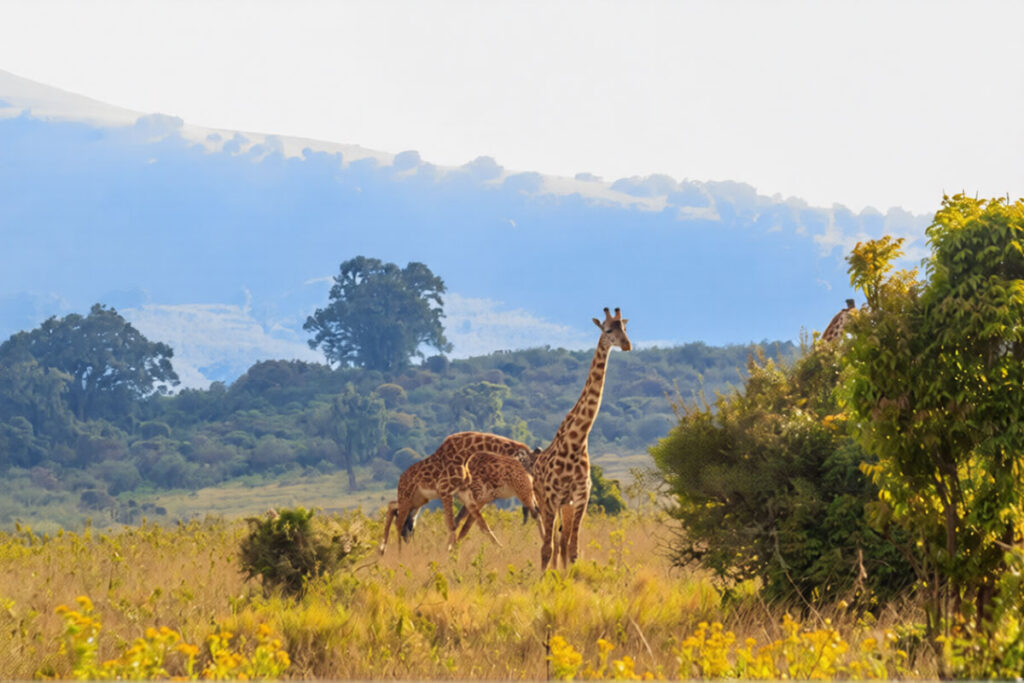
Other species include giraffes, zebras, impalas, waterbucks, warthogs, crocodiles and large groups of hippos. The combination of riverine and savannah habitats ensures consistent wildlife sightings throughout the year.
Birdwatching in Nyerere National Park
With over 400 recorded bird species, Nyerere National Park is a top destination for birdwatching in Tanzania. The diverse habitats, including wetlands and riverbanks, support a wide variety of birds.
Visitors can spot African fish eagles, kingfishers, herons, bee-eaters, hornbills and numerous water birds. The wet season is particularly rewarding, as migratory species arrive and breeding activity increases.
Boat Safari Experience in Nyerere National Park
Boat safaris are one of the most unique and memorable experiences in Nyerere National Park. Conducted along the Rufiji River, these safaris provide a completely different perspective compared to traditional game drives.
Boat safaris typically last between 2 to 3 hours and are available in the morning and late afternoon. Sunset boat safaris are especially popular, offering stunning views and excellent wildlife activity.
During a boat safari, visitors can observe hippos, crocodiles, elephants and a wide variety of birds at close range. The slow pace allows for detailed observation and photography, making it a highlight of any visit.
Boat safari costs generally range between USD 25 and USD 40 per person, depending on the duration and operator.
Top Activities in Nyerere National Park
Game Drives
Game drives are the most common way to explore Nyerere National Park. Conducted in open safari vehicles, they allow visitors to cover large areas and spot a wide range of wildlife.
Morning and late afternoon drives are the best times for wildlife viewing, as animals are more active during cooler hours.
Walking Safaris
Walking safaris offer a more intimate experience, allowing visitors to explore the bush on foot under the guidance of trained rangers. This activity focuses on tracks, plants and smaller wildlife that are often missed during game drives.
Boat Safaris
Boat safaris along the Rufiji River provide close encounters with aquatic wildlife and are one of the park’s main highlights.
Nyerere National Park Entrance Fees (2026)
Entrance fees are charged per person per day and are valid for 24 hours.
- Non-Residents: USD 50 + 18% VAT (approximately USD 59 per adult)
- Children (5–15 years): USD 30 + VAT
- Children under 5: Free
Concession Fees
- Approximately USD 25 per person per night (for visitors staying inside the park)
Vehicle Entry Fees
- Approximately USD 40 per vehicle per day (foreign registered vehicles)
Opening Hours
Nyerere National Park is open daily from 6:00 AM to 6:00 PM.
Safari Cost Overview in Nyerere National Park
The cost of a safari in Nyerere National Park varies depending on travel style and accommodation level. Budget safaris typically range from USD 250 to 400 per person per day, while mid-range options cost between USD 500 and 800 per person per day.
Luxury safaris can range from USD 900 to 1,500+ per person per day, offering premium lodges, private guides and fly-in access.
Fly-in safaris from Dar es Salaam or Zanzibar usually cost an additional USD 300 return per person, providing a convenient and time-saving option.
What to Pack for Nyerere National Park
- Light, breathable clothing in neutral safari colors
- Sunscreen, hat and sunglasses
- Insect repellent (essential due to river environment)
- Comfortable walking shoes
- Binoculars and camera
Travel Tips for Nyerere National Park
Fly-in safaris are highly recommended for convenience, as road travel can be long and challenging. Booking in advance is essential during peak season (June to October).
The dry season offers the best wildlife viewing, while the wet season provides lush scenery and excellent birdwatching opportunities.
Choosing lodges near the Rufiji River enhances your experience, as wildlife activity is highest in these areas.
Why Choose Nyerere National Park Over Serengeti
Nyerere National Park offers a quieter and more exclusive safari experience compared to Serengeti. It is ideal for travelers seeking solitude and a deeper connection with nature.
Unlike Serengeti, Nyerere offers a wider range of activities, including boat and walking safaris, making it more diverse.
The park’s remote location and vast landscapes create a more authentic and less commercial safari experience.
Best Time to Visit Nyerere National Park
The best time to visit is during the dry season from June to October, when wildlife gathers around water sources and is easier to spot.
The wet season (March to May) offers lush landscapes and fewer visitors but may limit access to some areas.
How to Get to Nyerere National Park
By Road
The park is approximately 5 to 6 hours’ drive from Dar es Salaam, depending on road conditions.
By Air
Fly-in safaris from Dar es Salaam or Zanzibar are the fastest and most convenient way to reach the park, with daily scheduled flights available.
How Long Should You Stay in Nyerere National Park?
A stay of 2 to 4 days is ideal to fully experience game drives, boat safaris and walking safaris.
Who Should Visit Nyerere National Park?
Nyerere National Park is perfect for nature lovers, photographers and travelers seeking a remote, uncrowded safari experience with diverse activities.
Combine Nyerere with Other Tanzania Destinations
Nyerere National Park can be combined with Ruaha National Park for a southern circuit safari or with Zanzibar for a beach and safari combination.
Plan Your Nyerere National Park Safari
With its vast wilderness, diverse wildlife and unique safari activities, Nyerere National Park offers one of the most authentic and unforgettable safari experiences in Africa.