
Ruaha National Park
Ruaha National Park, Tanzania: Complete Safari Guide, Wildlife, Entry Fees, Activities, Best Time to Visit & Travel Tips
Ruaha National Park covers approximately 20,000 square kilometers, making it the largest national park in Tanzania. It was significantly expanded in 2008 when it incorporated the Usangu Game Reserve, increasing its ecological importance and wildlife range. The park forms part of a wider ecosystem that includes several surrounding conservation areas, creating one of the largest protected wilderness zones in East Africa.
Despite its size and biodiversity, Ruaha remains one of Tanzania’s least visited parks, offering a more private and undisturbed safari experience. This makes it especially appealing to seasoned safari travelers and those looking to escape the busy tourist routes.
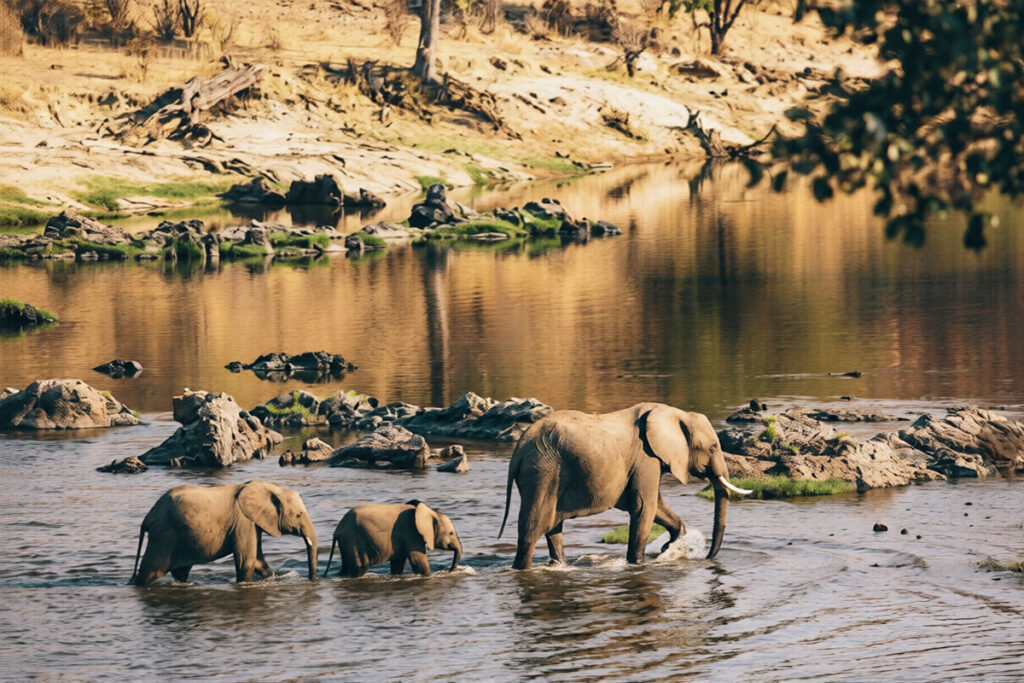
Ruaha National Park is Tanzania’s largest national park and one of Africa’s most remote, wild and rewarding safari destinations. Located in southern Tanzania, Ruaha offers vast untouched landscapes, exceptional wildlife diversity and a truly authentic safari experience far from the crowds of the northern circuit. Famous for its large elephant herds, one of the highest concentrations of lions in Africa and the life-giving Great Ruaha River, this park is ideal for travelers seeking a raw, immersive and exclusive African safari.
Location and Accessibility
Ruaha National Park is located in central-southern Tanzania, approximately 130 kilometers west of Iringa town. Its remote location contributes to its exclusivity but also requires some planning to access.
- By Air: The fastest and most convenient way to reach Ruaha is by domestic flights from Dar es Salaam, Arusha or Zanzibar to Msembe Airstrip or other nearby airstrips.
- By Road: The park can also be accessed by road, with a journey of about 10–12 hours from Dar es Salaam or 2–3 hours from Iringa.
Most visitors opt for fly-in safaris to save time and maximize their experience within the park.
Landscape and Ecosystem Diversity
Ruaha National Park features a diverse and dramatic landscape that includes open savannah plains, baobab-studded valleys, rocky escarpments, seasonal rivers and woodland areas. The park lies at the meeting point of eastern and southern African ecosystems, resulting in a unique blend of plant and animal species.
The iconic baobab trees scattered across the landscape add to the park’s beauty, while the varied terrain supports a wide range of habitats that sustain diverse wildlife populations.
The Great Ruaha River and Wildlife Concentration
The Great Ruaha River is the lifeline of the park and plays a crucial role in sustaining its wildlife. During the dry season, when water sources become scarce, the river attracts large concentrations of animals, making it one of the best areas for wildlife viewing.
Wildlife Activity Along the River
Elephants, buffaloes, antelopes and other herbivores gather along the riverbanks to drink, creating ideal hunting opportunities for predators such as lions, leopards and hyenas. This results in dramatic wildlife interactions and unforgettable safari moments.
Seasonal Importance
While the river is most active during the dry season, it remains an important feature year-round. In the wet season, animals disperse across the park as water becomes more widely available.
Wildlife in Ruaha National Park
The Big Five and Large Mammals
Ruaha is home to four of the Big Five—lion, leopard, elephant and buffalo—while rhinos are extremely rare. The park is particularly renowned for its large elephant population and its lion population, which is believed to represent around 10% of Africa’s total lions.
Other Wildlife Species
The park hosts an impressive variety of wildlife, including cheetahs, African wild dogs, giraffes, zebras, hippos, crocodiles and numerous antelope species such as greater kudu, sable antelope and roan antelope. This diversity is due to the park’s unique position at the crossroads of different ecological zones.
Predator Experience
Ruaha is one of the best destinations in Africa for predator sightings. Lions are frequently seen in prides, while African wild dogs—one of the continent’s most endangered predators—can occasionally be observed hunting in packs. The park’s low visitor numbers ensure that sightings are less crowded and more natural.
Birdlife in Ruaha National Park
Ruaha National Park is a birding paradise with over 570 recorded bird species. Its varied habitats support both resident and migratory birds, making it a year-round birdwatching destination.
Birdwatching Highlights
Visitors can spot hornbills, kingfishers, eagles, vultures and many other species. The riverbanks and wetlands are particularly rich in birdlife, offering excellent opportunities for photography and observation.
Top Activities in Ruaha National Park
Game Drives
Game drives are the main activity in Ruaha, allowing visitors to explore its vast landscapes and observe wildlife in their natural habitat. Early morning and late afternoon drives offer the best chances to see predators and active wildlife.
Walking Safaris
Walking safaris provide a unique opportunity to experience the African wilderness on foot.
Walking Safari Experience
Led by armed rangers and experienced guides, walking safaris allow visitors to learn about animal tracks, plants and ecosystems. This activity offers a deeper understanding of the natural environment and a closer connection to the wilderness.
Night Game Drives
In private concessions around the park, night game drives are available. These safaris offer a chance to see nocturnal animals such as bush babies, civets, genets and predators hunting after dark.
Birdwatching
Ruaha’s rich birdlife makes it an excellent destination for bird enthusiasts, especially during the wet season.
Photography Safaris
The park’s dramatic landscapes, wildlife and unique baobab scenery make it a dream destination for photographers.
Ruaha National Park Entry Fees
Park entry fees are managed by the Tanzania National Parks Authority (TANAPA) and are charged per person per day. These fees contribute to conservation, wildlife protection and park management.
Non-Residents (International Visitors)
- Adults: USD 30 per person per day (excluding 18% VAT)
- Children (5–15 years): USD 10 per child per day
Residents (Expatriates in Tanzania)
- Adults: USD 15 per person per day
- Children: USD 5 per child per day
East African Citizens
- Adults: TZS 5,000 per person per day
- Children: TZS 2,000 per child per day
An additional 18% VAT applies to non-resident fees. Children under 5 years enter free of charge.
Why Visit Ruaha National Park?
- One of Africa’s largest and most untouched wilderness areas
- High concentration of lions and predators
- Large elephant herds
- Minimal crowds compared to northern parks
- Unique mix of East and Southern African wildlife species
- Authentic and exclusive safari experience
Combine Ruaha with Other Southern Tanzania Parks
Ruaha National Park can be combined with other destinations in Tanzania’s Southern Circuit for a richer safari experience.
- Nyerere National Park: Boat safaris and river wildlife experiences
- Mikumi National Park: Accessible wildlife viewing
- Udzungwa Mountains: Hiking, waterfalls and biodiversity
Best Time to Visit Ruaha National Park
Dry Season (June to October)
This is the best time for wildlife viewing, as animals gather around water sources and vegetation is sparse.
Wet Season (November to May)
The park becomes lush and green, offering excellent birdwatching opportunities, though wildlife may be more dispersed.
Accommodation in Ruaha National Park
Ruaha offers a range of accommodation options, from luxury lodges to tented camps and budget campsites. Many are located along the river, providing excellent wildlife viewing.
How to Get to Ruaha National Park
By Road
Accessible via long-distance drives from Dar es Salaam or shorter drives from Iringa.
By Air
Domestic flights provide the fastest access via airstrips such as Msembe.
Who Should Visit Ruaha National Park?
- Experienced safari travelers seeking remote destinations
- Wildlife enthusiasts interested in predators
- Photographers looking for untouched landscapes
- Travelers wanting a less crowded safari experience
What to Pack for a Ruaha Safari
- Lightweight clothing in neutral colors
- Comfortable walking shoes
- Binoculars and camera
- Sunscreen, hat and sunglasses
- Insect repellent
Health and Safety Information
- Malaria prevention is recommended
- Travel insurance is highly advised
- Follow guide instructions during activities
Final Thoughts
Ruaha National Park offers one of the most authentic and rewarding safari experiences in Africa. With its vast landscapes, rich wildlife and low visitor numbers, it provides a truly wild and unforgettable adventure for travelers seeking something beyond the traditional safari.