
Gishwati-Mukura National Park
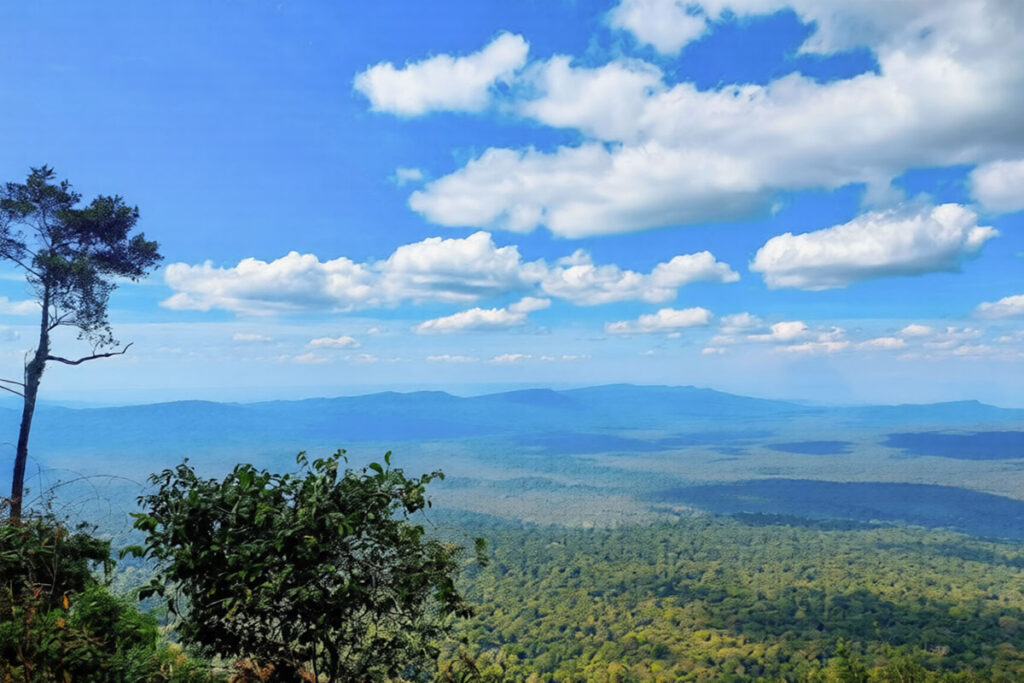
Gishwati-Mukura National Park, Rwanda: Complete Guide to Chimpanzee Trekking, Biodiversity & Eco-Safaris
Gishwati-Mukura National Park is Rwanda’s newest national park and one of the country’s most important conservation areas, offering a unique blend of chimpanzee trekking, forest biodiversity and community-based tourism. Located in western Rwanda along the Congo-Nile Divide, this protected rainforest provides a quieter and more intimate alternative to Rwanda’s more established safari destinations. With its rich montane forest, rare primates and ongoing restoration efforts, Gishwati-Mukura National Park is perfect for travelers seeking authentic, off-the-beaten-path wildlife experiences.
Gishwati-Mukura National Park was officially gazetted in 2015 and brings together two forest blocks—Gishwati Forest and Mukura Forest—into one protected ecosystem. Although it is Rwanda’s smallest national park, its ecological importance is significant, particularly in restoring degraded landscapes and protecting biodiversity within the Albertine Rift.
Location and Accessibility
The park is situated in western Rwanda between Lake Kivu and Nyungwe Forest National Park. It can be accessed from Kigali in approximately 3 to 4 hours by road, making it a convenient addition to Rwanda safari itineraries. Its location also allows easy combination with destinations such as Volcanoes National Park for gorilla trekking and Lake Kivu for relaxation.
Landscape and Natural Environment
Gishwati-Mukura is dominated by montane rainforest, rolling hills and high-altitude ridges. The terrain is characterized by thick vegetation, bamboo zones and regenerating forest corridors. The park plays a critical role in watershed protection, climate regulation and linking fragmented habitats across the region.
Conservation and Forest Restoration
Historically, the forests of Gishwati and Mukura were heavily degraded due to deforestation, agricultural expansion and livestock grazing. Conservation efforts led by the Rwanda Development Board and partners have focused on reforestation, wildlife protection and sustainable tourism development.
Today, the park stands as a model for ecological restoration, with ongoing efforts to expand forest cover, reconnect wildlife habitats and improve livelihoods for surrounding communities through eco-tourism.
Chimpanzee Trekking in Gishwati Forest
Chimpanzee trekking is the highlight activity in Gishwati-Mukura National Park, offering visitors a rare opportunity to observe these intelligent primates in a less crowded and more intimate setting compared to other destinations.
The Chimpanzee Trekking Experience
Chimpanzee trekking involves walking through dense forest with experienced guides and trackers to locate habituated chimpanzee groups. Once found, visitors can observe them as they move through the forest, feed, groom and interact socially.
What to Expect During the Trek
Morning Briefing
The day begins with a briefing from park rangers, where you will learn about chimpanzee behavior, safety guidelines and trekking expectations. Groups are then assigned based on availability and visitor readiness.
Forest Trekking Experience
The trek takes place through thick forest terrain, which may include steep slopes, muddy trails and dense vegetation. The duration varies depending on the movement of the chimpanzees but typically lasts a few hours.
Chimpanzee Encounter
Once the chimpanzees are located, visitors spend time observing their natural behavior. Unlike gorillas, chimpanzees are highly active and move quickly through the forest, making the experience dynamic and exciting.
Chimpanzee Trekking Permit in Gishwati-Mukura National Park
Chimpanzee trekking requires a permit, which must be arranged in advance through a licensed tour operator or the Rwanda Development Board (RDB). As tourism in the park is still developing, permit pricing is not yet standardized and may vary depending on availability, season and booking arrangements.
Permit Availability
Visitor numbers are limited each day to ensure a low-impact experience and support conservation. This also enhances the quality of the encounter by keeping groups small and manageable.
What the Permit Includes
- Park entry and conservation fees
- Professional ranger guide services
- Guided chimpanzee tracking experience
- Time spent observing chimpanzees in their natural habitat
Booking Advice
Due to limited availability, it is highly recommended to book chimpanzee trekking permits in advance through a reliable tour operator to secure your preferred travel dates.
Other Wildlife in Gishwati-Mukura National Park
While chimpanzees are the main attraction, the park supports a variety of other wildlife species, particularly primates and small forest mammals.
Primate Diversity
The park is home to several primate species, including golden monkeys, L’Hoest’s monkeys, blue monkeys, vervet monkeys and baboons. These primates are often encountered during guided walks and add to the richness of the park’s wildlife experience.
Small Mammals and Forest Species
Gishwati-Mukura also supports species such as duikers and other small forest mammals. Although large mammals are limited, the park’s biodiversity lies in its forest ecosystem and smaller wildlife.
Birdlife in Gishwati-Mukura National Park
The park is a notable birding destination, especially for Albertine Rift endemic species. With over 200 bird species recorded, it offers excellent opportunities for birdwatchers.
Birdwatching Experience
Birding in Gishwati-Mukura takes place in dense forest environments, requiring patience and guidance from experienced birding guides. The diversity of species makes it rewarding for both beginner and experienced birders.
Notable Bird Species
Common sightings include the Rwenzori turaco, mountain yellow warbler, stripe-breasted tit and various forest specialists unique to the region.
Top Activities in Gishwati-Mukura National Park
Chimpanzee Trekking
The main activity, offering an immersive and close-up experience with one of Africa’s most intelligent primates.
Guided Nature Walks
Nature walks provide a deeper understanding of the forest ecosystem, including plant species, insects and smaller wildlife that are often overlooked.
Birdwatching Safaris
Birdwatching is a rewarding activity, with guided tours helping visitors identify and locate rare and endemic species.
Community and Cultural Experiences
Visitors can engage with local communities through cultural activities such as traditional farming, craft-making and storytelling. These experiences support sustainable tourism and local livelihoods.
Accommodation Options
Accommodation near Gishwati-Mukura National Park is still developing, with a focus on eco-tourism and sustainability.
Accommodation Experience
Most visitors stay in lodges around Lake Kivu or nearby towns, offering comfortable rooms, scenic views and easy access to the park. These accommodations emphasize environmental responsibility and provide a peaceful retreat in nature.
Gishwati-Mukura National Park Entry Information
Access to the park is regulated and entry is typically arranged as part of guided activities such as chimpanzee trekking or nature walks. As tourism infrastructure is still developing, entry fees and activity costs may vary and are best confirmed at the time of booking.
Best Time to Visit Gishwati-Mukura National Park
Dry Season (June to September & December to February)
This is the best time for trekking activities, as trails are drier and easier to navigate. Wildlife viewing and forest walks are more comfortable during this period.
Wet Season (March to May & October to November)
The rainy seasons bring lush vegetation and excellent birdwatching conditions. However, trails can become muddy and more challenging for trekking.
How to Get to Gishwati-Mukura National Park
By Road
The park is accessible by road from Kigali, with a journey time of approximately 3 to 4 hours. The drive offers scenic views of Rwanda’s rolling hills and countryside.
Who Should Visit Gishwati-Mukura National Park?
- Primate enthusiasts interested in chimpanzee trekking
- Birdwatchers seeking rare and endemic species
- Travelers looking for less crowded safari destinations
- Nature lovers interested in forest ecosystems and conservation
- Visitors combining multiple Rwanda safari experiences
What to Pack for Gishwati-Mukura Safari
- Sturdy hiking boots with good grip
- Rain jacket and warm clothing
- Long-sleeved shirts and trousers
- Insect repellent
- Binoculars and camera
- Water and snacks
Travel Tips for Visiting Gishwati-Mukura National Park
- Book chimpanzee trekking permits in advance
- Hire a guide for all activities
- Wear appropriate hiking gear for forest conditions
- Respect wildlife and follow conservation guidelines
Health and Safety Information
- Check vaccination requirements before travel
- Malaria prevention is recommended
- Travel insurance is highly advised
- Follow ranger instructions during trekking
Final Thoughts
Gishwati-Mukura National Park offers a unique and immersive safari experience in Rwanda. With its focus on conservation, primate trekking and forest biodiversity, the park provides a peaceful and authentic alternative to more popular destinations. For travelers seeking a deeper connection with nature and a meaningful conservation experience, Gishwati-Mukura is a hidden gem worth exploring.