
Masai Mara National Reserve
Masai Mara National Reserve Safari Guide: Wildlife, Great Migration, Activities, Costs & Travel Tips
Masai Mara National Reserve is one of Africa’s most iconic safari destinations, renowned for its exceptional wildlife, vast savannah landscapes and the world-famous Great Wildebeest Migration. Located in southwestern Kenya and forming part of the greater Serengeti ecosystem in Tanzania, the Masai Mara offers an unmatched safari experience filled with dramatic wildlife encounters and breathtaking scenery. Whether you are visiting for the Big Five, the migration or a classic African safari, the Masai Mara delivers a rich, immersive and unforgettable adventure.
Why Visit Masai Mara National Reserve?
Masai Mara stands out as one of the best wildlife destinations in Africa due to its high density of animals and open landscapes that make wildlife viewing easier and more rewarding. Unlike many parks where sightings can be unpredictable, the Mara offers consistent encounters with a wide variety of species throughout the year.
Exceptional Wildlife Density
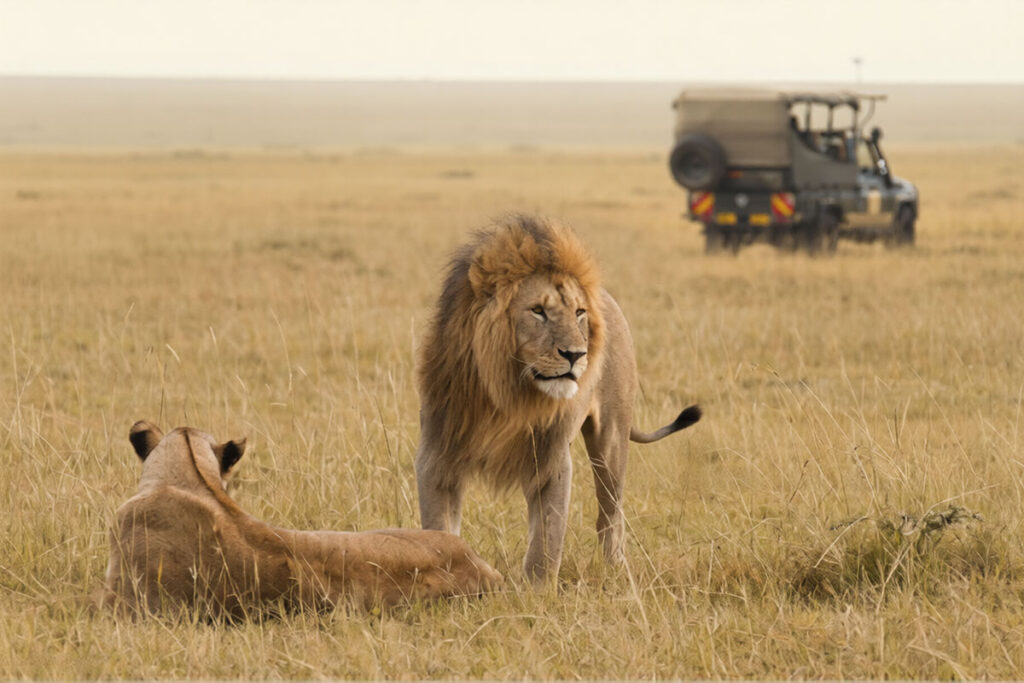
The reserve is home to large populations of predators and herbivores, meaning visitors often witness multiple wildlife sightings within a single game drive. Lions are particularly abundant and it is not uncommon to observe entire prides resting, hunting or interacting.
Open Savannah Landscapes
The rolling grasslands of the Masai Mara provide excellent visibility, allowing visitors to spot wildlife from a distance. This makes it ideal for photography and for travelers experiencing their first safari.
Year-Round Safari Destination
Although the Great Migration is seasonal, the Masai Mara offers incredible wildlife viewing throughout the year, making it a reliable destination regardless of travel dates.
The Great Wildebeest Migration Experience
The Great Wildebeest Migration is the most spectacular wildlife event in the Masai Mara. Occurring between July and October, this natural phenomenon involves over 1.5 million wildebeests, accompanied by zebras and gazelles, moving across the plains in search of fresh grazing land.
Mara River Crossings
One of the most dramatic highlights of the migration is the crossing of the Mara River. Here, thousands of animals plunge into crocodile-infested waters, facing strong currents and predators. These crossings are unpredictable and create some of the most thrilling wildlife moments in Africa.
Predator-Prey Interactions
The migration attracts predators such as lions, cheetahs and hyenas, creating intense scenes of survival. This makes the Masai Mara one of the best places in the world to witness natural wildlife behavior.
Best Time to Witness the Migration
The peak migration season typically falls between July and October, although timing can vary depending on rainfall patterns. Early booking is highly recommended during this period due to high demand.
Top Attractions in Masai Mara National Reserve
Big Five Wildlife
Masai Mara is one of the few destinations where all members of the Big Five—lion, elephant, buffalo, leopard and rhinoceros—can be seen. Lions are especially common, while elephants roam in large herds. Leopards are often spotted along riverine forests and rhinos can be seen in protected areas within the reserve.
Mara River
The Mara River is not only crucial during the migration but also a year-round attraction. It supports a variety of wildlife, including hippos and crocodiles and serves as a lifeline for animals in the reserve.
Birdlife Diversity
With over 500 recorded bird species, the Masai Mara is a haven for birdwatchers. From colorful bee-eaters and kingfishers to large birds of prey like eagles and vultures, the diversity is impressive throughout the year.
Scenic Landscapes
The reserve features classic African savannah scenery, including acacia trees, rolling plains and seasonal rivers. These landscapes not only support wildlife but also provide stunning backdrops for photography and relaxation.
Safari Activities in Masai Mara
Game Drives
Game drives are the main activity in Masai Mara and are conducted in 4×4 safari vehicles with experienced guides. These drives take place in the early morning and late afternoon when wildlife is most active. Visitors can expect to see a wide range of animals, from large mammals to smaller species often missed without expert guidance.
Hot Air Balloon Safari
A hot air balloon safari is one of the most unique experiences in the Masai Mara. Floating above the plains at sunrise offers panoramic views of the landscape and wildlife below. The experience is typically followed by a bush breakfast in the wild, making it both luxurious and memorable.
Walking Safaris
Guided walking safaris provide a different perspective of the Mara, focusing on smaller details such as tracks, insects and plant life. These safaris allow visitors to connect more closely with nature and understand the ecosystem beyond large wildlife.
Horseback Riding
Horseback safaris offer a unique and quiet way to explore the reserve. Without the noise of vehicles, riders can approach wildlife more naturally, creating a more intimate experience.
Birdwatching
Birdwatching in the Masai Mara is rewarding year-round. Experienced guides can help identify species and explain their behaviors, making it an enriching experience for both beginners and seasoned birders.
Maasai Cultural Experiences
A safari in Masai Mara is not complete without experiencing the culture of the Maasai people, who have lived in harmony with wildlife for generations. Their traditions, lifestyle and deep connection to nature add a meaningful cultural layer to your visit.
Village Visits (Manyattas)
Visitors can tour traditional Maasai villages, known as manyattas, where they learn about daily life, housing structures and community organization. These visits offer insight into how the Maasai coexist with wildlife.
Traditional Dances and Ceremonies
The Maasai are known for their energetic jumping dances and colorful attire. Participating in or observing these performances provides a deeper appreciation of their cultural identity.
Local Crafts and Souvenirs
Guests can purchase handmade beadwork and crafts directly from local artisans, supporting the community while taking home authentic souvenirs.
Where to Stay in Masai Mara National Reserve
Masai Mara offers a wide range of accommodation options, from luxury lodges with world-class amenities to budget camps that provide a more rustic yet authentic experience.
Luxury Accommodation
- Mara Engai Wilderness Lodge
- Mara Serena Safari Lodge
- Neptune Mara Rianta
- Angama Mara
- Little Governors Camp
Luxury lodges offer spacious rooms, fine dining, guided activities and stunning views of the savannah, making them ideal for travelers seeking comfort and exclusivity.
Mid-Range Accommodation
- Mara Intrepid Tented Camp
- Mara Bush Camp
- Kilima Camp Masai Mara
- Rekero Camp
- Hammerkop Migration Camp
- Ashnil Mara Camp
- Sopa Mara Lodge
Mid-range options provide a balance between comfort and affordability, offering quality services and good access to wildlife areas.
Budget Accommodation
- Karen Blixen Camp
- Kandili Camp
- Royal Mara Camp
- Sarova Mara
- Naserian Mara Camp
Budget accommodations are perfect for travelers looking for a cost-effective safari while still enjoying the beauty and wildlife of the Masai Mara.
Masai Mara National Reserve Entry Fees
Park entry fees are charged per person per day and vary depending on residency status and season. These fees contribute to conservation and management of the reserve.
Non-Resident Fees
International visitors typically pay between USD 100 and USD 200 per adult per day, depending on the season and specific zone within the reserve.
Resident and Citizen Rates
Residents and East African citizens benefit from reduced rates, making the reserve accessible to local travelers as well.
Children and Seasonal Variations
Children usually receive discounted rates and fees may vary between high and low seasons. It is always advisable to confirm current pricing before travel.
Best Time to Visit Masai Mara National Reserve
Masai Mara is a year-round destination but different seasons offer different experiences.
Dry Season (Best for Wildlife Viewing)
From January to March and June to October, wildlife is easier to spot as animals gather around water sources and vegetation is less dense.
Migration Season
July to October is the best time to witness the Great Migration, including the famous river crossings.
Rainy Season
April, May and November bring lush greenery and fewer crowds. While wildlife viewing may be slightly more challenging, the scenery is at its most beautiful.
Sample 3-Day Masai Mara Safari Itinerary
Day 1: Nairobi to Masai Mara
Your journey begins in Nairobi, where you either drive or fly to Masai Mara. The road trip offers scenic views of the Great Rift Valley, while flights provide a quick and scenic aerial perspective. Upon arrival, you check into your lodge or camp and head out for an evening game drive, where you may spot elephants, giraffes and predators preparing for the night.
Day 2: Full-Day Game Drive Experience
Spend a full day exploring the reserve with morning and afternoon game drives. This is the best opportunity to search for the Big Five and witness predator activity. During migration season, you may visit the Mara River to observe dramatic crossings. A picnic lunch in the bush adds to the authentic safari experience.
Day 3: Morning Safari and Departure
An early morning game drive offers one last chance to spot wildlife before returning to your lodge for breakfast. After check-out, you travel back to Nairobi by road or air, concluding your Masai Mara adventure.
How to Get to Masai Mara National Reserve
By Road
The Masai Mara is approximately 280 kilometers from Nairobi and the journey takes about 4 to 5 hours. The drive includes paved roads followed by gravel tracks, making a 4×4 vehicle essential for comfort and safety.
By Air
Flights from Nairobi to Masai Mara take about 40 to 45 minutes. Several airlines operate scheduled flights to multiple airstrips within the reserve, making air travel the most convenient option.
What to Pack for a Masai Mara Safari
- Lightweight, neutral-colored clothing for blending into the environment
- Warm jacket or fleece for early mornings and evenings
- Comfortable walking shoes or boots
- Binoculars for enhanced wildlife viewing
- Camera with extra batteries and memory cards
- Sunscreen, sunglasses and a wide-brim hat
- Insect repellent for protection against bites
Final Thoughts
Masai Mara National Reserve offers one of the most complete safari experiences in Africa. From the breathtaking Great Wildebeest Migration to year-round wildlife viewing, cultural encounters with the Maasai people and a wide range of activities, every moment in the Mara is filled with discovery and excitement. Whether you are a first-time visitor or a seasoned traveler, the Masai Mara promises unforgettable memories in the heart of the African wilderness.