
Tarangire National Park
Tarangire National Park: Complete Guide to Wildlife, Safaris, Activities and Travel Tips
Tarangire National Park is one of Tanzania’s most rewarding safari destinations, famous for its large elephant herds, iconic baobab landscapes and impressive concentration of wildlife during the dry season. Located along the northern safari circuit, the park lies between the Masai Steppe and the Great Rift Valley and serves as a key link between Serengeti National Park, Lake Manyara National Park and the Ngorongoro Conservation Area.
Named after the Tarangire River, the park’s only permanent water source, Tarangire attracts thousands of animals year-round. Covering approximately 2,850 square kilometers, it offers a rich mix of habitats including open savannah, riverine forests, swamps and seasonal wetlands, creating a diverse ecosystem that supports both large mammals and birdlife.
What Makes Tarangire National Park Unique
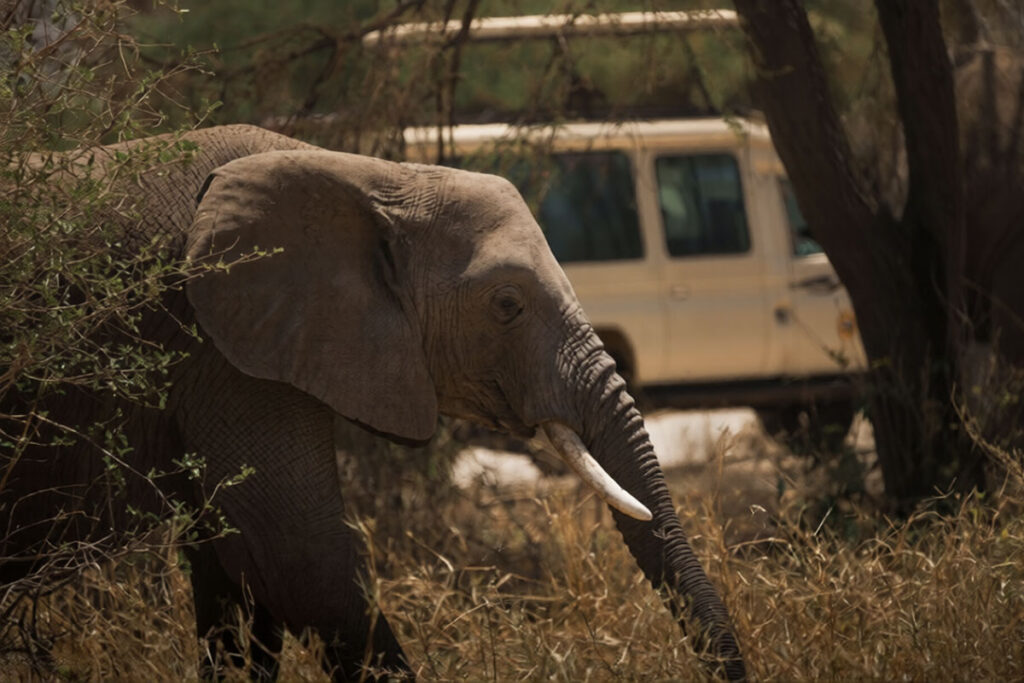
Tarangire National Park is widely recognized for its extraordinary concentration of elephants, making it one of the best places in Africa to observe these majestic animals in large numbers. During the dry season, herds of elephants gather in impressive numbers along the Tarangire River, creating one of the most memorable wildlife spectacles in Tanzania.
The park is also distinguished by its towering baobab trees, which dominate the landscape and give Tarangire a unique and dramatic appearance. These ancient trees, combined with expansive plains and river valleys, create a striking visual identity that sets the park apart from other safari destinations.
Another defining feature of Tarangire is its relatively low visitor numbers compared to other parks in northern Tanzania. This allows for a quieter, more exclusive safari experience, where visitors can enjoy wildlife sightings without heavy traffic or crowds.
Accessibility and Location Advantage
Tarangire National Park is one of the most accessible parks in Tanzania, located approximately 2 hours from Arusha by road. This proximity makes it an ideal destination for short safaris, weekend getaways or as the starting point for longer itineraries.
Its strategic position along the northern safari circuit allows easy combination with other major destinations such as Ngorongoro Crater, Serengeti National Park and Lake Manyara National Park. This makes Tarangire a convenient and logical addition to multi-park safari packages.
The park’s accessibility also means visitors can experience high-quality wildlife viewing without long travel times, making it especially appealing for travelers with limited schedules.
Wildlife in Tarangire National Park
Tarangire National Park is home to an impressive diversity of wildlife, with elephants and buffaloes being the most prominent species. Large herds of elephants are frequently seen moving across the plains or gathering near the river, especially during the dry season.
The park also supports large populations of herbivores such as wildebeests, zebras, gazelles, giraffes, impalas, hartebeests and kudus. These animals are drawn to the park’s water sources and fertile grazing areas, particularly during dry periods.
Predators are also well represented, with lions, cheetahs, hyenas, wild dogs and crocodiles commonly seen near the Tarangire River. Leopards are present but tend to be elusive, often hiding in trees or dense vegetation.
Other species found in the park include hippos, monkeys and a variety of smaller mammals, making Tarangire a well-rounded destination for wildlife enthusiasts.
Birdlife in Tarangire National Park
Tarangire National Park is a birdwatcher’s paradise, with over 500 recorded bird species. The park’s varied habitats, including wetlands, forests and open plains, provide ideal conditions for both resident and migratory birds.
Among the most notable species are the Vulturine guinea fowl and northern pied babbler, which thrive in the park’s dry conditions. Other birds include the yellow-collared lovebird, rufous-tailed weaver, Tawny Eagle, Red and Yellow Barbet, Red-Bellied Parrot, Ashy Starling, African Grey Flycatcher, Ostrich, Pink-Breasted Lark, Northern White-Crowned Shrike, Great White Pelican and Donaldson Smith’s Nightjar.
Birdwatching is especially rewarding between November and July, although sightings are possible throughout the year.
The Tarangire River: Lifeline of the Park
The Tarangire River is the most important feature of the park, providing a reliable source of water throughout the year. During the dry season, when other water sources dry up, the river becomes a gathering point for wildlife from surrounding ecosystems.
Its banks are lined with swamps and lush vegetation, attracting large numbers of animals, including elephants, buffaloes and antelopes. This concentration of wildlife also draws predators, creating dynamic and dramatic safari scenes.
The river not only sustains wildlife but also enhances the overall safari experience by offering consistent and high-quality wildlife viewing opportunities.
Top Activities in Tarangire National Park
Game Drives
Game drives are the primary activity in Tarangire National Park and provide an excellent way to explore its landscapes and wildlife. These drives are conducted in the morning and afternoon, with early morning drives starting at 06:00 am and afternoon drives at around 1:00 pm.
Visitors travel in open-roof 4×4 vehicles, which offer clear views for wildlife observation and photography. During game drives, visitors may encounter elephants, buffaloes, zebras, giraffes, lions, cheetahs, hyenas and various antelope species. Smaller animals such as dik-diks, mongooses and jackals can also be seen.
Night Game Drives
Night game drives provide a unique opportunity to explore the park after dark and observe nocturnal wildlife. These drives run from approximately 6:30 pm to 11:00 pm and require advance booking.
During night safaris, visitors may spot species such as civets, genets, porcupines, bush babies, owls and nightjars. The experience offers a completely different perspective of the park and adds excitement to the safari.
Bird Watching
Bird watching in Tarangire is one of the most rewarding activities for nature enthusiasts. With over 500 species recorded, visitors can enjoy diverse birdlife across different habitats, including wetlands, woodlands and riverbanks.
Early morning birding is particularly productive, offering opportunities to see both resident and migratory species.
Nature Walks
Guided nature walks allow visitors to explore Tarangire on foot, offering a closer look at the park’s ecosystems. These walks are led by experienced rangers and provide insights into animal tracks, plants and smaller wildlife.
Nature walks can also include cultural experiences, such as Maasai-guided tours that provide an understanding of traditional lifestyles and their connection to the land.
Balloon Safaris
Hot air balloon safaris offer a unique aerial view of Tarangire’s landscapes. These flights typically take place in the early morning and last about one hour, providing a breathtaking perspective of wildlife and scenery.
The experience often includes a bush breakfast after landing, making it a memorable addition to any safari itinerary.
Tarangire National Park Entrance Fees and Safari Costs
The cost of visiting Tarangire National Park is based on daily entrance fees charged per person. These fees are set by TANAPA and are valid for 24 hours.
- Foreign Non-Residents: $59 per adult, $18 per child (5–15 years), children under 5 free
- Foreign Residents: $30 per adult, $9 per child
- East African Citizens: 11,800 TZS per adult, 2,360 TZS per child
Additional costs may include vehicle entry fees, accommodation, guide services and optional activities such as night game drives and walking safaris.
Best Time to Visit Tarangire National Park
The best time to visit Tarangire is during the dry season from mid-May to mid-October, when wildlife gathers around water sources, making animals easier to spot.
The rainy season offers lush scenery and fewer tourists, although road conditions may be more challenging.
How to Get to Tarangire National Park
By Road
Tarangire is approximately 2 hours from Arusha by road. The journey is scenic, though some sections near the park may be rough, making a 4×4 vehicle advisable.
By Air
Flights from Arusha or Serengeti take about one hour, with several airlines operating services to nearby airstrips.
Where to Stay in Tarangire National Park
Luxury
- Elewana Tarangire Treetops
- Ecoscience Center & Luxury Lodge
- Ang’ata Tarangire
- Kichuguu Camp
- Acacia Tarangire Luxury
Midrange
- Baobab Tented Camp
- Roika Tarangire Tented Lodge
- Tarangire Simba Lodge
- Boundary Hill Lodge
Budget
- Asmorein Hotel
- Africa Safari Camping
How Long Should You Stay in Tarangire National Park?
Most visitors spend 1 to 2 days in Tarangire, which is enough for game drives and wildlife viewing. However, staying longer allows for a more relaxed experience and participation in additional activities such as night drives and nature walks.
Who Should Visit Tarangire National Park?
Tarangire is ideal for wildlife lovers, birdwatchers, photographers and travelers seeking a quieter safari experience with fewer crowds.
Combine Tarangire with Other Safari Destinations
Tarangire can easily be combined with Serengeti, Ngorongoro and Lake Manyara, creating a diverse and well-rounded safari itinerary.
Plan Your Tarangire National Park Safari
Planning your safari in advance ensures the best experience. With its elephant herds, rich wildlife and scenic landscapes, Tarangire offers one of the most rewarding safari experiences in Tanzania.