
Zanzibar
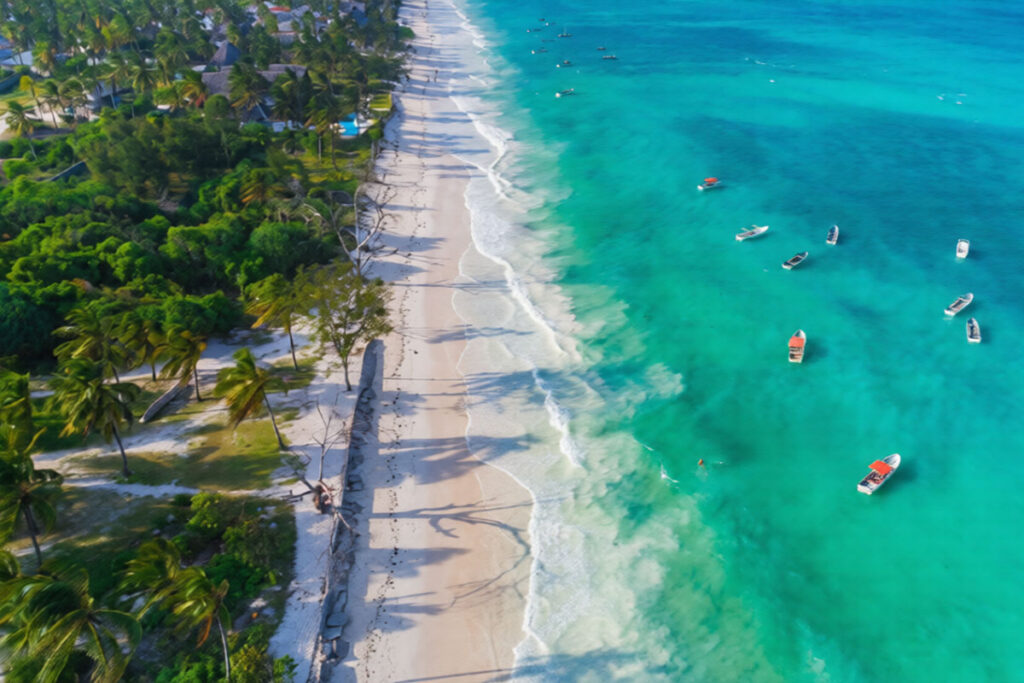
Zanzibar Island, Tanzania: Ultimate Travel Guide, Beaches, Costs, Entry Requirements, Activities & Travel Tips
Zanzibar Island is one of Africa’s most iconic beach destinations, located off the coast of Tanzania in the warm waters of the Indian Ocean. Known for its powdery white sand beaches, turquoise waters, rich Swahili culture and historic Stone Town, Zanzibar offers an exceptional blend of relaxation, culture and adventure. Whether you are planning a honeymoon, a luxury beach escape or a post-safari retreat, Zanzibar Island provides a complete and unforgettable travel experience.
Zanzibar is part of the Zanzibar Archipelago, with Unguja (commonly referred to as Zanzibar Island) being the main island. The island has a long and fascinating history as a center of trade, particularly in spices, ivory and slaves. Today, it is known as the “Spice Island” and remains one of the most culturally diverse destinations in East Africa.
The island combines African, Arab, Indian and European influences, which are reflected in its architecture, cuisine, language and traditions. Zanzibar’s tropical climate makes it a year-round destination, although weather patterns influence the best times to visit.
Location and Accessibility
Zanzibar is located approximately 25 to 50 kilometers off the coast of mainland Tanzania and is easily accessible by both air and sea.
- By Air: Zanzibar International Airport (ZNZ) receives domestic flights from Dar es Salaam, Arusha and Kilimanjaro, as well as international flights from Europe, the Middle East and other African countries.
- By Ferry: High-speed ferries operate daily between Dar es Salaam and Zanzibar, taking approximately 1 hour 20 minutes to 2 hours.
Ferry Costs (Dar es Salaam to Zanzibar)
- Economy Class: USD 35 – USD 60
- Business/VIP Class: USD 60 – USD 100
- Premium Class: USD 80 – USD 120 depending on season and availability
Ferries are a popular option for budget travelers, while flights are preferred for convenience and time-saving.
Zanzibar Entry Requirements and Mandatory Fees
Zanzibar Infrastructure Tax
All visitors staying in Zanzibar are required to pay a daily infrastructure tax directly at their accommodation. This tax supports tourism infrastructure and island development.
- Budget & Mid-range Hotels: USD 2 – USD 4 per person per night
- Luxury Hotels: USD 5 per person per night
This fee is usually paid in cash upon check-in or check-out.
Zanzibar Mandatory Travel Insurance
All visitors to Zanzibar must purchase mandatory inbound travel insurance through the Zanzibar Insurance Corporation (ZIC).
- Cost: USD 44 per person
- Validity: Up to 92 days
- Coverage: Emergency medical treatment, evacuation and travel risks
This insurance is separate from personal travel insurance and must be obtained before arrival.
Visa Requirements for Zanzibar (Tanzania)
Zanzibar follows Tanzania’s visa regulations and most travelers require a tourist visa.
- Tourist Visa: USD 50 for most nationalities
- US Citizens: USD 100 (multiple-entry visa)
- Available online via eVisa or on arrival at the airport
Stone Town – The Cultural and Historical Heart
Stone Town is a UNESCO World Heritage Site and the cultural heart of Zanzibar. It is famous for its labyrinth of narrow streets, intricately carved wooden doors, coral stone buildings and vibrant markets. The town reflects centuries of cultural exchange and trade.
Top Attractions in Stone Town
- House of Wonders: Former sultan’s palace and landmark building
- Old Fort: Historical fort now hosting shops and cultural events
- Freddie Mercury House: Birthplace of the famous musician
- Darajani Market: Local market offering fresh produce and spices
- Forodhani Night Market: Popular evening food market by the sea
Top Beaches in Zanzibar
Northern Beaches (Nungwi & Kendwa)
The northern coast is the most popular area for beach holidays due to minimal tidal variation. Nungwi and Kendwa offer calm waters, vibrant nightlife and excellent swimming conditions throughout the day.
Eastern Beaches (Paje, Jambiani, Matemwe)
The east coast is known for its long stretches of white sand and strong tides. These areas are quieter and ideal for relaxation, kitesurfing and boutique stays.
Southern Coast (Kizimkazi)
Kizimkazi is a peaceful coastal area known for dolphin tours and traditional fishing villages, offering a more authentic local experience.
Best Areas to Stay in Zanzibar
- Nungwi: Best for nightlife, beach activities and swimming
- Kendwa: Ideal for luxury resorts and sunset views
- Paje: Popular for kitesurfing and budget travelers
- Stone Town: Perfect for cultural experiences and short stays
- Matemwe: Quiet and ideal for relaxation and snorkeling trips
Top Activities in Zanzibar
Beach Relaxation
Zanzibar’s beaches are among the best in the world, offering soft white sand, warm waters and peaceful surroundings.
Marine and Ocean Experiences
- Snorkeling at Mnemba Atoll: One of the best reef areas in Zanzibar
- Scuba Diving: Explore coral reefs, tropical fish and marine life
- Dolphin Tours: Swim with dolphins in Kizimkazi
- Deep-Sea Fishing: Catch species such as tuna and marlin
- Sunset Dhow Cruises: Traditional sailing experience at sunset
Spice Tours
Zanzibar is known as the “Spice Island.” Visitors can tour spice farms and learn about cloves, cinnamon, nutmeg and other spices.
Jozani Forest National Park
Jozani Forest is home to the rare Zanzibar red colobus monkey and offers guided walks through mangrove forests and tropical vegetation.
Prison Island (Changuu Island)
Located near Stone Town, this island is famous for its giant Aldabra tortoises and historical ruins.
Zanzibar Transport Costs
Taxi Prices
- Airport to Stone Town: USD 15 – USD 20
- Airport to Nungwi/Kendwa: USD 30 – USD 50
Public Transport
- Dala-Dala (local buses): Around USD 1 per trip
Zanzibar Travel Costs
Accommodation
- Budget: USD 20 – USD 60 per night
- Mid-range: USD 80 – USD 200 per night
- Luxury: USD 300+ per night
Meals
- Local meals: USD 5 – USD 10
- Restaurant meals: USD 10 – USD 40+
Excursions
- Stone Town Tour: USD 20 – USD 50
- Full-Day Tours: USD 100 – USD 250+
Safety and Travel Tips for Zanzibar
- Zanzibar is generally safe but basic precautions should be taken
- Avoid isolated beaches at night
- Respect local culture and dress modestly in towns
- Use licensed guides and tour operators
- Keep valuables secure
Best Time to Visit Zanzibar
Dry Season (June to October & December to February)
This is the best time to visit Zanzibar, offering sunny weather, calm seas and ideal beach conditions.
Wet Season (March to May & November)
The island becomes lush and green but heavy rains may affect outdoor activities and travel plans.
Why Visit Zanzibar?
- World-class beaches with clear turquoise waters
- Rich history and culture in Stone Town
- Perfect combination with Tanzania safaris
- Wide range of marine and adventure activities
- Unique spice and cultural experiences
Who Should Visit Zanzibar?
- Honeymooners and couples
- Beach lovers and relaxation seekers
- Safari travelers looking for a coastal extension
- Adventure travelers and divers
What to Pack for Zanzibar
- Lightweight clothing suitable for tropical weather
- Swimwear and beachwear
- Sunscreen, sunglasses and hat
- Comfortable sandals
- Snorkeling gear (optional)
Health and Travel Information
- Yellow fever vaccination may be required
- Malaria prevention is recommended
- Travel insurance is strongly advised
- Stay hydrated and use sun protection
Final Thoughts
Zanzibar Island offers one of the most complete travel experiences in Africa, combining beautiful beaches, rich culture and exciting activities. Whether you are looking to relax by the ocean or explore the island’s history and marine life, Zanzibar provides a perfect balance of adventure and tranquility.