
Mount Kilimanjaro National Park
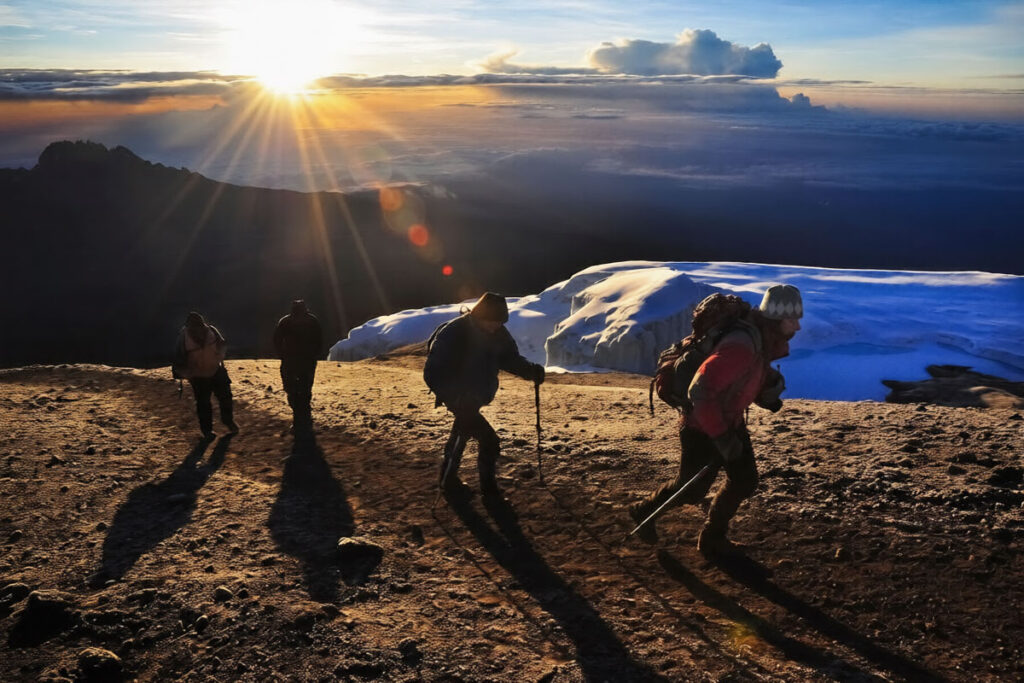
Mount Kilimanjaro National Park: Complete Guide to Climbing, Attractions, Wildlife and Travel Tips
Mount Kilimanjaro National Park is one of Tanzania’s most iconic destinations and home to Africa’s highest mountain, the legendary Mount Kilimanjaro. Rising to 5,896 meters above sea level, this snow-capped giant towers above the surrounding hills and plateaus of northern Tanzania, creating one of the most dramatic natural landmarks on the continent. Often described as the rooftop of Africa, Kilimanjaro is also the tallest stand-alone mountain in the world, drawing climbers, nature lovers, photographers and adventure travelers from across the globe.
Located near Moshi town, Mount Kilimanjaro National Park is carefully managed to preserve its natural beauty while allowing visitors to experience its remarkable landscapes, glaciers, forests and panoramic viewpoints. From scenic day hikes and cultural sites to full summit climbs and wildlife encounters, the park offers far more than just a mountain ascent. Whether you are an experienced trekker aiming for Kibo Peak or a first-time visitor eager to explore the lower slopes, Mount Kilimanjaro promises an unforgettable experience in one of Africa’s most celebrated natural settings.
Why Visit Mount Kilimanjaro National Park?
Mount Kilimanjaro National Park is one of the most rewarding adventure destinations in East Africa because it combines world-famous mountain climbing with scenic beauty, biodiversity and cultural heritage. It is not only the highest point in Africa but also a place where visitors can move through several ecological zones in one journey, from montane forest to alpine desert and icy summit landscapes.
The park also offers breathtaking views over the Maasai grasslands, the Great Rift Valley and even Amboseli National Park in Kenya on clear days. This makes every climb and excursion feel larger than life. For travelers who want more than wildlife safaris, Kilimanjaro adds a different dimension to a Tanzania itinerary by offering challenge, achievement and unforgettable mountain scenery.
What Makes Mount Kilimanjaro National Park Unique
Mount Kilimanjaro National Park stands out for a combination of natural and adventure features found nowhere else in Africa. It is home to the highest mountain on the continent, the tallest free-standing mountain in the world and a summit that can be reached without technical mountaineering on the main trekking routes.
Another unique feature is the mountain’s ecological variety. As climbers ascend, they pass through multiple vegetation zones including cultivated foothills, montane forest, moorland, alpine desert and arctic summit conditions. Few places in the world allow visitors to experience such dramatic environmental change on a single mountain.
Kilimanjaro is also unique because it appeals to different kinds of travelers. Serious trekkers can attempt the summit, while other visitors can enjoy scenic walks, waterfalls, cultural sites, wildlife viewing and mountain landscapes without climbing to the top.
The Peaks of Mount Kilimanjaro
Mount Kilimanjaro is made up of eight distinct peaks, each with its own character, elevation and visual appeal. These peaks contribute to the mountain’s extraordinary geography and make Kilimanjaro one of the most fascinating mountains in the world. Some peaks are suited to trekking, while others are more technically demanding and best left to experienced climbers.
Kibo Peak
Kibo Peak is the most famous and visually striking of all Kilimanjaro’s peaks. Permanently snow-capped despite its location near the Equator, Kibo rises to 5,895 meters and is the highest point on the mountain. Reaching its summit is considered a monumental achievement and is the reason Kilimanjaro is known as the roof of Africa.
For most visitors, Kibo is the ultimate goal of the climb. The journey to its summit is physically demanding but the reward is immense: sunrise above the clouds, sweeping views across East Africa and the satisfaction of standing on the highest mountain in Africa.
Mawenzi Peak
Mawenzi Peak is the second-highest peak on Mount Kilimanjaro, reaching 5,149 meters. It is known for its rugged, dramatic appearance and far more technical terrain than Kibo. Its steep ridges and rocky formations require specialized climbing skills and equipment.
Because of these conditions, Mawenzi is only suitable for experienced climbers with the right expertise and gear. Even for those who do not climb it, the peak adds dramatic beauty to Kilimanjaro’s skyline and contributes to the mountain’s wild and majestic character.
Shira Peak
Shira Peak was once the tallest peak on Mount Kilimanjaro before collapsing approximately 750 years ago. Today it stands at 3,962 meters and remains one of the most scenic parts of the mountain. The collapse of this peak created the Shira Plateau, a vast high-altitude area known for magnificent views and fascinating landscapes.
The plateau’s open grasslands attract wildlife such as buffaloes, elephants, elands and different types of monkeys, which use the area for feeding and salt licking. Shira also features notable landmarks such as the Cathedral and the Needle, both of which can be explored during day excursions. For many hikers, the Shira area is one of the most memorable parts of the mountain because of its dramatic scenery and wide-open views.
Other Major Attractions in Mount Kilimanjaro National Park
Although the peaks are the park’s main draw, Mount Kilimanjaro National Park offers a number of additional attractions that enrich the visitor experience. These features make the park rewarding not only for summit climbers but also for travelers interested in culture, nature and scenic excursions.
Montane Forest
The montane forest zone surrounding Mount Kilimanjaro is one of the park’s most beautiful and ecologically important attractions. Located between 1,800 and 2,800 meters, this lush forest wraps around the mountain and contributes significantly to Kilimanjaro’s beauty.
It is home to diverse plant species, including the endemic Impatiens kilimanjari and plays a critical role in sustaining life in the surrounding region. Remarkably, 96% of the water in this area originates from the montane forest zone. Even for visitors not aiming to climb the summit, exploring this forest is a rewarding experience because of its rich vegetation, fresh mountain atmosphere and potential wildlife sightings.
Kifinika Cultural Sites
Kifinika Cultural Sites are historically significant ritual grounds for the Maasai and Chagga people. Found along the Marangu route, these sites provide valuable insight into the traditions, rituals and historical life of the communities that have long lived around Mount Kilimanjaro.
For visitors interested in culture as well as nature, Kifinika adds depth to a Kilimanjaro visit by connecting the mountain’s natural landscape with the human heritage of the region.
Lake Chala
Although Lake Chala lies outside the park, it is considered a worthwhile excursion before or after a Mount Kilimanjaro adventure. Located about 30 minutes from Himo town, this beautiful lake is fed by underground streams connected to Kilimanjaro.
Its peaceful scenery makes it a relaxing contrast to the physical demands of mountain hiking and many travelers find it an ideal way to begin or end their Kilimanjaro journey.
Waterfalls
Mount Kilimanjaro features two notable waterfalls along the Marangu route, both of which add scenic beauty to the hiking experience.
Marangu Waterfall is located about 1 kilometer along the Marangu route and offers a picturesque stop within the thick montane forest. Lauwo Waterfall, found 2.8 kilometers along the same route, is another beautiful natural feature surrounded by lush vegetation. These waterfalls are excellent additions for day hikers and visitors who want to enjoy Kilimanjaro’s lower slopes without attempting a full climb.
Maundi Crater
Maundi Crater is one of the most scenic viewpoints in the Kilimanjaro region. Located just 15 minutes past Mandara Hut along the Marangu route, it offers sweeping views of the surrounding lakes and landscapes.
From the crater, visitors can enjoy a bird’s-eye perspective over Lake Chala, Lake Jipe and Nyumba ya Mungu. It is a rewarding short excursion for hikers who want impressive views without climbing higher altitudes.
Wildlife in Mount Kilimanjaro National Park
Mount Kilimanjaro National Park is not only a climbing destination but also an important wildlife habitat. The mountain supports an impressive range of animals across its different ecological zones, making a visit to the park rewarding for wildlife enthusiasts as well as trekkers.
The park is home to 25 species of antelopes, 140 different types of mammals, 7 species of primates, 24 different bats, 179 bird species and 25 carnivores. Notable wildlife includes buffaloes, elephants, elands, black-and-white colobus monkeys, blue monkeys, duikers and the small mammal Myosorex zinki.
This biodiversity means that a Kilimanjaro hike is also a journey through varied habitats filled with animal life. From forest primates in the lower zones to birds and mammals adapted to higher elevations, wildlife adds another layer of richness to the mountain experience.
Top Activities in Mount Kilimanjaro National Park
Mount Kilimanjaro National Park offers a wide range of activities that go beyond the summit climb. These experiences cater to different interests and fitness levels, making the park suitable for trekkers, photographers, wildlife lovers and cultural travelers alike.
Mountain Climbing
Mountain climbing is the most popular activity in Mount Kilimanjaro National Park and the main reason many travelers visit the area. Climbers follow six main trails leading toward the summit of Kibo Peak, with each route offering a different combination of scenery, challenge and duration.
The cost of climbing ranges from $1,000 to $7,000, depending on the route selected and the level of service included.
Marangu Route is often considered the easiest trail and is sometimes called the “Coca-Cola route.” It is suitable for less experienced climbers and usually takes 5 to 6 days to reach the summit.
Machame Route is ideal for those who value scenic beauty. It is more strenuous than Marangu but rewards climbers with exceptional views, with daily hiking times ranging from 3 to 8 hours.
For visitors with less time, shorter day trips and overnight hikes are also available, allowing more people to experience Kilimanjaro’s beauty even if they do not attempt the summit.
Wildlife Viewing
Wildlife viewing is another rewarding activity in Mount Kilimanjaro National Park, especially in the lower forest zones where animal life is most abundant. Under the guidance of an armed ranger, visitors can explore the park daily from 8:00 AM to 7:00 PM.
Commonly sighted animals include buffaloes, elephants, elands, black-and-white colobus monkeys, blue monkeys, duikers and Myosorex zinki. However, because even the lower slopes are significantly above sea level, wildlife viewing is not recommended for people who suffer from altitude sickness.
Paragliding
Paragliding on Mount Kilimanjaro offers an exhilarating way to experience the world’s tallest free-standing mountain. This activity allows participants to soar above the landscape and enjoy a perspective that is impossible to achieve on foot.
For adventurous travelers, paragliding adds a thrilling and memorable dimension to a Kilimanjaro safari.
Crater Camping
Crater camping gives visitors the opportunity to experience Mount Kilimanjaro’s nighttime environment in a unique way. This activity allows campers to spend the night in the crater region and visit the distinctive bench-shaped glaciers that are exclusive to Kilimanjaro.
It is a rare and special experience for travelers who want to appreciate the mountain’s icy summit environment more deeply.
Filming
Mount Kilimanjaro has long attracted filmmakers and photographers because of its iconic scenery and dramatic natural beauty. One of the most famous productions associated with the mountain is The Snows of Kilimanjaro (1952), which won two Oscars.
Filming in the park costs $250 per person per day and this fee includes camping, conservation and filming permits. For photography and media crews, Kilimanjaro provides one of the most visually powerful backdrops in East Africa.
Cycling
Cycling in Mount Kilimanjaro National Park is another exciting way to explore the area. Guided by a ranger, cyclists can choose between two main routes: the Kilema Route and the Shira Plateau.
Cycling activities run from 8:00 AM to 6:30 PM and the routes include picnic sites and resting points to improve the experience. This activity is ideal for visitors who want to explore the park actively while enjoying sightseeing along the way.
Mount Kilimanjaro Climbing Routes Overview
One of the most important decisions when planning a Kilimanjaro adventure is choosing the right climbing route. Each trail offers a different balance of scenery, acclimatization, comfort and challenge. The best route depends on your fitness, hiking experience, budget and how much time you have available.
Marangu Route
The Marangu Route is often called the “Coca-Cola route” and is widely known as the easiest path to the summit. It typically takes 5 to 6 days and is popular with first-time climbers because of its gradual ascent and hut accommodation.
Machame Route
The Machame Route is one of the most scenic trails on Kilimanjaro. It is more physically demanding than Marangu but many climbers choose it for its beautiful landscapes and rewarding acclimatization profile. Daily hiking times usually range from 3 to 8 hours.
Lemosho Route
The Lemosho Route is favored for its scenic beauty, quieter start and strong acclimatization profile. It allows climbers to approach the mountain from the western side and usually offers a longer trek, giving the body more time to adjust to altitude.
Rongai Route
The Rongai Route approaches Kilimanjaro from the northern side and is often preferred by climbers looking for a drier and less crowded ascent. It offers a different perspective of the mountain and is considered a good option during wetter periods.
Northern Circuit
The Northern Circuit is one of the longest routes on Kilimanjaro and is often chosen by climbers who want more time for acclimatization and a quieter trail. Because of its length, it provides a more gradual ascent and is attractive to those who want to improve their summit chances.
Umbwe Route
The Umbwe Route is known for being steep, direct and more challenging than the other main routes. It is best suited to experienced hikers who are comfortable with a demanding ascent and a faster gain in altitude.
Kilimanjaro Difficulty Level and Summit Success
Climbing Mount Kilimanjaro is a major adventure but it is important to understand that the mountain is non-technical yet physically demanding. This means that most standard summit routes do not require technical climbing skills, ropes or mountaineering experience but they do require endurance, mental determination and careful preparation.
The biggest challenge on Kilimanjaro is not technical climbing but altitude. Long walking days, cold summit temperatures and the effects of reduced oxygen make the trek more demanding as you go higher. This is why route choice and acclimatization are so important.
Success on Kilimanjaro depends heavily on giving your body enough time to adjust. Longer routes generally improve summit chances because they allow better acclimatization, while shorter itineraries can be more difficult even for physically fit trekkers.
Altitude Sickness and Acclimatization on Kilimanjaro
Altitude is one of the most important factors to understand when planning a Kilimanjaro climb. As you ascend, the air becomes thinner and oxygen levels decrease, which can lead to altitude sickness if the body does not acclimatize properly.
Common symptoms of altitude sickness include headaches, nausea, dizziness, fatigue, shortness of breath and poor sleep. For this reason, climbers are strongly encouraged to choose routes that allow more time for acclimatization and to listen carefully to their guides throughout the climb.
The principle of “climb high, sleep low” is often important on mountain treks because it helps the body adjust more gradually. Going slowly, staying hydrated, eating well and choosing a route with more acclimatization time all improve the chances of a safer and more successful summit attempt.
Mount Kilimanjaro Park Fees and Permit Costs
In addition to the overall climbing cost, every Kilimanjaro trek includes official park-related charges. These fees are part of the reason climbing packages vary in price and are essential for conservation, mountain rescue readiness and park management.
Conservation Fees
All climbers entering Mount Kilimanjaro National Park are required to pay conservation fees. These support the protection of the mountain’s ecosystems, trails and wildlife habitats.
Camping and Hut Fees
Depending on the route chosen, visitors will either camp on the mountain or stay in huts. Camping routes include separate camping-related costs, while hut-based routes such as Marangu include hut accommodation fees as part of the climb.
Rescue Fees
Rescue fees are also part of Kilimanjaro climbing costs. These fees help support emergency response systems on the mountain and are an important part of safe trekking operations.
Because route choice, duration, accommodation style and included services vary from one package to another, the total cost for a Kilimanjaro climb generally ranges from $1,000 to $7,000. Travelers should always confirm what is included in their specific package before booking.
What to Pack for Mount Kilimanjaro National Park
Preparing properly for Kilimanjaro is essential for comfort, safety and summit success. Because climbers pass through several ecological zones and temperature ranges, packing the right gear is one of the most important parts of planning the trip.
Clothing and Layering
Layered clothing is essential on Kilimanjaro because temperatures vary widely from the warm lower slopes to the freezing summit zone. Base layers, insulating layers and a warm outer shell help climbers stay comfortable in changing conditions.
Footwear
Strong hiking boots with good ankle support are one of the most important items for a Kilimanjaro climb. Proper footwear helps manage rough terrain, long hiking days and wet or rocky sections of trail.
Rain and Cold-Weather Protection
A waterproof rain jacket is important because weather can change quickly on the mountain. Warm gloves, a hat and additional cold-weather gear are also necessary, especially for summit night when temperatures drop significantly.
Sleeping and Personal Gear
Depending on the route, climbers may need a suitable sleeping bag for cold mountain nights. Other useful items include a daypack, reusable water bottles or hydration systems, headlamp, sunscreen, sunglasses and personal toiletries.
Where to Stay in Mount Kilimanjaro National Park
Accommodation in Mount Kilimanjaro National Park is generally included in the hiking fee, especially for climbers ascending the mountain on the main trekking routes. Huts and camps are available at different stopover points, providing basic but essential shelter during the climb.
Some of the notable accommodation options on the mountain include Kilema Camp, Horombo Huts and Kibo Hut. These facilities provide rest and overnight support for hikers, helping ensure a safer and more comfortable ascent.
Because accommodation is built into many climbing packages, visitors can focus more easily on route selection, preparation and the overall trekking experience.
Best Time to Visit Mount Kilimanjaro National Park
The best time to visit Mount Kilimanjaro National Park depends largely on the weather and the type of experience you want. While climbing is possible throughout the year, the dry seasons are generally the most favorable for hiking and sightseeing.
The best months are from June to October and from December to March, when drier conditions make the climb easier and trails more manageable. These periods usually offer better visibility and more comfortable trekking conditions.
The rainy seasons occur in April, May and November and are characterized by heavier rainfall. However, weather patterns have become more unpredictable due to global warming, so it is advisable to check current forecasts and conditions before planning your trip.
How to Get to Mount Kilimanjaro National Park
Mount Kilimanjaro National Park can be accessed through both Moshi and Arusha, making it relatively convenient for travelers on a northern Tanzania itinerary. The mountain’s accessibility is one of the reasons it remains so popular among international visitors.
By Road
Traveling by road is the most common way to reach the park. From Arusha town, the trip covers about 123 kilometers and takes approximately 2 hours. From Moshi, it is around 48 kilometers and takes about 1 hour to reach Marangu, the park headquarters.
The roads are generally in good condition, although they become rougher closer to the mountain, a ride many travelers jokingly describe as the “African Massage.” A 4×4 vehicle is recommended and rental costs typically range from $200 to $350 per day, excluding the driver’s allowance.
By Air
Air travel to Mount Kilimanjaro National Park is available through scheduled or chartered flights arriving at Kilimanjaro International Airport or Arusha. Airlines that operate in connection with the park include Coastal Aviation, Air Tanzania, Zan Air and Precision Air.
After arrival, visitors still need road transport to reach the park headquarters. The distance from Kilimanjaro International Airport to Marangu is about 86 kilometers and takes roughly 1.5 hours by road.
How Long Should You Spend in Mount Kilimanjaro National Park?
The ideal duration of a visit depends on the activity you choose. Summit climbs usually require multiple days, with Marangu taking 5 to 6 days and other routes varying according to itinerary. Scenic and physically demanding routes such as Machame often require more time to complete comfortably.
For visitors not attempting the summit, day trips, shorter hikes, wildlife viewing and cultural visits can still provide a meaningful experience. This flexibility makes Mount Kilimanjaro attractive to both serious climbers and general safari travelers.
Who Should Visit Mount Kilimanjaro National Park?
Mount Kilimanjaro National Park is ideal for trekkers, adventure travelers, photographers, birdwatchers and anyone drawn to dramatic mountain scenery. It appeals both to seasoned climbers aiming for the summit and to first-time adventurers who want to experience the lower slopes, forests, waterfalls and viewpoints.
Because the park offers a range of activities beyond mountain climbing, it is suitable for travelers with different interests and fitness levels, provided they prepare appropriately for altitude and route conditions.
Combine Mount Kilimanjaro with Other Safari Experiences
Mount Kilimanjaro can be combined with other northern Tanzania safari highlights to create a diverse and unforgettable itinerary. Its proximity to Moshi, Arusha and major parks makes it easy to pair with wildlife destinations such as Tarangire, Lake Manyara, Ngorongoro and Serengeti.
Visitors can also enjoy views toward Amboseli National Park in Kenya, the Great Rift Valley and the Maasai grasslands, adding scenic depth to the overall journey. This makes Kilimanjaro not only a climbing destination but also an excellent component of a broader East African safari experience.
Plan Your Mount Kilimanjaro National Park Adventure
Planning ahead is essential for a successful Mount Kilimanjaro experience. Choosing the right season, route and activity type will help ensure that your visit matches your goals, whether that means reaching the summit, exploring the forest or enjoying cultural and scenic excursions.
With its snow-capped peak, rich biodiversity, iconic climbing routes, waterfalls, cultural sites and unforgettable views, Mount Kilimanjaro National Park remains one of Africa’s greatest adventure destinations and one of the most inspiring places to visit in Tanzania.