
Kibale Forest National Park
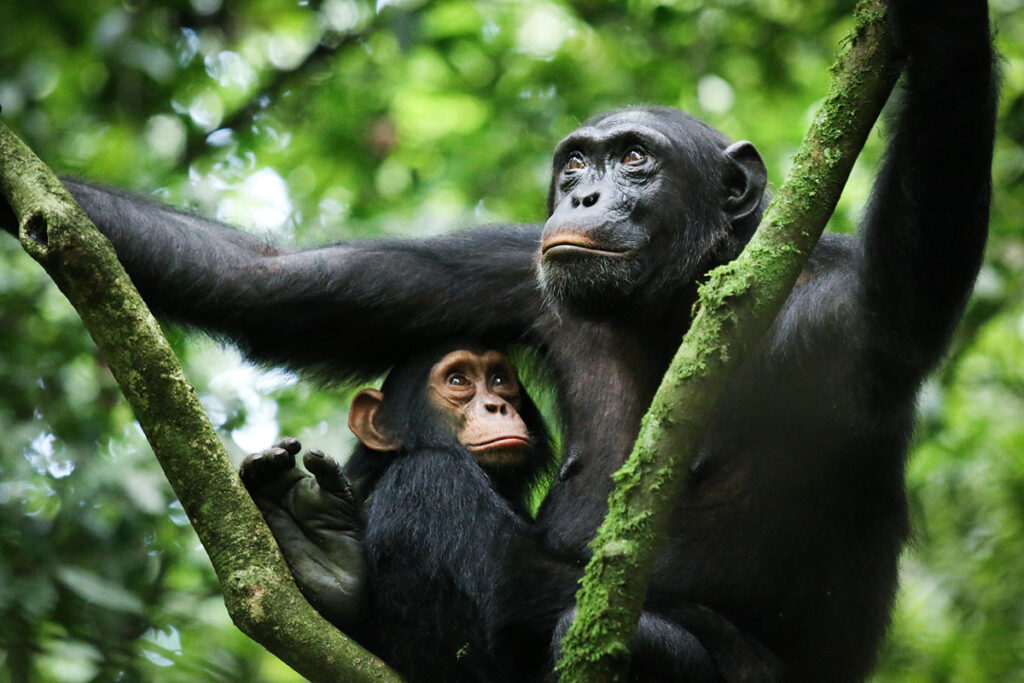
Kibale Forest National Park, Uganda: Ultimate Guide to Chimpanzee Tracking, Wildlife, Birding, Costs & Travel Tips
Kibale Forest National Park is one of Uganda’s most exceptional природ destinations, located in western Uganda near Fort Portal and at the foothills of the Rwenzori Mountains. Widely known as the “Primate Capital of the World,” Kibale Forest National Park offers one of the best chimpanzee tracking experiences in Africa, combined with rich biodiversity, scenic landscapes and immersive rainforest adventures. Covering approximately 795 square kilometers, the park is a haven for nature lovers, primate enthusiasts, birdwatchers and travelers seeking an authentic African forest safari experience.
With over 1,450 chimpanzees, more than 350 tree species, 71 mammal species and over 370 bird species, Kibale stands out as one of the most biodiverse ecosystems in East Africa. The park’s dense tropical rainforest, interspersed with wetlands and grassland clearings, creates an ideal environment for wildlife and offers visitors a truly immersive jungle experience unlike the traditional savanna safari.
Kibale Forest National Park was first gazetted as a forest reserve in the 1940s before being upgraded to national park status to protect its rich biodiversity. Today, it plays a critical role in conservation efforts, particularly for primates and forest ecosystems in Uganda.
The park is part of a larger ecosystem that includes nearby Queen Elizabeth National Park, forming a wildlife corridor that supports species movement between forest and savanna habitats. The surrounding region is also characterized by scenic crater lakes and lush tea plantations, adding to the park’s overall appeal as a travel destination.
Landscape and Ecosystems
Kibale’s landscape is a mix of dense tropical rainforest, wetlands, grasslands and riverine ecosystems. This diversity allows for a wide range of plant and animal species to thrive.
- Tropical rainforest: Dominant habitat, home to primates and birdlife
- Wetlands: Found in areas like Bigodi, rich in biodiversity
- Grasslands: Support grazing animals and bird species
- Crater lakes region: Scenic landscapes surrounding the park
Wildlife in Kibale Forest National Park
Chimpanzees and Primate Diversity
Chimpanzees are the main attraction in Kibale Forest National Park. These highly intelligent primates share approximately 98% of their DNA with humans, making encounters both fascinating and emotional. During chimpanzee tracking, visitors can observe their complex social behaviors, including grooming, communication, feeding and play.
In addition to chimpanzees, Kibale hosts the highest concentration of primates in East Africa. Other species include red colobus monkeys, black-and-white colobus monkeys, L’Hoest’s monkeys, vervet monkeys and baboons. This diversity makes the park a dream destination for primate lovers.
Other Mammals
Although primates dominate the park, Kibale is also home to other mammals such as forest elephants, buffaloes and giant forest hogs. These animals are more difficult to spot due to the dense vegetation but contribute to the park’s rich ecosystem.
Birding in Kibale Forest National Park
Kibale National Park is a birdwatcher’s paradise, with over 370 bird species recorded. The park is especially important for bird species endemic to the Albertine Rift region, making it a key destination for serious birders.
Birding Experience
Birdwatching in Kibale is best done with experienced guides who can help identify species by sight and sound. The forest canopy, understory and wetland areas each offer unique birding opportunities.
Notable Bird Species
- African pitta and green-breasted pitta
- Great blue turaco
- Black bee-eater
- Blue-headed sunbird
- Kibale ground thrush
- Crowned eagle
Top Activities in Kibale Forest National Park
Chimpanzee Tracking
Chimpanzee tracking is the highlight of Kibale National Park and one of the most rewarding wildlife experiences in Uganda. Guided by professional rangers, visitors trek through the forest in search of habituated chimpanzee groups. Once located, visitors are allowed to spend one hour observing them at close range.
The experience is both exciting and educational, offering insights into chimpanzee behavior and conservation efforts. The high success rate of sightings makes Kibale one of the best places in Africa for this activity.
Chimpanzee Habituation Experience
For those seeking a deeper experience, the chimpanzee habituation experience allows visitors to spend extended time with chimpanzees that are still becoming accustomed to human presence. This full-day activity offers a rare opportunity to observe researchers at work and gain a deeper understanding of primate conservation.
Nature Walks
Nature walks in Kibale provide a peaceful way to explore the forest. These guided walks focus on plant species, smaller wildlife and the overall ecosystem, making them ideal for travelers interested in ecology and photography.
Night Walks
Night walks offer a completely different perspective of the forest, revealing nocturnal species such as bushbabies, pottos and various insects. This activity adds depth to the safari experience.
Birdwatching
Birding tours in Kibale are highly rewarding, especially in areas like Sebitoli and Bigodi Wetland Sanctuary. The diversity of habitats ensures a wide range of species.
Chimpanzee Tracking Permit Costs in Kibale
- Chimpanzee Tracking: USD 250 per person
- Chimpanzee Habituation Experience: USD 300 per person
Permits include ranger guide services and one hour with chimpanzees for standard tracking. Due to high demand, permits should be booked in advance.
Bigodi Wetland Sanctuary
Bigodi Wetland Sanctuary is a community-managed conservation area located just outside Kibale National Park. It is known for its rich biodiversity and offers an excellent complement to chimpanzee tracking.
Guided walks through the wetland allow visitors to spot primates, birds and unique plant species. The sanctuary is also a great place to experience local culture, as it supports community-based tourism initiatives.
Accommodation in Kibale National Park
Accommodation around Kibale ranges from luxury lodges to budget-friendly options, allowing travelers to choose based on comfort and budget.
Luxury Lodges
- Kyaninga Lodge – Overlooking a scenic crater lake
- Ndali Lodge – Offers views of the Rwenzori Mountains
- Papaya Lake Lodge – Combines comfort with natural beauty
Mid-Range Lodges
- Turaco Treetops
- Primate Lodge Kibale
- Isunga Lodge
Budget Options
- Kibale Forest Camp
- Chimpanzee Forest Guesthouse
- Community lodges near Bigodi
Best Time to Visit Kibale National Park
Dry Season
The dry months from June to September and January to February are the best for chimpanzee tracking, as trails are easier to navigate and wildlife is more active.
Wet Season
The wet season brings lush greenery and excellent birdwatching opportunities, although trekking conditions can be more challenging.
How to Get to Kibale National Park
By Road
Kibale can be reached from Kampala via Fort Portal, with the journey taking approximately 5–6 hours. The route offers scenic views of Uganda’s countryside.
By Air
Domestic flights to Kasese or Nyakisharara airstrips provide quicker access to the park.
Why Visit Kibale National Park?
- Best chimpanzee tracking destination in Uganda
- Highest concentration of primates in East Africa
- Rich biodiversity and birdlife
- Unique forest safari experience
Who Should Visit Kibale?
- Primate enthusiasts
- Birdwatchers
- Nature lovers
- Travelers combining multiple safari destinations
Travel Tips
- Wear sturdy hiking boots
- Carry insect repellent
- Book permits early
- Follow ranger instructions
Final Thoughts
Kibale Forest National Park offers one of the most immersive wildlife experiences in Uganda. Its rich primate diversity, lush rainforest and unique activities make it a must-visit destination for anyone planning a safari in East Africa.