
Bird Watching in East Africa
Bird Watching in East Africa: Complete Guide to Top Birding Destinations in Uganda, Kenya and Tanzania
Bird watching in East Africa is one of the most rewarding and immersive wildlife experiences on the continent, offering an extraordinary diversity of bird species across a wide range of habitats. From vast savannahs and dense tropical forests to wetlands, lakeshores, mountains and coastal ecosystems, East Africa provides ideal conditions for both resident and migratory birds to thrive. With over a thousand recorded species across the region, birding here is not just an activity—it is a journey into one of the richest avian landscapes in the world.
While East Africa is globally known for iconic wildlife safaris, it is equally a paradise for bird enthusiasts. Whether you are a seasoned birder or a curious traveler seeking a deeper connection with nature, the region offers endless opportunities to observe rare, endemic and colorful species in their natural environments. Uganda, Kenya and Tanzania stand out as the leading destinations, each offering unique ecosystems and unforgettable birding experiences.
Why East Africa Is a Top Destination for Bird Watching
East Africa’s exceptional birding reputation is built on its incredible ecological diversity. The region hosts a variety of habitats within relatively short distances, allowing bird watchers to experience multiple ecosystems in a single trip. From papyrus swamps and freshwater lakes to montane forests and dry savannah plains, each environment supports a distinct range of bird species.
Another key factor that makes East Africa outstanding for birding is its seasonal variation. Migratory birds from Europe and other regions arrive between November and April, significantly increasing species diversity during this period. This seasonal movement, combined with a strong presence of endemic and resident species, ensures that bird watching in East Africa remains exciting throughout the year.
Additionally, the availability of experienced bird guides, well-established national parks and accessible birding routes makes it easier for visitors to maximize their sightings and enjoy a fulfilling birding safari.
Highlights of East African Birdlife
The birdlife of East Africa is remarkably diverse, showcasing a wide spectrum of species with unique behaviors, colors and ecological roles. Bird watchers can encounter everything from large ground-dwelling birds like the Ostrich and Kori Bustard to small, vibrant species such as the Blue-headed Sunbird and Karamoja Apalis.
Notable species across the region include Fox’s Weaver, Neumann’s Warbler, Rwenzori Turaco, Forest Flycatchers, White-Naped Pigeons, Abyssinian Roller, Abyssinian Scimitar Bill, D’ Arnaud’s Barbet, Golden Pipit, Pygmy Falcon, Northern Carmine Bee Eater and Dark Chanting Goshawk. Each of these birds contributes to the region’s rich avian tapestry, offering birders endless opportunities for observation and photography.
The diversity of bird species also reflects the region’s varied habitats, with each environment supporting specialized birds adapted to specific ecological conditions.
Tropical Islands: Hidden Birding Treasures
East Africa’s tropical islands are often overlooked in favor of mainland safari destinations, yet they offer some of the most peaceful and rewarding birding experiences. Surrounded by pristine waters and lush vegetation, these islands provide a sanctuary for a variety of bird species that thrive in coastal and forest habitats.
Bird watchers can enjoy sightings of species such as White-Naped Pigeons and Abyssinian Rollers, while also experiencing the tranquility of less crowded environments. These locations are perfect for travelers seeking a more relaxed and intimate birding experience away from busy safari routes.
Bird Watching in Uganda: A Birder’s Paradise
Uganda is widely regarded as one of the best birding destinations in Africa, boasting an impressive 1,010 bird species. This remarkable diversity is supported by the country’s wide range of ecosystems, including forests, wetlands, lakeshores, rivers and mountainous regions.
Birding in Uganda is concentrated in national parks and areas around Lake Victoria and the River Nile, where rich habitats attract a wide variety of species. The country’s location within the Albertine Rift further enhances its importance, as it is home to several endemic bird species found nowhere else in the world.
Birding in Bwindi Impenetrable National Park
Bwindi Impenetrable National Park is internationally recognized for its mountain gorillas but it is equally significant as a birding destination. The park hosts over 350 bird species, many of which are forest specialists.
Among these are 15 species unique to Bwindi, including Neumann’s Warbler and the Blue-headed Sunbird. Its location in the Albertine Rift makes it particularly attractive for birders seeking endemic species. The presence of migratory birds between November and April further enhances the birding experience, making Bwindi a must-visit destination.
Birding in Kibale Forest National Park
Kibale Forest National Park is known as the primate capital of the world but it also offers exceptional birding opportunities with approximately 370 recorded species. The park’s dense forest environment supports a variety of birds, including Albertine Rift endemics such as Nathan’s Francolin, Cassin’s Spinetail, Blue-headed Bee-eater and Masked Apalis.
The nearby Bigodi Wetland Sanctuary complements the forest birding experience by providing additional sightings in a wetland setting, making Kibale one of the most diverse birding areas in Uganda.
Birding in Murchison Falls National Park
Murchison Falls National Park is not only famous for its powerful waterfall but also for its impressive birdlife, with over 450 species recorded. The park’s varied habitats support both forest and water birds, offering diverse birding opportunities.
A major highlight is the chance to spot the elusive Shoebill Stork during a boat cruise toward Lake Albert. Other species include Kingfishers, Abyssinian Ground Hornbills, Herons, Cuckoos and Woodpeckers, making the park a top birding destination.
Birding in Queen Elizabeth National Park
Queen Elizabeth National Park is another key birding destination, hosting over 450 bird species. The Kazinga Channel is particularly rewarding for bird watchers, offering sightings of aquatic birds and the rare Shoebill Stork.
Notable species include Rwenzori Turaco, African Broadbill, Martial Eagle and Pink-backed Pelican. The park’s combination of wetlands, forests and savannah supports a wide variety of birdlife.
Birding in Kidepo Valley National Park
Kidepo Valley National Park is one of Uganda’s most remote yet rewarding birding destinations, with over 450 species recorded. It is particularly known for species unique to the region, including Ostrich, Abyssinian Roller, Golden Pipit and Karamoja Apalis.
The park’s open savannah landscapes provide excellent visibility, making bird watching both enjoyable and productive.
Birding in Lake Mburo National Park
Lake Mburo National Park offers a peaceful birding experience with around 310 species. Its lakes and wetlands attract water birds such as the Grey Crowned Crane, while the surrounding savannah supports species like Bateleur and Bustards.
Bird Watching in Kenya: A Diverse Birding Experience
Kenya is one of Africa’s top birding destinations, offering diverse habitats that support a wide range of bird species. The country holds a remarkable record of observing 342 bird species within 12 hours, demonstrating its incredible birding potential.
Kenya’s landscapes include lakes, forests, savannahs and coastal regions, each contributing to its rich avian diversity.
Lake Nakuru National Park
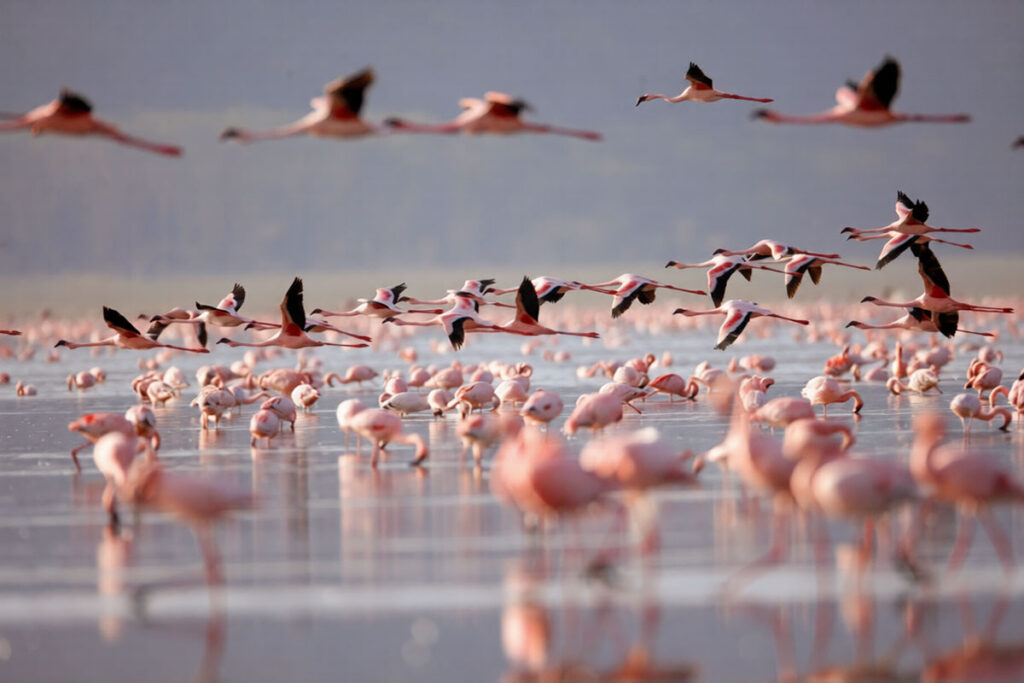
Lake Nakuru is famous for its flamingoes and supports over 450 bird species. It is also home to pelicans, eagles and rare species such as the Madagascar Squacco Heron.
Lake Bogoria
Lake Bogoria offers spectacular flamingo displays and supports around 350 bird species. Its unique ecosystem provides excellent birding opportunities.
Lake Naivasha
Lake Naivasha hosts over 400 species and is known for its large population of African Fish Eagles, as well as Goliath Herons and Kingfishers.
Masai Mara Game Reserve
The Masai Mara is home to about 500 bird species, including raptors, Secretary Birds and colorful rollers, making it ideal for specialist birding safaris.
Samburu and Tsavo National Parks
Samburu and Tsavo offer diverse birding experiences, including sightings of rare species such as the Somali Ostrich and Taita Falcon, along with many migratory birds.
Bird Watching in Tanzania: Africa’s Leading Birding Destination
Tanzania stands out as one of the top birding destinations in Africa, with over 1,100 recorded species. The country’s diverse ecosystems and large protected areas provide excellent conditions for bird watching throughout the year.
Lake Manyara National Park
Lake Manyara hosts around 400 bird species, including flamingoes, pelicans and hornbills. The park offers excellent opportunities to observe a wide range of birds in a single day.
Ngorongoro Conservation Area
The Ngorongoro Conservation Area supports around 500 bird species, including migratory flamingoes and raptors, making it a key birding destination.
Serengeti National Park
Serengeti National Park hosts over 500 bird species, including Ostriches, Silverbirds and various birds of prey, offering birding alongside classic wildlife safaris.
Tarangire National Park
Tarangire is known for its dry-country bird species, including Vulturine Guinea Fowl and Yellow-collared Lovebird, with around 500 species recorded.
Best Time for Bird Watching in East Africa
The best time for bird watching in East Africa depends on what you want to experience but birding is rewarding throughout the year. The most favorable conditions occur during the dry seasons from December to February and June to September. During these months, vegetation is less dense, making it easier to spot birds and access to national parks, wetlands and forests is more reliable.
For those seeking the highest diversity, the migratory bird season in East Africa from November to April is particularly exciting. During this period, migratory birds from Europe and other regions join resident species, significantly increasing the number of birds you can observe. Wetlands, lakeshores and open savannahs become especially active, offering excellent opportunities for sightings and photography.
Although the rainy seasons can make some areas more challenging to access, they also bring lush landscapes and active birdlife. Many species are in breeding plumage during this time, making it a rewarding period for experienced birders looking for unique behavior and vibrant colors.
Who Should Go Bird Watching in East Africa?
Bird watching in East Africa is suitable for both experienced birders and beginners. With over a thousand bird species across Uganda, Kenya and Tanzania, the region offers one of the richest birding experiences in the world.
This activity is ideal for nature lovers, wildlife photographers, safari travelers and conservation enthusiasts. Guided birding tours make it easy to identify species and understand their habitats, even for those new to bird watching.
For travelers who prefer a slower and more immersive experience, birding provides a peaceful way to explore nature. It allows you to focus on details, observe bird behavior and enjoy habitats that are often overlooked during traditional game drives.
Combine Bird Watching with Other Safari Experiences in East Africa
One of the biggest advantages of bird watching in East Africa is how easily it can be combined with other safari activities. Many of the region’s top birding destinations are located within or near national parks known for wildlife viewing.
Travelers can combine bird watching with wildlife game drives, where sightings of elephants, lions and other iconic animals complement the experience. In Uganda and Rwanda, birding can also be paired with gorilla trekking and chimpanzee tracking, creating a unique combination of primates and birdlife.
Cultural experiences can be added to the itinerary, allowing visitors to interact with local communities while exploring natural environments. This creates a well-rounded safari that highlights the diversity of East Africa’s landscapes, wildlife and culture.
By combining bird watching with other activities, travelers can enjoy a richer and more memorable journey across East Africa.