
Mountain Climbing and Hiking in East Africa
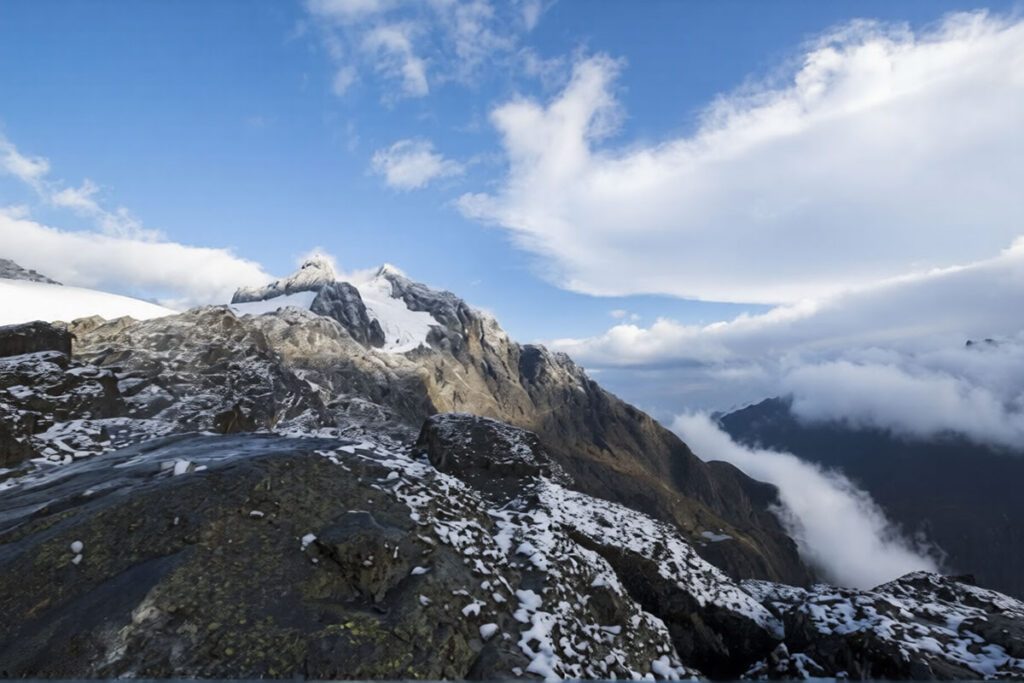
Mountain Climbing and Hiking in East Africa: Ultimate Guide to the Best Peaks and Trekking Experiences
Mountain Climbing and Hiking in East Africa offers one of the most diverse and rewarding adventure experiences on the continent. The region is defined by dramatic landscapes that range from rolling hills and deep rift valleys to towering volcanic mountains and glacier-capped peaks. From mist-covered forests to snow-capped summits, every trail introduces a new environment, making each hiking journey unique and immersive.
Whether you are seeking a challenging high-altitude climb or a scenic nature hike, East Africa provides exceptional trekking opportunities across Uganda, Tanzania and Kenya. Each destination features iconic mountains, rich ecosystems and unforgettable experiences suited to both experienced climbers and first-time hikers.
Why East Africa Is a Top Destination for Mountain Hiking
East Africa stands out as a premier hiking destination due to its exceptional ecological diversity and accessibility. Unlike many regions, a single trek can take you through multiple vegetation zones—from dense tropical rainforest and bamboo forests to open moorlands and alpine environments. This constant change in scenery keeps the experience engaging and visually rewarding.
In addition to the landscapes, hikers benefit from cultural interactions with local communities and the opportunity to encounter unique wildlife and plant species. This combination of nature, adventure and culture makes mountain hiking in East Africa a complete and enriching travel experience.
Best Mountains for Hiking and Climbing in East Africa
East Africa is home to several iconic mountains, each offering a distinct trekking experience. From world-famous peaks to lesser-known gems, these mountains cater to a wide range of fitness levels, interests and travel styles.
Mount Kilimanjaro – Tanzania
Mount Kilimanjaro is Africa’s tallest mountain and one of the most sought-after trekking destinations in the world. Rising above the plains of northern Tanzania, it offers a non-technical climb that is accessible to determined hikers with proper preparation and guidance.
The trek is defined by its gradual ascent through multiple ecological zones. Climbers begin in lush rainforest, transition into heath and moorland, then move through alpine desert before reaching the snow-covered summit. This progression not only creates stunning scenery but also presents a physical challenge that requires endurance and acclimatization.
Reaching Uhuru Peak at sunrise is a truly unforgettable moment, offering panoramic views and a deep sense of achievement.
Mount Kenya – Kenya
Mount Kenya, the second-highest mountain in Africa, is renowned for its rugged terrain, sharp peaks and glacial valleys. Unlike Kilimanjaro, it offers a more technical and visually dramatic landscape, making it especially appealing to experienced hikers and climbers.
The mountain features several trekking routes that pass through bamboo forests, alpine meadows and rocky ridges. Along the way, hikers encounter unique plant species such as giant lobelias and senecios, as well as wildlife adapted to high-altitude environments.
Mount Kenya provides a quieter alternative to Kilimanjaro while still delivering a challenging and rewarding climbing experience.
Rwenzori Mountains – Uganda
The Rwenzori Mountains, often called the “Mountains of the Moon,” are among the most unique mountain ranges in Africa. Located along the border of Uganda and the Democratic Republic of Congo, they are known for their glacier-capped peaks, dense vegetation and remote wilderness.
Trekking in the Rwenzoris is a true expedition experience. Trails pass through thick rainforest, bamboo zones and high-altitude valleys filled with unusual plant life. The terrain can be challenging, often involving muddy trails and steep ascents but the reward is an unmatched sense of exploration and solitude.
Mount Elgon – Uganda
Mount Elgon is an extinct volcanic mountain that offers a more relaxed and accessible hiking experience. It is famous for its vast caldera, one of the largest in the world and features gentle slopes that are suitable for hikers of all levels.
The mountain is rich in biodiversity and offers scenic attractions such as waterfalls, caves and cliffs. Its relatively lower altitude and less strenuous trails make it an ideal destination for beginners or those seeking a peaceful multi-day hike.
Mount Bisoke – Rwanda
Mount Bisoke is a beautiful volcanic mountain located in Volcanoes National Park. It is particularly known for its picturesque crater lake at the summit, which serves as the highlight of the hike.
The trek begins in lush rainforest, where hikers may encounter wildlife, before ascending steadily to the summit. Typically completed in one day, this hike offers a moderate challenge and is ideal for travelers with limited time.
Flexible Hiking Packages for Every Traveler
Mountain hiking experiences in East Africa are highly flexible and can be customized to suit different travel styles, fitness levels and timeframes. Whether you are planning a short hiking getaway or a multi-day expedition, there are options to match your preferences.
Travelers can choose to focus entirely on climbing or combine hiking with other safari activities. Custom itineraries ensure that each journey is tailored to individual goals, creating a more personalized and enjoyable experience.
Combine Mountain Hiking with Safari Experiences
One of the biggest advantages of hiking in East Africa is the opportunity to combine trekking with other iconic safari experiences. After completing a hike, travelers can explore national parks, enjoy wildlife game drives or take part in chimpanzee tracking and gorilla trekking.
This combination allows visitors to experience both the mountainous and wildlife-rich landscapes of East Africa, creating a well-rounded and unforgettable safari adventure.
Who Can Go Mountain Hiking in East Africa?
Mountain hiking in East Africa is suitable for a wide range of travelers. Beginners can enjoy accessible hikes such as Mount Elgon and Mount Bisoke, while more experienced adventurers can take on challenging climbs like Mount Kilimanjaro or the Rwenzori Mountains.
With proper preparation, guidance and pacing, most travelers can safely enjoy these trekking experiences regardless of their prior hiking experience.
Mountain Climbing and Hiking in Uganda
Mountain Climbing and Hiking in Uganda offers a diverse range of trekking opportunities across landscapes that include volcanic mountains, dense forests and scenic valleys. Hiking experiences range from short nature walks to challenging multi-day expeditions, making Uganda a versatile destination for adventure seekers.
Top Places for Mountain Climbing and Hiking in Uganda
Uganda is home to several remarkable mountains, each offering a unique combination of scenery, challenge and cultural experiences.
Rwenzori Mountains – The Mountains of the Moon
The Rwenzori Mountains are among the most spectacular hiking destinations in Uganda. Known for their dramatic scenery, they feature glacial lakes, waterfalls and rare alpine vegetation.
Trekking here provides a true wilderness experience, with routes designed for both novice and experienced hikers. The combination of challenging terrain and breathtaking views makes the Rwenzoris a top destination for serious adventurers.
Weismanns Peak (4620 meters)
Weismanns Peak is a popular trekking destination within the Rwenzori range. The climb begins at Kilembe base camp and takes hikers through the scenic Nyamwamba Valley, known for its waterfalls and lush landscapes.
The trek typically takes about 6 days and becomes progressively more demanding as altitude increases, rewarding climbers with panoramic mountain views.
Margherita Peak (5109 meters)
Margherita Peak is the highest point in the Rwenzori Mountains and one of the most challenging climbs in Uganda. The trek involves crossing glaciers and navigating alpine terrain, making it suitable for experienced climbers.
Highlights include Lake Kitandara and views from Mount Stanley, as well as opportunities to engage with local Bakonzo communities.
Mount Elgon – Scenic and Accessible Hiking
Mount Elgon offers a more relaxed hiking experience with gentle slopes and diverse attractions. It is suitable for hikers of all levels and provides a peaceful alternative to more demanding climbs.
Wagagai Peak
Wagagai Peak is the highest point on Mount Elgon and can be reached via three main trails, each offering different scenery and difficulty levels.
Piswa Trail
This is the easiest route, featuring gradual slopes and scenic views of the surrounding plains and hills.
Sasa Trail
The shortest but most physically demanding route, offering a direct ascent and cultural encounters along the way.
Sipi Trail
The most scenic route, passing waterfalls, caves and forest landscapes before reaching the summit.
Mount Sabinyo
Mount Sabinyo is known for its jagged peaks and physically demanding terrain. The climb offers rewarding views and the chance to see rare golden monkeys.
Mount Muhabura (4127 meters)
Mount Muhabura features a steep ascent that rewards climbers with panoramic views of crater lakes and surrounding landscapes.
Mount Gahinga (3474 meters)
Mount Gahinga offers a moderate hike with scenic views and cultural experiences involving the Batwa community.
Mountain Climbing and Hiking in Tanzania
Mountain Climbing and Hiking in Tanzania offers some of the most iconic and rewarding trekking experiences in Africa. The country is home to world-famous peaks, diverse ecosystems and well-established climbing routes that attract adventurers from around the globe. From the legendary slopes of Mount Kilimanjaro to the scenic trails of Mount Meru, Tanzania provides a perfect balance of challenge, natural beauty and accessibility.
What makes Tanzania particularly unique is the ability to combine high-altitude trekking with rich wildlife experiences. Many climbing routes begin in protected national parks, allowing hikers to encounter wildlife and explore pristine environments before ascending into alpine zones.
Mount Kilimanjaro
Mount Kilimanjaro is the highest mountain in Africa and the tallest free-standing mountain in the world. It rises dramatically above the surrounding plains, creating one of the most recognizable landscapes on the continent. The mountain offers several trekking routes, each varying in duration, scenery and level of difficulty, allowing climbers to choose an experience that suits their fitness and goals.
The climb is non-technical but physically demanding, requiring proper acclimatization and endurance. One of the most remarkable aspects of Kilimanjaro is the transition through five distinct ecological zones, from tropical rainforest to arctic summit conditions. This makes the journey not only a physical challenge but also a visually diverse and immersive experience.
Kibo Peak (5895 meters)
Kibo Peak is the highest summit of Mount Kilimanjaro and the ultimate goal for most climbers. Known as Uhuru Peak at the summit, it represents the “Roof of Africa.” The final ascent is typically done at night, allowing hikers to reach the summit at sunrise, where they are rewarded with breathtaking views above the clouds.
Although non-technical, reaching Kibo Peak requires determination, mental resilience and proper acclimatization due to the high altitude.
Mawenzi Peak (5149 meters)
Mawenzi Peak is the second-highest peak on Kilimanjaro and is known for its rugged, jagged terrain. Unlike Kibo, Mawenzi is a technical climb that requires mountaineering skills and specialized equipment.
The peak’s dramatic ridges and steep slopes make it one of the most visually striking features of Kilimanjaro, attracting experienced climbers looking for a more demanding challenge.
Shira Peak (3962 meters)
Shira Peak is part of the Shira Plateau, a wide, high-altitude plateau formed by volcanic activity. Although it is not a primary summit destination, it plays an important role in acclimatization and offers some of the most scenic landscapes on the mountain.
The plateau features open grasslands, unique rock formations and occasional wildlife sightings, making it a highlight for many trekkers.
Mount Meru (4562 meters)
Mount Meru is Tanzania’s second-highest mountain and is often considered one of the most underrated trekking destinations in East Africa. Located within Arusha National Park, it offers a quieter and less crowded alternative to Kilimanjaro while still providing a challenging and rewarding climb.
The trek begins in forested areas where hikers may encounter wildlife such as giraffes, buffaloes and monkeys. As the climb progresses, the landscape transitions into alpine terrain, offering stunning views of the surrounding plains and, on clear days, Mount Kilimanjaro in the distance.
Mount Meru is also commonly used as an acclimatization climb before attempting Kilimanjaro, helping hikers adjust to higher altitudes while enjoying a complete trekking experience.
Mountain Climbing and Hiking in Kenya
Mountain Climbing and Hiking in Kenya offers a diverse range of trekking experiences that combine high-altitude adventure, scenic landscapes and cultural significance. From the snow-capped peaks of Mount Kenya to the volcanic terrain of Mount Longonot and the lush highlands of the Aberdare Range, Kenya provides options for both challenging climbs and shorter scenic hikes.
The country’s mountains are easily accessible and offer well-established trails, making Kenya a suitable destination for both beginners and experienced hikers. In addition to the physical challenge, hiking in Kenya provides opportunities to explore unique ecosystems and enjoy panoramic views across the Great Rift Valley.
Mount Kenya (5199 meters)
Mount Kenya is the second-highest mountain in Africa and one of the most scenic trekking destinations on the continent. The mountain is known for its rugged peaks, glaciers and alpine vegetation, creating a striking contrast against the surrounding landscapes.
It is also culturally significant, particularly to the Kikuyu people, who regard it as a sacred mountain. The mountain features several trekking routes that pass through forest, moorland and alpine zones, each offering unique scenery and experiences.
Lenana Peak (4985 meters)
Lenana Peak is the most accessible summit on Mount Kenya and is popular among trekkers who want to experience high-altitude climbing without technical difficulty. The ascent typically involves multi-day trekking with gradual acclimatization.
Reaching the summit at sunrise offers spectacular views of the surrounding peaks and landscapes, making it one of the most rewarding non-technical climbs in Africa.
Batian Peak (5199 meters)
Batian Peak is the highest summit on Mount Kenya and presents a technical climbing challenge that requires mountaineering skills and experience. The climb involves navigating steep rock faces and exposed ridges.
This peak is best suited for experienced climbers seeking a more demanding and adventurous ascent, offering both challenge and stunning views.
Mount Longonot
Mount Longonot is a dormant volcano located in Kenya’s Great Rift Valley and offers a relatively short but physically demanding hike. The trail ascends steep slopes to the crater rim, where hikers are rewarded with panoramic views of Lake Naivasha and the surrounding landscapes.
The hike typically takes between 4 to 5 hours and is ideal for travelers looking for a one-day adventure that combines physical challenge with scenic beauty.
Mount Lesatima
Mount Lesatima, located in the Aberdare Range, is the third-highest peak in Kenya and offers a peaceful and less crowded hiking experience. The mountain features open landscapes, rolling hills and diverse flora and fauna.
The hike is relatively moderate, making it suitable for a wide range of hikers. It is an excellent option for those seeking a quiet and scenic alternative to the more popular Mount Kenya routes.
Combine Hiking with Wildlife and Safari Experiences in Kenya
One of the highlights of hiking in Kenya is the opportunity to combine mountain adventures with wildlife safaris. After your hike, you can explore nearby national parks and reserves, experiencing Kenya’s famous wildlife and landscapes.
This combination creates a well-rounded travel experience, allowing visitors to enjoy both the thrill of mountain climbing and the richness of Kenya’s natural heritage.
Mountain Climbing and Hiking Requirements in East Africa
Mountain Climbing and Hiking in East Africa requires thoughtful preparation to ensure a safe, comfortable and enjoyable experience. The region’s mountains present a wide range of conditions, from humid rainforest trails to cold, high-altitude environments. Being well-prepared with the right gear and choosing the best time to travel plays a crucial role in determining the success and overall enjoyment of your hiking adventure.
Essential Gear for Mountain Climbing and Hiking
Having the right equipment is key to navigating East Africa’s diverse terrain and changing weather conditions. Proper gear not only enhances comfort but also ensures safety throughout the trek, especially on longer or high-altitude climbs.
Hiking Boots
Hiking boots are one of the most important items for any trek. Trails in East Africa can be rocky, uneven, muddy or steep depending on the location and weather conditions. A good pair of sturdy, waterproof hiking boots provides the necessary grip, ankle support and stability needed to move confidently across different terrains. Well-fitted boots also help prevent blisters and fatigue during long hikes.
Rain Jacket
Weather in mountainous regions can change rapidly, even during the dry season. A lightweight, waterproof rain jacket is essential for protecting against unexpected rainfall, wind and mist, especially in rainforest zones like the Rwenzori Mountains or Mount Kenya. Staying dry helps maintain body temperature and overall comfort during the hike.
Warm Clothing and Layering
As you ascend to higher altitudes, temperatures drop significantly, particularly in the early morning and at night. Layered clothing allows you to adjust to changing conditions throughout the day. Warm jackets, thermal wear and fleece layers are especially important for high-altitude climbs such as Mount Kilimanjaro and the Rwenzoris, where conditions can become extremely cold.
Gloves
Gloves are often overlooked but are very useful during hikes. They protect your hands when gripping rocks, branches or trekking poles, especially on steep or technical sections. In colder regions, gloves also provide warmth and help prevent numbness at higher elevations.
Camera
A camera or a good smartphone is essential for capturing the incredible landscapes and moments experienced during your hike. From panoramic mountain views and unique vegetation to wildlife encounters and sunrise summits, having a camera allows you to preserve memories of your journey.
Best Time for Mountain Climbing and Hiking in East Africa
Choosing the right time to go hiking is just as important as having the right gear. Weather conditions directly affect trail accessibility, visibility and overall comfort during your trek.
The best time for mountain climbing and hiking in East Africa is during the dry seasons, which typically occur from June to October and December to March. During these months, rainfall is minimal, making trails less slippery and easier to navigate. Clear skies also improve visibility, allowing hikers to fully enjoy scenic views and summit experiences.
In contrast, the rainy seasons—usually April, May and November—bring heavier rainfall that can make trails muddy, slippery and more challenging. Visibility may also be reduced due to cloud cover and mist, particularly at higher elevations. However, for experienced hikers seeking fewer crowds and lush green landscapes, these months can still offer a unique experience with proper preparation.
Enhance Your Experience with Proper Planning
Successful mountain hiking in East Africa goes beyond physical fitness—it requires careful planning and preparation. Booking with experienced guides, choosing the right route, allowing time for acclimatization and packing appropriate gear all contribute to a safer and more enjoyable journey.
Proper planning allows you to focus on the experience itself, from enjoying breathtaking landscapes and diverse ecosystems to fully immersing yourself in the adventure. With the right approach, mountain climbing and hiking in East Africa becomes not only achievable but also deeply rewarding and unforgettable.