
Hell’s Gate National Park
Hell’s Gate National Park Kenya: Complete Guide to Cycling, Hiking, Entry Fees, Geothermal Attractions & Travel Tips
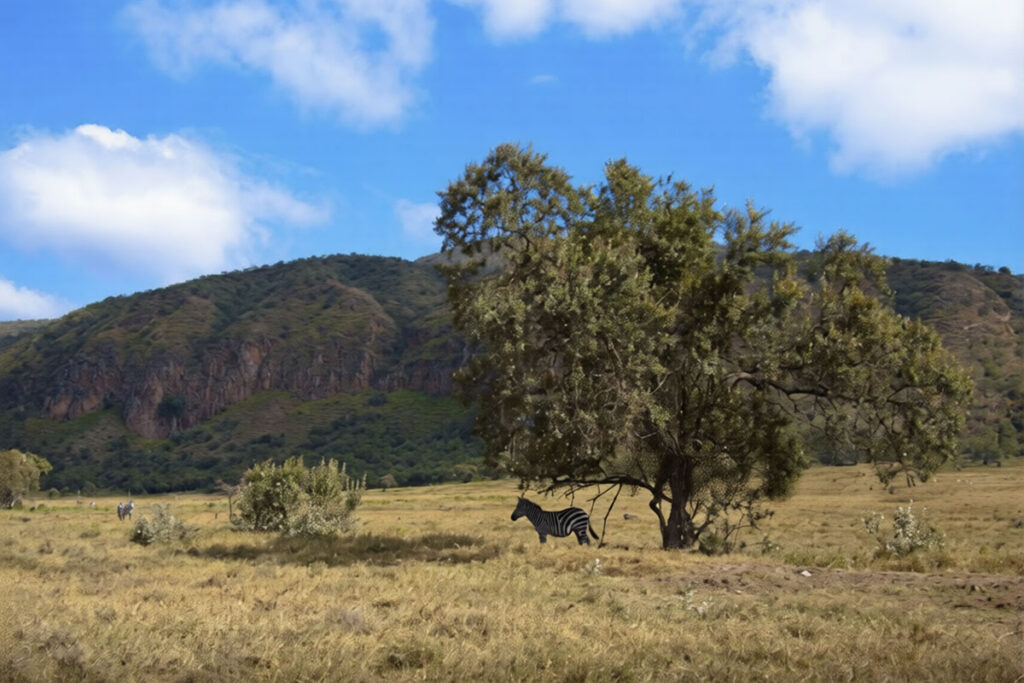
Hell’s Gate National Park is one of Kenya’s most unique and adventure-filled safari destinations, located in the Great Rift Valley near Lake Naivasha. Unlike most national parks in Africa, Hell’s Gate allows visitors to explore freely on foot, by bicycle or through guided walking safaris—offering a rare opportunity to experience wildlife up close without the barrier of a safari vehicle. Known for its dramatic gorges, towering cliffs, geothermal activity and wide open plains, Hell’s Gate National Park is ideal for travelers seeking an active, immersive and scenic safari just a few hours from Nairobi.
Established in 1984, Hell’s Gate National Park covers approximately 68 square kilometers and is one of Kenya’s smaller but most diverse parks. The park is named after a narrow break in the cliffs that was once believed to be a gateway to the underworld due to the presence of geothermal activity and steaming vents. Despite its size, Hell’s Gate offers an exceptional combination of wildlife, geology and adventure activities, making it a must-visit destination in Kenya.
Location and Accessibility
Hell’s Gate National Park is located approximately 90 to 110 kilometers northwest of Nairobi, near the shores of Lake Naivasha. The park is easily accessible via the Nairobi–Nakuru highway, with a driving time of about 2 to 3 hours. Its proximity to Nairobi makes it one of the best destinations for day trips, short safaris and weekend getaways.
Landscape and Geological Features
The park is renowned for its dramatic landscapes, including towering cliffs, deep gorges, volcanic rock formations and geothermal steam vents. Key features include Fischer’s Tower, Central Tower and Hell’s Gate Gorge, all formed through volcanic activity millions of years ago. The terrain consists of open plains, rocky outcrops and geothermal zones, creating a visually striking and diverse environment.
Geothermal Activity and Olkaria Power Station
Hell’s Gate National Park lies within an active geothermal zone, making it one of the few places in Africa where visitors can observe geothermal activity up close. Steam vents, hot springs and heated ground surfaces are visible throughout the park, providing a fascinating glimpse into the Earth’s internal processes.
Olkaria Geothermal Power Station
Located within the greater Hell’s Gate ecosystem, the Olkaria Geothermal Power Station is one of Africa’s largest geothermal energy producers. It plays a crucial role in Kenya’s renewable energy supply, generating clean electricity from underground heat. Visitors can observe steam rising from the earth and, in some cases, arrange guided visits to learn how geothermal energy is harnessed.
Geothermal Features in the Park
The park’s geothermal features include steam jets, fumaroles and hot water springs. These natural phenomena contribute to the park’s unique identity and make it both a scenic and educational destination.
Wildlife in Hell’s Gate National Park
Large Mammals
Hell’s Gate is home to a wide range of herbivores that thrive in its open landscapes. Visitors commonly encounter zebras, giraffes, buffaloes, elands, hartebeests, Thomson’s gazelles and klipspringers. The absence of dense vegetation allows for excellent wildlife viewing, often at close range.
Predators and Safety
Unlike most national parks in Kenya, Hell’s Gate has very few large predators. Lions and leopards are rarely seen, making the park one of the safest places in Africa for walking and cycling safaris. However, caution is still necessary, particularly around large animals such as buffaloes.
Smaller Wildlife
The park also hosts smaller species including rock hyraxes, baboons, vervet monkeys and reptiles. These animals are commonly seen near cliffs, rocks and picnic areas.
Birdlife in Hell’s Gate National Park
Hell’s Gate National Park is a rewarding destination for birdwatchers, with over 100 recorded bird species. The park is especially known for its birds of prey, which nest along the cliffs and rocky formations.
Birdwatching Highlights
Notable species include Verreaux’s eagle, augur buzzard, lammergeier (bearded vulture) and various swifts and swallows. The cliffs and gorges provide ideal nesting environments, making birdwatching particularly productive in these areas.
Top Activities in Hell’s Gate National Park
Walking Safaris
Walking safaris are one of the most unique experiences in Hell’s Gate. Visitors can explore the park on foot, observing wildlife and landscapes at close range. This activity provides a deeper connection to nature and is rarely possible in other African parks.
Cycling Safaris
Cycling is the most popular activity in the park. Visitors can rent bicycles and ride through the open plains, often encountering wildlife such as zebras and giraffes along the way. This activity combines adventure with wildlife viewing in a truly memorable way.
Hiking and Gorge Exploration
Hell’s Gate Gorge offers a thrilling hiking experience through narrow canyons, rock formations and geothermal features. The gorge’s winding paths and dramatic scenery make it one of the park’s highlights. Guided tours are highly recommended for safety and interpretation.
Rock Climbing
Fischer’s Tower and Central Tower provide excellent rock climbing opportunities for both beginners and experienced climbers. The volcanic formations offer a variety of climbing routes with stunning views.
Photography and Scenic Viewing
The park’s dramatic landscapes, wildlife and geothermal features make it an ideal destination for photography. Sunrise and sunset provide particularly stunning lighting conditions.
Hell’s Gate Gorge Safety and Access Information
Hell’s Gate Gorge is one of the park’s most popular attractions but requires caution due to potential hazards such as flash floods, especially during the rainy seasons.
- Guided tours are strongly recommended
- Access may be restricted during heavy rains
- Always check current safety conditions before entering the gorge
- Follow instructions from guides and park rangers
Hell’s Gate National Park Entry Fees
Park entry fees are managed by the Kenya Wildlife Service and are charged per person per day. These fees contribute to conservation, park management and infrastructure development.
Non-Residents (International Visitors)
- Adults: USD 50 per person per day
- Children (3–17 years): USD 25 per child per day
Residents
- Adults: KES 675 per person per day
- Children: KES 350 per child per day
East African Citizens
- Adults: KES 500 per person per day
- Children: KES 250 per child per day
Why Visit Hell’s Gate National Park?
- One of the few parks in Africa where walking and cycling safaris are allowed
- Close proximity to Nairobi for easy access
- Unique geothermal and volcanic landscapes
- Safe and family-friendly safari experience
- Perfect for active and adventure-based travel
Combine Hell’s Gate with Lake Naivasha
Hell’s Gate National Park is often combined with nearby Lake Naivasha to create a complete and balanced safari experience.
- Boat safaris on Lake Naivasha to see hippos and birdlife
- Walking safaris on Crescent Island
- Relaxation at lakeside lodges and resorts
Best Time to Visit Hell’s Gate National Park
Dry Season (June to October & January to February)
The dry season offers the best conditions for outdoor activities such as cycling, hiking and wildlife viewing. Trails are dry and visibility is excellent.
Wet Season (March to May & November)
During the rainy season, the park becomes lush and green, offering beautiful scenery and excellent birdwatching opportunities. However, trails may become slippery and access to the gorge may be limited.
How to Get to Hell’s Gate National Park
By Road
The park is easily accessible by road from Nairobi, with a travel time of approximately 2 to 3 hours.
By Air
Charter flights can land at nearby airstrips around Lake Naivasha, followed by a short transfer to the park.
Who Should Visit Hell’s Gate National Park?
- Adventure travelers and outdoor enthusiasts
- Families seeking safe and interactive safari experiences
- Photographers and nature lovers
- Travelers with limited time in Kenya
What to Pack for Hell’s Gate National Park
- Comfortable walking or hiking shoes
- Lightweight and breathable clothing
- Water and snacks for activities
- Sunscreen, hat and sunglasses
- Camera and binoculars
Health and Safety Information
- Stay hydrated during physical activities
- Use a guide when exploring the gorge
- Follow park safety guidelines at all times
- Remain cautious around wildlife
Final Thoughts
Hell’s Gate National Park offers one of the most unique and interactive safari experiences in Kenya. With its combination of adventure activities, geothermal features and accessible wildlife, it provides an exciting and memorable way to explore the African wilderness.