
Serengeti National Park
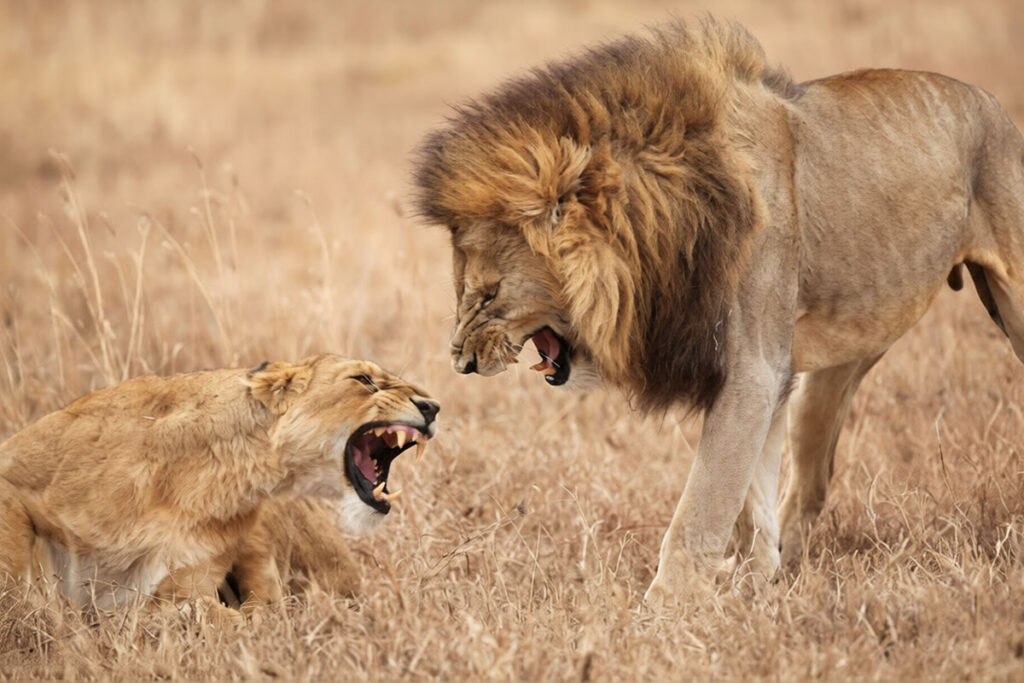
Serengeti National Park Guide: Wildlife, Great Migration, Safari Costs, Regions and Travel Tips
Serengeti National Park is one of Africa’s most iconic safari destinations, renowned for its vast open plains, exceptional wildlife density and the world-famous Great Migration. Located in northern Tanzania, the park covers approximately 14,750 square kilometers and forms part of the greater Serengeti ecosystem that extends into Kenya’s Masai Mara. As a UNESCO World Heritage Site and one of the oldest national parks in Tanzania, Serengeti represents one of the most intact and diverse wildlife habitats on Earth.
The park is home to an extraordinary concentration of animals, including the Big Five, massive herds of grazers and over 500 bird species. Whether you are seeking dramatic predator encounters, witnessing the migration or simply enjoying the endless savannah landscapes, Serengeti offers one of the most complete safari experiences in Africa.
What Makes Serengeti National Park Unique
Serengeti National Park stands out globally due to its scale, ecological richness and the sheer number of animals that inhabit its landscapes. It is one of the few remaining ecosystems where wildlife moves freely across vast distances, maintaining ancient migration patterns that have existed for thousands of years.
The park is most famous for the Great Migration, where over 1.5 million wildebeests, along with hundreds of thousands of zebras and gazelles, move in a circular pattern across Tanzania and Kenya in search of fresh grazing. This movement supports a complex food chain, attracting predators such as lions, cheetahs, hyenas and crocodiles.
Another unique feature is the park’s diversity of habitats, ranging from open grasslands and riverine forests to rocky kopjes and seasonal wetlands. This variety supports a wide range of species and ensures excellent wildlife viewing throughout the year.
Why Visit Serengeti National Park?
Serengeti National Park is a dream destination for travelers seeking an authentic African safari. It offers unmatched opportunities to see wildlife in its natural environment, often in large numbers and dramatic settings. The park is ideal for both first-time visitors and seasoned safari travelers due to its reliability in delivering memorable wildlife encounters.
In addition to wildlife, Serengeti offers breathtaking scenery, cultural connections and a sense of untouched wilderness. The experience of watching animals roam freely across the plains, often with no visible boundaries, creates a deep connection with nature that few destinations can match.
The Great Migration in Serengeti National Park
The Great Migration is the most remarkable natural event in Serengeti National Park and one of the most sought-after wildlife experiences in the world. This continuous cycle of movement involves millions of animals traveling across the ecosystem in response to rainfall patterns and grazing conditions.
From December to March, the herds gather in the southern Serengeti and Ndutu plains for the calving season, when thousands of young are born each day. This period attracts predators and offers dramatic wildlife interactions.
Between May and June, the herds begin moving northwest toward the Grumeti region, where they face their first major river crossings. From July to October, the migration reaches the northern Serengeti, where the famous Mara River crossings take place.
The migration then gradually returns south, completing the cycle. Because of this constant movement, Serengeti offers different migration experiences throughout the year.
Serengeti Regions and Safari Areas
Serengeti National Park is divided into several key regions, each offering distinct landscapes, wildlife concentrations and safari experiences. Understanding these areas helps travelers choose where to stay and what to expect during their visit.
Central Serengeti (Seronera Valley)
The central region is the most accessible and offers excellent year-round wildlife viewing. It is particularly known for its high density of predators, including lions, leopards and cheetahs. The Seronera River attracts animals throughout the year, making this area ideal for consistent game viewing.
Northern Serengeti
The northern region is famous for the Mara River crossings during the migration season from July to October. It offers dramatic wildlife encounters and a more remote safari experience with fewer crowds compared to central areas.
Western Corridor (Grumeti Region)
This region is characterized by riverine forests and the Grumeti River. It is a key migration route during May and June, where herds face challenging river crossings and increased predator activity.
Southern Serengeti (Ndutu Plains)
The southern plains are best visited between December and March, during the calving season. The open grasslands provide ideal conditions for grazing and attract large herds along with predators.
Eastern Serengeti
This lesser-visited area offers a quieter and more exclusive safari experience. It is known for scenic landscapes, kopjes and opportunities to see cheetahs and other predators in a less crowded environment.
Wildlife in Serengeti National Park
Serengeti National Park is home to one of the richest concentrations of wildlife in Africa. The park supports the Big Five—lion, leopard, elephant, buffalo and rhino—as well as vast populations of herbivores such as wildebeests, zebras, giraffes and antelopes.
Predators are particularly abundant, with large prides of lions, solitary leopards, fast-moving cheetahs and scavengers like hyenas and vultures all playing a role in the ecosystem. The interaction between predators and prey is one of the highlights of any Serengeti safari.
Other notable animals include hippos, crocodiles, warthogs, jackals and various smaller mammals. The diversity of species ensures that every game drive offers new and exciting sightings.
Birdlife in Serengeti National Park
Serengeti is also a top destination for birdwatching, with over 500 species recorded. The park’s varied habitats support both resident and migratory birds, making it a year-round birding destination.
Commonly seen species include ostriches, secretary birds, eagles, vultures, herons and storks. Between October and April, migratory birds from Europe and Asia increase the diversity of species, making this period particularly rewarding for bird enthusiasts.
Top Activities in Serengeti National Park
Game Drives
Game drives are the primary activity in Serengeti and provide the best way to explore its vast landscapes. Morning, afternoon and full-day drives allow visitors to experience different wildlife behaviors and maximize sightings.
Great Migration Viewing
Following the migration across different regions of the park is one of the most exciting experiences. Timing your visit based on the migration cycle enhances the chances of witnessing dramatic events such as river crossings or calving.
Hot Air Balloon Safaris
Hot air balloon safaris offer a unique perspective of Serengeti from above. These early morning flights provide stunning views of wildlife and landscapes, followed by a bush breakfast.
Walking Safaris
Walking safaris allow visitors to explore the environment on foot, guided by experienced rangers. This activity provides a deeper understanding of the ecosystem, including animal tracks, plants and smaller species.
Serengeti National Park Entrance Fees and Safari Costs
Visiting Serengeti involves park entrance fees and additional safari-related costs. These fees are set by Tanzania National Parks Authority (TANAPA) and are charged per person per day.
Park Entrance Fees
- Foreign Non-Residents: $70 per adult, $20 per child
- Foreign Residents: $35 per adult, $10 per child
- East African Citizens: Approximately 10,000–15,000 TZS per adult
Additional Costs
Additional expenses may include vehicle entry fees, accommodation, guide services and optional activities such as balloon safaris. Overall safari costs vary depending on the level of comfort, ranging from budget to luxury experiences.
Accessibility and Safari Planning Advantage
Serengeti National Park is accessible by both road and air, offering flexibility for different travel styles. It forms part of Tanzania’s northern safari circuit and is commonly combined with Ngorongoro Crater, Lake Manyara and Tarangire National Park.
This connectivity allows travelers to create well-rounded itineraries that showcase different ecosystems and wildlife experiences within a single trip.
Best Time to Visit Serengeti National Park
The best time to visit depends on your travel goals. The dry season from mid-May to mid-October is ideal for general wildlife viewing, as animals gather around water sources and vegetation is less dense.
The green season from November to April offers lush landscapes, fewer crowds and excellent birdwatching opportunities, as well as the calving season in the southern plains.
How Long Should You Stay in Serengeti National Park?
A minimum of 2 days is recommended to experience Serengeti but 3 to 4 days allows for a more comprehensive exploration of different regions and increases the chances of witnessing the Great Migration.
Longer stays are ideal for photographers, wildlife enthusiasts and travelers who want a deeper and more relaxed safari experience.
Where to Stay in Serengeti National Park
Luxury Accommodation
- Four Seasons Safari Lodge
- Serengeti Serena Safari Lodge
- One Nature Nyaruswiga
Midrange Accommodation
- Melia Serengeti Lodge
- Serengeti Mawa Camp
Budget Accommodation
- Ikoma Tented Camp
- Kobe House
Who Should Visit Serengeti National Park?
Serengeti is suitable for first-time safari travelers, wildlife enthusiasts, photographers and birdwatchers. It offers a complete safari experience for both budget and luxury travelers.
Combine Serengeti with Other Safari Destinations
Serengeti is best combined with Ngorongoro, Tarangire and Lake Manyara to create a diverse and unforgettable northern Tanzania safari itinerary.
Plan Your Serengeti National Park Safari
Planning ahead ensures a smooth and rewarding experience. With its vast landscapes, incredible wildlife and the Great Migration, Serengeti remains one of the most iconic safari destinations in Africa.