
Nyungwe Forest National Park
Nyungwe Forest National Park Guide: Chimpanzee Trekking, Canopy Walk, Wildlife, Costs and Travel Tips
Nyungwe Forest National Park is one of Africa’s oldest and most biologically diverse rainforests, located in southwestern Rwanda. Spanning a vast area of montane forest along the Congo-Nile watershed, this remarkable destination plays a vital role in sustaining regional water systems that feed both the Nile River and the Congo Basin. The journey to Nyungwe is as captivating as the park itself, passing through rolling hills, lush tea plantations and scenic countryside before revealing a dense, mist-covered forest filled with life.
Unlike the classic savannah parks of East Africa, Nyungwe offers a completely different safari experience focused on primates, birdlife, forest hiking and immersive nature encounters. Its combination of biodiversity, adventure activities and tranquil landscapes makes it one of Rwanda’s most rewarding and unique destinations.
What Makes Nyungwe Forest National Park Unique
Nyungwe Forest National Park is one of the largest remaining montane rainforests in Africa and a globally recognized biodiversity hotspot. Its location along the Congo-Nile divide creates a unique ecological system that influences rainfall patterns, vegetation distribution and wildlife habitats.
The park is particularly famous for its primate diversity, with thirteen recorded species, making it one of the best places in Africa for primate tracking. In addition, Nyungwe hosts rare bird species endemic to the Albertine Rift, giving it exceptional importance for conservation.
One of the most distinctive features of Nyungwe is its canopy walk—a suspended bridge high above the forest floor that offers breathtaking views and a rare perspective of the forest ecosystem. This combination of biodiversity, adventure and scenery sets Nyungwe apart from other safari destinations.
Flora and Fauna in Nyungwe Forest National Park
Nyungwe Forest is characterized by rich and varied vegetation shaped by altitude and terrain. At lower elevations, large tropical tree species such as Chrysophyllum, Entandophragma and Newtonia dominate, forming a dense canopy that supports numerous animal species.
At higher altitudes, the forest transitions into cooler environments with species like Syzygium guineense and Carapa grandiflora, along with endemic plants that thrive in these conditions. This variation creates multiple ecological zones within the park.
The forest is structured in layers—from the canopy to the understory and forest floor—each supporting different species. This complex ecosystem makes Nyungwe one of the most ecologically significant forests in East Africa.
Wildlife in Nyungwe Forest National Park
Nyungwe Forest National Park is home to a wide variety of wildlife, although many species are adapted to forest life and can be more elusive than those found in open savannahs. Larger mammals such as leopards and golden cats inhabit the forest but are rarely seen due to dense vegetation.
More commonly observed are smaller mammals like giant forest squirrels and tree hyraxes, which thrive in this environment. However, the main attraction in Nyungwe is its primate population.
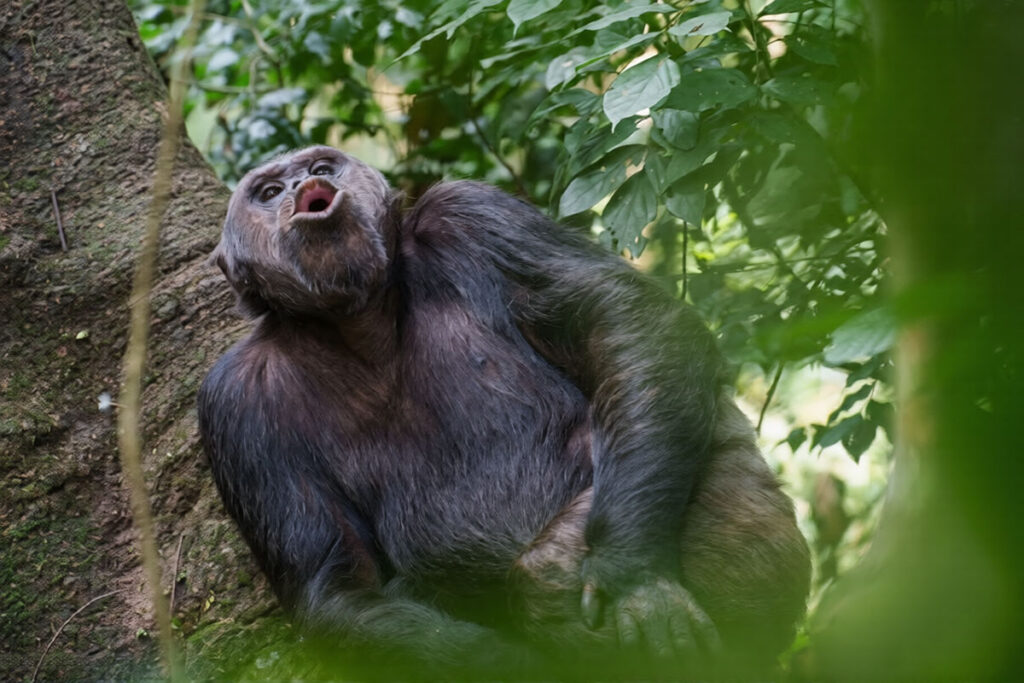
The park hosts thirteen primate species, including chimpanzees, L’Hoest’s monkeys, blue monkeys, red-tailed monkeys, black-and-white colobus monkeys and the endemic Eastern Needle-Clawed Galago. This diversity makes Nyungwe a top destination for primate enthusiasts.
Chimpanzee Trekking in Nyungwe Forest National Park
Chimpanzee trekking is the highlight of any visit to Nyungwe Forest National Park. This activity offers a rare opportunity to observe chimpanzees in their natural habitat while learning about their behavior and social dynamics.
Treks begin early in the morning from locations such as Gisakura, Uwinka or Katabi. Visitors receive a briefing from experienced guides before entering the forest to track chimpanzees based on vocal calls and movement patterns.
Once the chimpanzees are located, visitors are allowed to spend time observing them as they feed, groom and interact within their groups. This experience is both educational and unforgettable.
Chimpanzee Trekking Permit Cost
The cost of a chimpanzee trekking permit in Nyungwe Forest National Park is $150 per person. This fee covers park access for the activity and the services of trained ranger guides who lead the trek.
Due to limited availability, permits should be booked in advance, especially during peak travel seasons, to secure your preferred trekking date.
Chimpanzee Trekking Difficulty Level
Chimpanzee trekking in Nyungwe is considered moderate to challenging. The terrain can be steep, uneven and covered with dense vegetation. Trails may become muddy and slippery, particularly during the rainy season.
The duration of the trek varies depending on the movement of the chimpanzees and can range from a few hours to a full morning. A good level of physical fitness is recommended and participants should be prepared for an active and sometimes demanding experience.
Birdwatching in Nyungwe Forest National Park
Nyungwe Forest National Park is one of Africa’s premier birdwatching destinations, with over 275 recorded bird species. It is especially significant for hosting all 25 species endemic to the Albertine Rift mountains.
Birdwatchers can spot species such as Rockefeller’s Sunbird, Chapin’s Flycatcher and numerous others. The forest’s varied habitats—including canopy, wetlands and forest edges—provide excellent birding opportunities throughout the year.
Early mornings and late afternoons are the best times for birdwatching, when bird activity is highest and lighting conditions are ideal for observation and photography.
Top Activities in Nyungwe Forest National Park
Canopy Walk Experience
The canopy walk is one of Nyungwe’s most iconic attractions. Suspended approximately 60 meters above the forest floor and stretching about 200 meters, this walkway offers breathtaking panoramic views of the forest canopy.
Visitors can spot birds, monkeys and the vast expanse of the forest from above, making it one of the most unique experiences in East Africa.
Forest Hiking Trails
Nyungwe offers over 130 kilometers of hiking trails, each leading to different attractions such as waterfalls, caves and marshes. These trails provide an immersive way to explore the forest’s beauty and biodiversity.
Popular trails include Igishigishigi Trail, Kamiranzovu Marsh Trail and the Source of the Nile Trail, each offering unique scenery and experiences.
Primate and Monkey Trekking
In addition to chimpanzees, visitors can track other primates such as colobus monkeys, blue monkeys and red-tailed monkeys. These treks offer further opportunities to observe primate diversity and behavior.
Cultural Experiences
Nyungwe also offers cultural encounters with local communities. Visitors can explore traditional Rwandan lifestyles, enjoy cultural performances and learn about local customs and traditions.
Nyungwe Forest National Park Entrance Fees
Visitors to Nyungwe Forest National Park are required to pay an entrance fee of $100 per person per day. This fee contributes to conservation efforts, park management and maintenance of facilities.
When combined with the chimpanzee trekking permit cost of $150, the total cost for a chimpanzee trekking experience is approximately $250 per person, excluding accommodation, transport and additional activities.
What to Pack for Nyungwe Forest National Park
Proper preparation is essential for a successful and comfortable experience in Nyungwe Forest, especially for trekking activities.
- Sturdy hiking boots for steep and slippery trails
- Rain jacket due to frequent rainfall
- Long-sleeved clothing for protection against insects
- Gloves for handling vegetation during trekking
- Insect repellent to reduce bites
- Water and snacks to stay hydrated and energized
- Camera and binoculars for wildlife viewing
Accommodation in Nyungwe Forest National Park
Nyungwe offers a variety of accommodation options, from luxury lodges to budget-friendly guesthouses.
- Nyungwe Forest Lodge
- Gisakura Guest House
- Nyungwe Top View Hotel
Camping options are also available for visitors seeking a closer connection to nature.
Best Time to Visit Nyungwe Forest National Park
Dry Season
The dry season offers the best conditions for trekking, with clearer trails and easier movement through the forest. It is ideal for chimpanzee trekking and canopy walk experiences.
Wet Season
The wet season brings lush greenery and increased wildlife activity, especially for birdwatching. However, trails may be more challenging due to rain.
How to Get to Nyungwe Forest National Park
By Road
Nyungwe is located approximately 225 kilometers from Kigali, with a scenic drive of 4 to 5 hours through Rwanda’s countryside and tea plantations.
By Air
Visitors can take a domestic flight from Kigali to Kamembe Airport, followed by a road transfer to the park.
How Long Should You Stay in Nyungwe Forest National Park?
A stay of 2 to 3 days is recommended to fully explore the park’s key activities, including chimpanzee trekking, canopy walk and forest hiking.
Who Should Visit Nyungwe Forest National Park?
Nyungwe is ideal for nature lovers, birdwatchers, photographers and adventure travelers interested in primates and forest ecosystems.
Combine Nyungwe with Other Rwanda Destinations
Nyungwe can be combined with Volcanoes National Park for gorilla trekking or Akagera National Park for classic wildlife safaris, creating a diverse Rwanda itinerary.
Plan Your Nyungwe Forest National Park Safari
With its rich biodiversity, unique activities and stunning landscapes, Nyungwe Forest National Park offers an unforgettable safari experience in Rwanda. Proper planning ensures you make the most of this remarkable destination.