
Samburu National Reserve
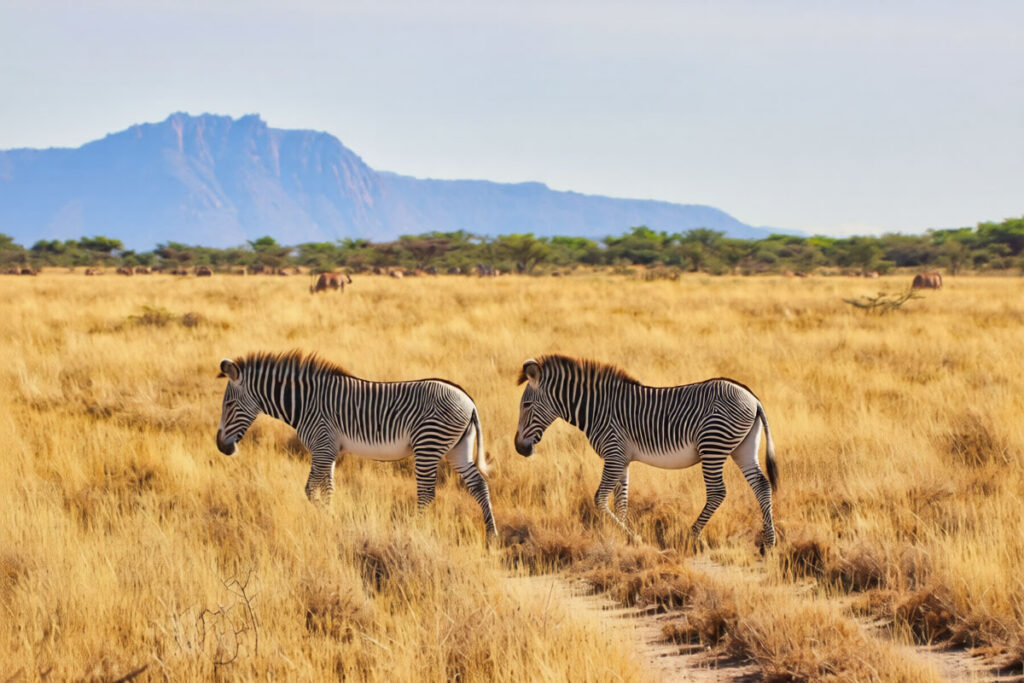
Samburu National Reserve Guide: Wildlife, Samburu Special Five, Safaris and Travel Tips
Samburu National Reserve is one of Kenya’s most distinctive safari destinations, located in the northern region within the Rift Valley area. Set along the lifeline of the Ewaso Ngiro River, this semi-arid reserve offers a striking contrast to Kenya’s greener parks, with open plains, acacia-dotted landscapes and rugged terrain. Samburu gained global recognition as the setting of the famous story “Born Free,” which tells the life of Elsa the lioness, bringing attention to this remote and beautiful wilderness.
Situated approximately 345 kilometers from Nairobi, Samburu National Reserve is known for its rare wildlife, dramatic scenery and strong cultural heritage. It is especially famous for the “Samburu Special Five,” a group of animals rarely found in other parts of Kenya. For travelers seeking a more exclusive and less crowded safari experience, Samburu offers an authentic and rewarding journey into Kenya’s wild north.
What Makes Samburu National Reserve Unique
Samburu National Reserve stands out for its semi-arid environment, which supports wildlife species adapted to dry conditions. Unlike many southern safari destinations, Samburu offers a quieter and more remote experience with fewer crowds and a stronger sense of wilderness.
The reserve is particularly known for the Samburu Special Five—Grevy’s zebra, reticulated giraffe, Beisa oryx, Somali ostrich and the long-necked gerenuk. These species are uniquely adapted to the region and are rarely seen elsewhere in Kenya.
The Ewaso Ngiro River is another defining feature, acting as a permanent water source that attracts wildlife and creates a green corridor through the otherwise dry landscape.
Climate and Landscape of Samburu National Reserve
Samburu National Reserve experiences a hot and dry climate for most of the year. Rainfall is limited and temperatures remain relatively high, creating a semi-arid environment characterized by open plains, scrub vegetation and acacia woodland.
The Ewaso Ngiro River contrasts sharply with the surrounding dry terrain, supporting lush vegetation along its banks. This riverine habitat attracts a high concentration of wildlife, particularly during the dry season.
The landscape also features rocky outcrops, sandy riverbeds and expansive savannahs, offering dramatic scenery and excellent photography opportunities, especially during sunrise and sunset.
Why Visit Samburu National Reserve?
Samburu National Reserve is ideal for travelers looking for a quieter and more exclusive safari experience. Its remote location means fewer visitors, allowing for more personal and uninterrupted wildlife encounters.
The reserve’s combination of rare wildlife, scenic landscapes and cultural experiences makes it a well-rounded destination for those seeking something beyond the typical Kenyan safari circuit.
Main Attractions in Samburu National Reserve
Ewaso Ngiro River
The Ewaso Ngiro River is the lifeline of Samburu National Reserve, providing water that sustains both wildlife and vegetation. Animals frequently gather along its banks, making it one of the best locations for game viewing.
Visitors can often observe elephants bathing, crocodiles basking and various species drinking along the river.
Wildlife
Samburu National Reserve is home to a wide range of wildlife, including elephants, lions, leopards, cheetahs and wild dogs. Herbivores such as zebras, giraffes and antelopes are commonly seen.
The reserve is particularly known for rare species like Grevy’s zebra, reticulated giraffe, Beisa oryx and the gerenuk, which can stand on its hind legs to feed on vegetation.
The presence of the unique pancake tortoise further adds to the biodiversity of the reserve.
Birdlife
With over 450 bird species, Samburu National Reserve is an excellent destination for birdwatching. Species include the Somali ostrich, Taita falcon, lesser kestrel, African darter, great egret, white-headed vulture, martial eagle and yellow-billed oxpecker.
The riverine areas and woodlands provide ideal habitats for both resident and migratory birds.
Samburu Culture
The Samburu people are known for their vibrant traditions and close connection to the land. Visitors can take part in cultural tours to learn about their customs, lifestyle and heritage.
These interactions offer valuable insight into local culture and add depth to the safari experience.
Buffalo Springs National Reserve
Located just across the Ewaso Ngiro River, Buffalo Springs National Reserve offers additional wildlife viewing and scenic landscapes. Visiting both reserves enhances the overall safari experience.
Wildlife in Samburu National Reserve
The reserve supports a diverse range of wildlife adapted to its dry environment. Elephants are commonly seen along the river, while predators such as lions, leopards and cheetahs roam the plains.
The presence of the Samburu Special Five makes Samburu particularly attractive to wildlife enthusiasts. The opportunity to see both common and rare species in one destination adds to the appeal of every game drive.
Birdwatching in Samburu National Reserve
Bird watching is a highlight of any visit to Samburu, with the reserve offering excellent opportunities to observe a wide range of species. The combination of riverine forests, open plains and woodlands creates ideal bird habitats.
Early morning and late afternoon are the best times for birdwatching, when bird activity is highest.
Top Activities in Samburu National Reserve
Game Drives
Game drives are the main activity in Samburu National Reserve and provide the best way to explore its landscapes and wildlife. The relatively low number of visitors allows for a more relaxed and immersive safari experience.
Morning and evening drives are particularly productive, offering excellent chances to see predators and other wildlife.
Walking Safaris
Guided walking safaris allow visitors to explore the reserve on foot, offering a closer connection to nature and insights into smaller wildlife, plants and animal tracks.
Cultural Tours
Cultural tours provide opportunities to visit Samburu villages and learn about traditional practices, adding a cultural dimension to the safari experience.
Birdwatching
Birdwatching is a rewarding activity, with many species visible across the reserve’s varied habitats.
Safari Experience Tips for Samburu National Reserve
For the best experience, plan game drives early in the morning or late in the afternoon when wildlife is most active. Midday heat often reduces animal movement.
The Ewaso Ngiro River is one of the best areas for wildlife sightings, especially during the dry season when animals gather to drink.
Working with an experienced guide increases the chances of spotting rare species such as the Samburu Special Five.
Samburu National Reserve Entrance Fees and Safari Costs
Visitors to Samburu National Reserve are required to pay entrance fees set by the local authorities. These fees are charged per person per day and are typically valid for 24 hours.
Park Entrance Fees (Per Person Per Day)
- Foreign Non-Residents: Approximately $70 per adult, $40 per child
- Foreign Residents: Approximately $35 per adult, $20 per child
- East African Citizens: Charged in Kenyan Shillings at local resident rates
Additional costs may include vehicle entry fees, accommodation, guide services and optional activities.
Accommodation in Samburu National Reserve
Samburu National Reserve offers a range of accommodation options, from luxury lodges to campsites.
Lodges and Camps
- Samburu Game Lodge
- Samburu Larsens’ Camp
- Samburu Sopa Lodge
- Saruni Samburu
- Elephant Watch Camp
- Elephant Bedroom Camp
Special Campsites
- Doom Palm Campsite
- Grevy Campsite
- Impala Campsite
- Game Trackers Campsite
- Lion King Safari Campsite
Public Campsites
- Vervet Monkey Campsite
- Kingfisher Campsite
- Butterfly Campsite
- Kigelia Campsite
Best Time to Visit Samburu National Reserve
The best time to visit Samburu National Reserve is during the dry seasons from December to March and June to October, when wildlife viewing is at its best.
The reserve can be visited year-round, although the wet months of April and November may result in fewer wildlife sightings but offer greener landscapes.
How to Get to Samburu National Reserve
By Road
The most common way to reach Samburu National Reserve is by road. The journey from Nairobi takes approximately 5 to 6 hours and offers scenic views along the way.
The final sections near the reserve are marram roads, resulting in a bumpy ride often referred to as the “African Massage.” A 4×4 vehicle is recommended, with rental costs ranging from $200 to $350 per day, excluding driver allowances.
How Long Should You Stay in Samburu National Reserve?
A stay of 2 to 3 days is recommended to fully explore the reserve and enjoy its wildlife, landscapes and cultural experiences.
Who Should Visit Samburu National Reserve?
Samburu National Reserve is ideal for wildlife enthusiasts, photographers, birdwatchers and travelers seeking a quieter and more exclusive safari experience.
Combine Samburu with Other Safari Destinations
Samburu National Reserve can be combined with other Kenyan destinations such as Maasai Mara, Lake Nakuru and Amboseli National Park for a diverse safari itinerary.
Plan Your Samburu National Reserve Safari
Planning ahead ensures a smooth and rewarding safari experience. With its rare wildlife, scenic landscapes and cultural richness, Samburu National Reserve remains one of Kenya’s most unique safari destinations.