
Lake Nakuru National Park
Lake Nakuru National Park Guide: Wildlife, Flamingos, Safari Costs, Activities and Travel Tips
Lake Nakuru National Park is one of Kenya’s most iconic safari destinations, located in the Great Rift Valley south of central Kenya. Famous for its spectacular flamingo populations and rich wildlife diversity, the park is centered around the shallow, alkaline Lake Nakuru, whose algae-rich waters attract thousands to millions of birds. The name “Nakuru,” derived from the Maasai language, means “dusty place,” a reflection of the dry conditions experienced during certain times of the year.
Despite its relatively compact size, Lake Nakuru National Park offers a complete safari experience, combining wildlife viewing, birdwatching, scenic landscapes and conservation significance. Its accessibility from Nairobi makes it one of the most visited parks in Kenya and an ideal destination for both short safaris and extended itineraries.
What Makes Lake Nakuru National Park Unique
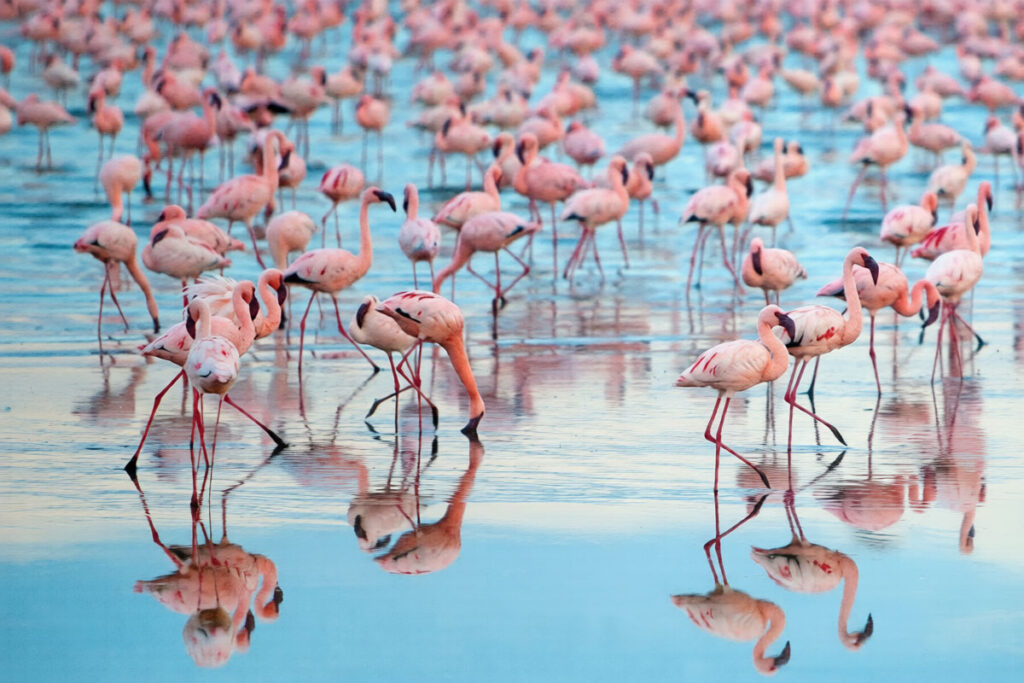
Lake Nakuru National Park stands out for its extraordinary concentration of birdlife, particularly flamingoes that gather along the lake’s shoreline to feed on algae. These birds create a constantly shifting pink ribbon around the lake, offering one of the most photographed wildlife scenes in Africa.
Beyond its birdlife, the park is internationally recognized as a rhino sanctuary, providing one of the safest and most reliable places in Kenya to observe both black and white rhinos in the wild. It is also home to the endangered Rothschild giraffe, which has been successfully conserved within the park.
Another unique feature is the park’s compact size combined with ecological diversity. Within a relatively small area, visitors can experience forests, grasslands, rocky escarpments and lake ecosystems, all supporting a wide range of species. This makes wildlife viewing more efficient and rewarding compared to larger, more dispersed parks.
Why Visit Lake Nakuru National Park?
Lake Nakuru National Park is an ideal safari destination for travelers seeking a rich wildlife experience without long travel distances. Its proximity to Nairobi makes it perfect for weekend getaways, short safaris and first-time visitors to Kenya.
The park offers a balanced mix of birdwatching and wildlife viewing, making it suitable for a wide range of interests. Visitors can enjoy sightings of rhinos, giraffes, buffaloes and flamingoes in a single day, along with stunning views of the Rift Valley escarpment.
Its manageable size also allows for multiple game drives within a short period, increasing the chances of memorable wildlife encounters.
Main Attractions in Lake Nakuru National Park
Lake Nakuru
The lake is the central feature of the park and its most famous attraction. Its shallow, alkaline waters support algae, which attract flamingoes and other water birds. The lake’s surface often shimmers with shades of pink and white as birds gather along the shoreline, creating a breathtaking natural spectacle.
Wildlife
Lake Nakuru National Park is home to a wide variety of animals, including buffaloes, zebras, elands, baboons, warthogs and hippos. The park is especially known for its rhino population, offering one of the best chances in Kenya to see both black and white rhinos.
The presence of Rothschild giraffes further enhances the park’s conservation value and wildlife diversity.
Birdlife
In addition to flamingoes, the park hosts numerous bird species such as pelicans, cormorants, herons and storks. The variety of habitats within the park supports both resident and migratory birds, making it a year-round birdwatching destination.
Fish and Aquatic Life
The lake contains fish species that contribute to the ecological balance and support birdlife and other aquatic animals. These resources help sustain the food chain within the park.
Wildlife in Lake Nakuru National Park
The park supports a diverse range of wildlife, making it one of the most rewarding safari destinations in Kenya. Large herbivores such as buffaloes, zebras, giraffes and antelopes are commonly seen grazing across the grasslands.
Lake Nakuru is particularly important for rhino conservation, with well-protected populations of both black and white rhinos. These animals are often spotted during game drives, making the park a top destination for rhino sightings.
Predators such as lions and leopards are present, though sightings may require patience and experienced guides. Hippos can often be seen near the lake, while smaller mammals like baboons and warthogs are frequently encountered.
Birdwatching in Lake Nakuru National Park
Lake Nakuru is one of Africa’s premier birdwatching destinations, with thousands of birds present throughout the year. Flamingoes are the main attraction but the park also hosts a wide range of water and land birds.
The lake’s ecosystem supports pelicans, cormorants, fish eagles, herons and many other species. During certain seasons, migratory birds increase the diversity, making birdwatching even more rewarding.
Early morning and late afternoon are the best times for birdwatching, when bird activity is at its peak and lighting conditions are ideal for photography.
Top Activities in Lake Nakuru National Park
Game Drives
Game drives are the main activity in the park and offer excellent opportunities to explore its landscapes and wildlife. Morning and afternoon drives allow visitors to observe different animal behaviors and maximize sightings.
Because of the park’s compact size, game drives are highly productive, with frequent encounters of rhinos, giraffes, buffaloes and other species.
Boat Rides
Boat rides on Lake Nakuru provide a peaceful and scenic way to observe flamingoes and other aquatic life. This activity offers a closer look at the lake’s ecosystem and enhances the overall safari experience.
Birdwatching
Birdwatching is one of the most rewarding activities in the park, with opportunities to observe a wide range of species across different habitats.
Scenic Viewpoints and Photography
The park offers several scenic viewpoints, including Baboon Cliff, Lion Hill and the Out of Africa viewpoint. These locations provide panoramic views of the lake, surrounding landscapes and wildlife.
Photographers will find these viewpoints ideal for capturing sunrise and sunset scenes, as well as wide-angle shots of the flamingo-covered shoreline.
Nature Drives and Landscape Exploration
In addition to wildlife-focused drives, visitors can enjoy scenic drives through acacia forests, grasslands and along the lakeshore. These drives provide a deeper appreciation of the park’s landscapes and natural beauty.
Conservation Importance of Lake Nakuru National Park
Lake Nakuru National Park plays a vital role in wildlife conservation in Kenya. It serves as a protected sanctuary for endangered species such as black and white rhinos and Rothschild giraffes.
Efforts to protect these animals have helped stabilize their populations and contribute to broader conservation initiatives in the region. The park also plays an important role in preserving bird habitats, particularly for flamingoes and other water birds.
By maintaining this ecosystem, the park supports biodiversity and ensures that future generations can continue to experience its natural beauty.
Lake Nakuru National Park Entrance Fees and Safari Costs
Visiting Lake Nakuru National Park requires payment of entrance fees set by the Kenya Wildlife Service (KWS). These fees are charged per person per day and are typically valid for 24 hours.
Park Entrance Fees (Per Person Per Day)
- Foreign Non-Residents: Approximately $60 per adult, $35 per child
- Foreign Residents: Approximately $30 per adult, $20 per child
- East African Citizens: Charged in Kenyan Shillings at local resident rates
Additional costs may include vehicle entry fees, accommodation, guide services and optional activities such as boat rides.
Overall safari costs vary depending on the level of accommodation and services selected, ranging from budget-friendly trips to luxury safari experiences.
Accommodation in Lake Nakuru National Park
Lake Nakuru offers a wide range of accommodation options to suit different budgets and preferences. Visitors can choose from luxury lodges, midrange hotels and budget-friendly guesthouses and camps.
Luxury Accommodation
- Claire de Lune Moonlight Hotel
- Kiboko Luxury Camp
- Lake Elmenteita Serena Camp
- Sawela Lodge
Midrange Accommodation
- Sarova Woodlands
- Merica Hotel
- Midland Hotel
Budget Accommodation
- Nuru Palace Hotel
- Marlin Guest Resort
- Legacy Hotel
- Amoh’s Guest House
These options allow visitors to enjoy the park’s beauty while choosing a level of comfort that fits their travel style.
Best Time to Visit Lake Nakuru National Park
Lake Nakuru National Park can be visited year-round, with both wet and dry seasons offering good wildlife viewing opportunities. The dry season generally provides easier access and better visibility, while the wet season brings lush landscapes and increased bird activity.
Flamingo numbers may vary depending on water levels and algae availability but the park remains rich in biodiversity throughout the year.
How to Get to Lake Nakuru National Park
By Road
The park is located approximately 164 kilometers from Nairobi, making it easily accessible by road. The journey takes about 1 to 2 hours and offers scenic views of the Rift Valley.
Main roads are generally in good condition, though the final sections near the park may be rough and unpaved. A 4×4 vehicle is recommended for comfort and reliability, with rental costs typically ranging from $200 to $350 per day, excluding driver allowances.
How Long Should You Stay in Lake Nakuru National Park?
A stay of 1 to 2 days is sufficient to explore the park’s main attractions, including game drives, birdwatching and scenic viewpoints.
For travelers with more time, Lake Nakuru can be combined with nearby destinations such as Lake Naivasha or Maasai Mara to create a longer and more diverse safari itinerary.
Who Should Visit Lake Nakuru National Park?
Lake Nakuru is ideal for birdwatchers, wildlife enthusiasts, photographers, families and travelers looking for a short yet rewarding safari experience.
Its accessibility and compact size make it especially suitable for first-time safari visitors and those with limited time.
Combine Lake Nakuru with Other Safari Destinations
Lake Nakuru can easily be combined with other popular Kenyan safari destinations such as Maasai Mara, Lake Naivasha and Amboseli National Park. These combinations allow travelers to experience different ecosystems, wildlife and landscapes within one itinerary.
Plan Your Lake Nakuru National Park Safari
Planning ahead ensures a smooth and enjoyable safari experience. With its iconic flamingoes, diverse wildlife, scenic landscapes and strong conservation role, Lake Nakuru National Park remains one of Kenya’s top safari destinations.