
Mount Kenya National Park
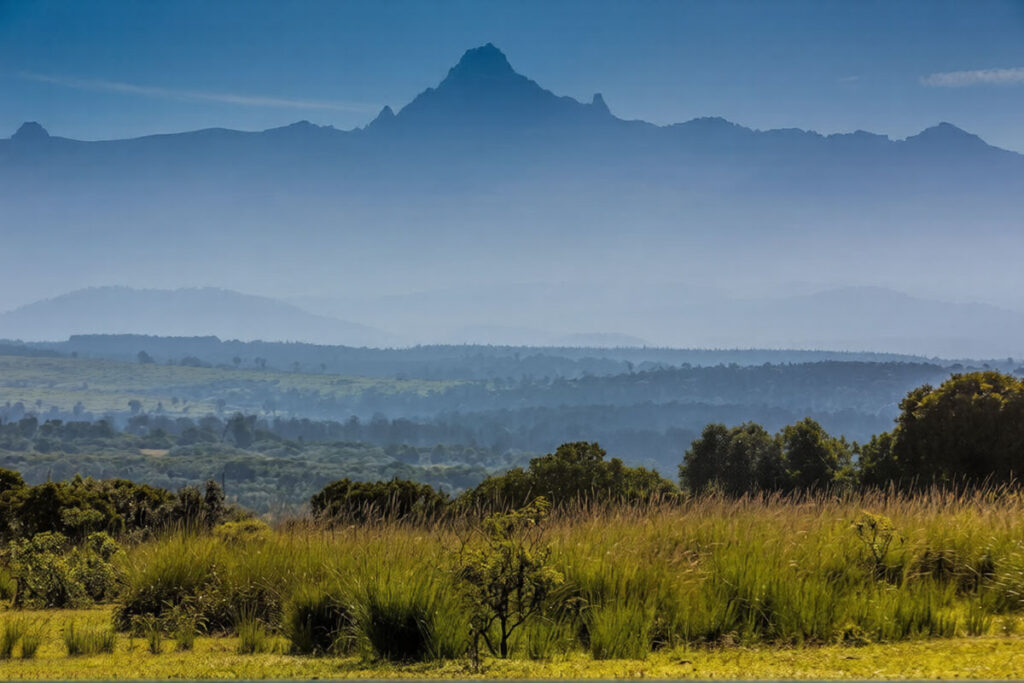
Mount Kenya National Park: Complete Guide to Climbing, Routes, Wildlife, Costs & Travel Tips
Mount Kenya National Park is one of East Africa’s most breathtaking adventure destinations, offering world-class trekking, diverse wildlife and dramatic alpine landscapes. Centered around Mount Kenya—the second-highest mountain in Africa—this UNESCO World Heritage Site combines glaciers, rugged peaks, moorlands and dense forests into a truly unforgettable experience. Located in central Kenya, Mount Kenya National Park is ideal for climbers, hikers, photographers and nature lovers seeking a scenic and less crowded alternative to Mount Kilimanjaro.
Mount Kenya National Park protects the upper slopes of Mount Kenya and is surrounded by a forest reserve that forms an important ecological buffer zone. The park is recognized for its rich biodiversity, unique vegetation zones and vital role as a water catchment area supporting millions of people and wildlife in Kenya.
Location and Accessibility
Mount Kenya National Park is located approximately 175 kilometers northeast of Nairobi and can be reached in about 3 to 4 hours by road. The main access gates—Sirimon, Naro Moru and Chogoria—serve as starting points for different climbing routes. Its proximity to Nairobi makes it one of the most accessible mountain trekking destinations in East Africa.
Landscape and Ecosystem Diversity
The park features a remarkable range of ecosystems that change with altitude. Lower slopes are covered in dense montane forest and bamboo, which transition into giant heather and moorland zones. Higher up, the landscape becomes alpine with rocky terrain, glaciers and snow-capped peaks. This diversity creates one of the most unique mountain environments in Africa.
Mount Kenya: Africa’s Second Highest Mountain
Main Peaks of Mount Kenya
- Batian (5,199 meters): The highest peak, requiring technical rock climbing skills
- Nelion (5,188 meters): A technical climb similar in difficulty to Batian
- Point Lenana (4,985 meters): The most accessible trekking peak and the main goal for most climbers
Point Lenana is the most popular summit for trekkers, offering a non-technical climb with breathtaking sunrise views over the African landscape. Batian and Nelion are reserved for experienced mountaineers.
Mount Kenya Climbing Routes
Sirimon Route
The Sirimon Route is widely regarded as the best route for acclimatization due to its gradual ascent. It offers scenic views of moorlands, valleys and wildlife along the way. This route is ideal for first-time climbers and those seeking a balanced trekking experience.
Naro Moru Route
The Naro Moru Route is the fastest route to Point Lenana and is suitable for climbers with limited time. However, it is steeper and includes the challenging “Vertical Bog,” which can be muddy and physically demanding.
Chogoria Route
The Chogoria Route is considered the most scenic route, featuring waterfalls, alpine lakes and dramatic valleys. Although longer, it offers the most rewarding views and is often used as a descent route after summiting via another route.
Mount Kenya Climbing Experience
What to Expect During the Climb
Climbing Mount Kenya involves trekking through different ecological zones, each offering unique scenery and conditions. Treks typically last between 4 to 6 days, allowing climbers to acclimatize and fully experience the mountain’s beauty.
Daily Trekking Routine
Each day involves several hours of hiking, with breaks for rest and meals. Climbers usually stay in mountain huts or camps, enjoying simple but nourishing meals prepared by the support team.
Summit Experience
Summit attempts usually begin in the early hours of the morning, allowing climbers to reach Point Lenana at sunrise. The experience of watching the sun rise above the clouds, with views stretching across Kenya and beyond, is one of the most memorable moments of the climb.
Mount Kenya Climbing Cost Breakdown
The cost of climbing Mount Kenya varies depending on the route, duration and level of comfort. Most climbing packages include essential services to ensure a safe and enjoyable experience.
- Park Entry Fees: Charged per person per day
- Guide Fees: Professional guides ensure safety and navigation
- Porter Services: Assist in carrying equipment and supplies
- Accommodation: Mountain huts or camping options
- Meals: Provided during the trek
- Transport: Transfers to and from the park
On average, a Mount Kenya climb costs between USD 700 and USD 1,500 per person, depending on the route and level of service.
Mount Kenya Climbing Difficulty and Fitness Level
Difficulty Level
Climbing Mount Kenya to Point Lenana is considered moderately challenging. It requires good physical fitness, endurance and determination but does not require technical climbing skills.
Technical Climbing Peaks
Batian and Nelion require advanced mountaineering experience, including rock climbing skills, ropes and specialized equipment. These peaks are suitable only for experienced climbers.
Fitness Preparation
Preparation is essential for a successful climb. Regular hiking, cardiovascular training, strength exercises and altitude awareness training are recommended before attempting the climb.
Altitude and Acclimatization on Mount Kenya
Altitude is one of the biggest challenges when climbing Mount Kenya, as elevations exceed 4,000 meters.
- Ascend gradually to allow the body to adjust
- Stay well hydrated throughout the trek
- Include acclimatization days in your itinerary
- Be aware of symptoms such as headaches, nausea and fatigue
- Descend immediately if symptoms worsen
Why Choose Mount Kenya Instead of Kilimanjaro?
- Less crowded routes, offering a more peaceful trekking experience
- More diverse landscapes, including forests, moorlands and alpine zones
- Flexible routes with shorter itinerary options
- More affordable climbing costs compared to Kilimanjaro
Wildlife in Mount Kenya National Park
Large Mammals
The lower forest zones are home to elephants, buffaloes, leopards and hyenas. These animals are usually found in the forest reserve areas and may occasionally be spotted during treks.
Unique Mountain Species
The park also hosts unique species such as colobus monkeys, sykes monkeys and the Mount Kenya rock hyrax. These animals are adapted to the mountain’s high-altitude environment.
Birdlife in Mount Kenya National Park
Mount Kenya National Park is home to over 130 bird species, making it an excellent destination for birdwatching.
Birdwatching Highlights
Notable species include Jackson’s francolin, sunbirds, eagles and various forest and alpine birds. Birdwatching is particularly rewarding in the forest and moorland zones.
Top Activities in Mount Kenya National Park
Mountain Climbing and Trekking
The primary activity is climbing Mount Kenya, offering a challenging and rewarding adventure through diverse landscapes.
Nature Walks
Guided nature walks in the lower forest zones allow visitors to explore flora, fauna and smaller wildlife species.
Camping and Photography
The park offers excellent opportunities for camping and photography, especially in scenic areas such as Lake Michaelson and the Gorges Valley.
Accommodation in Mount Kenya National Park
Mountain Huts and Camps
- Old Moses Camp (Sirimon Route)
- Shipton’s Camp
- Met Station (Naro Moru Route)
- Mintos Hut (Chogoria Route)
Lodges Around Mount Kenya
Several lodges and hotels around Mount Kenya provide comfortable accommodation before and after climbs, offering relaxation and scenic views.
Mount Kenya National Park Entry Fees
Park entry fees are charged per person per day and contribute to conservation, park management and infrastructure development. Fees vary depending on residency status and season. According to the latest Kenya Wildlife Service (KWS) conservation fee structure effective from October 2025, the entry fees for Mount Kenya National Park are: (Mount Kenya National Park –)
| Visitor Category | Adult (Per Day) | Child/Student (Per Day) |
|---|---|---|
| East African Citizens | KES 800 | KES 400 |
| Kenya Residents | KES 1,100 | KES 550 |
| African Citizens (Non-EAC) | USD 30 | USD 15 |
| Non-Residents | USD 70 | USD 35 |
These fees are payable for every 24-hour period spent inside the park and help support wildlife conservation, trail maintenance, visitor facilities and environmental protection programs within the park. Fees are subject to change by the Kenya Wildlife Service, so visitors are advised to confirm the latest rates before travel. (Mount Kenya National Park –)
Best Time to Climb Mount Kenya
Dry Seasons
The best time to climb Mount Kenya is during the dry seasons from January to March and June to October, when trails are more accessible and weather conditions are favorable.
Wet Seasons
The rainy seasons from April to May and November can make trekking more challenging due to muddy trails and reduced visibility.
How to Get to Mount Kenya National Park
By Road
Mount Kenya National Park can be reached from Nairobi in approximately 3 to 4 hours by road.
By Air
Charter flights are available to nearby airstrips for quicker access.
Who Should Visit Mount Kenya National Park?
- Adventure travelers and hikers
- Climbers seeking a less crowded alternative to Kilimanjaro
- Nature lovers and photographers
- Travelers interested in mountain ecosystems
What to Pack for Mount Kenya
- Sturdy hiking boots with good grip
- Warm clothing and thermal layers
- Rain jacket and waterproof gear
- Sleeping bag suitable for cold temperatures
- Backpack, water and snacks
Health and Safety Information
- Proper acclimatization is essential to avoid altitude sickness
- Travel insurance is highly recommended
- Follow guide instructions at all times
- Carry necessary personal medication
Final Thoughts
Mount Kenya National Park offers one of the most rewarding trekking experiences in Africa. With its dramatic peaks, diverse ecosystems and rich wildlife, it provides a unique blend of adventure and natural beauty. Whether you are aiming for Point Lenana or exploring the lower forest zones, Mount Kenya promises an unforgettable journey.